
Desserts
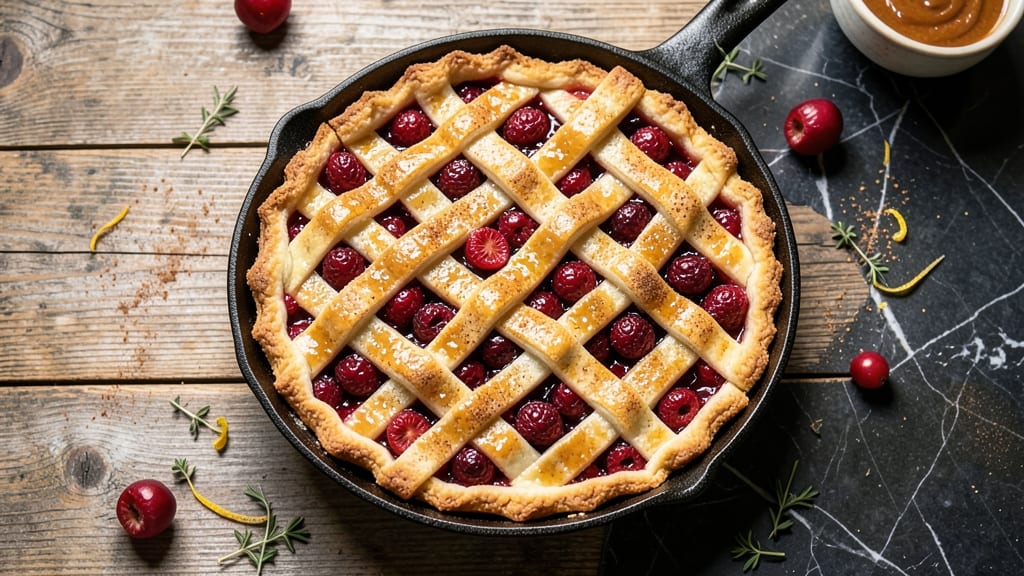
This Amish gooseberry pie recipe brings the heart of Pennsylvania farm country to your kitchen with its rustic crust and perfectly balanced tart-sweet filling. The secret lies in a simple, flaky pastry that encases juicy gooseberries simmered with sugar and spices until they burst with flavor.
I first tried this recipe during a visit to an Amish community, where the pie was served warm with vanilla ice cream—an experience that changed how I approach fruit pies forever.
The beauty of this recipe is in its simplicity and tradition. Unlike many modern pies, there's no need for fancy techniques—just a few basic ingredients and patience as the gooseberries cook down into a thick, fragrant filling.
The crust gets its signature flakiness from cold butter cut into the flour, while the filling's balance of tart gooseberries and sweet sugar creates that perfect harmony Amish bakers are known for.
What you'll end up with is a pie that looks as good as it tastes—golden, bubbling crust with a lattice top that lets the gooseberry aroma escape.
The filling will be thick enough to hold its shape but still juicy in every bite, with just the right amount of cinnamon and lemon zest to brighten the tartness. This is the kind of pie that disappears quickly, leaving everyone asking for seconds.
Perfect for summer fruit season or holiday gatherings, this pie pairs beautifully with whipped cream or a scoop of vanilla ice cream. The recipe makes one 9-inch pie, but the filling can easily be doubled for larger gatherings. Let's get started on creating this classic dessert that tastes like home.
Ingredients for amish gooseberry pie
Classic Amish pie ingredients that honor tradition with every rustic bite.
| Ingredient | Amount | Notes |
|---|---|---|
| Fresh Gooseberries 🍇 | 4 cups | Pitted and halved, organic preferred |
| Granulated Sugar 🍚 | 1 ½ cups | White or light brown |
| All-Purpose Flour 🌾 | 3 ½ cups | Sifted for light texture |
| Unsalted Butter 🧈 | 1 cup | Cold, cubed, European preferred |
| Ice Water 💧 | ½ cup | For dough elasticity |
| Ground Cinnamon 🌿 | 1 tsp | Freshly ground for warmth |
| Lemon Zest 🍋 | 1 tbsp | From organic lemon |
| Salt 🧂 | ½ tsp | Fine sea salt |
| Vanilla Extract 🌸 | ½ tsp | Pure vanilla preferred |
| Cornstarch 🌾 | 1 tbsp | For thickening filling |
| Egg 🥚 | 1 whole | For egg wash |
| Heavy Cream 🥛 | 2 tbsp | For egg wash richness |
Gooseberries are the heart of this pie—organic is best for that authentic Amish flavor. Look for plump, firm berries at local farmers markets or specialty grocery stores like Whole Foods. If you can't find fresh, frozen works in a pinch, but thaw and drain them well. The butter matters too: European-style butter with higher fat content gives that signature flakiness. I always buy mine from Costco in the 4-pound blocks—cheaper and lasts longer. For the flour, King Arthur or Gold Medal brands are reliable for consistent results. The cinnamon should be freshly ground if possible, but store-bought works fine if it's labeled 'ground cinnamon' (not the cassia variety).
No gooseberries? Red currants or blackberries work well as substitutes, though the flavor will differ slightly. Running short on butter? Vegetable shortening gives a similar flaky texture, though the flavor won't be as rich. For the sugar, turbinado or demerara adds nice texture contrasts if you're feeling adventurous. The lemon zest can be substituted with 1 tsp bottled lemon juice if you don't have fresh lemons, though it won't have the same bright aroma. If you're making the filling ahead, the cornstarch can be doubled to 2 tbsp for extra thickness, but reduce the sugar slightly to balance. The vanilla extract is non-negotiable—imitation vanilla will ruin the traditional flavor profile.
The gooseberries and sugar can be combined up to 24 hours ahead and refrigerated, though the filling is best used fresh. The dough should be wrapped in plastic and chilled for at least 2 hours before rolling—this is crucial for that perfect flaky texture. Leftover pie crust can be frozen for up to 3 months by wrapping tightly in plastic wrap and aluminum foil. The finished pie keeps well at room temperature for 2 days or refrigerated for 4 days. For best flavor, serve warm with vanilla ice cream or whipped cream—just like they do in Pennsylvania Amish country.
Why You'll Love This Recipe
- No-Fuss Filling: I swear by the simplicity of this pie—just toss halved gooseberries with sugar and a splash of water, then bake. No fancy techniques, no overcomplicating it, and the berries practically melt into a luscious, tangy-sweet center.
- Tart-Sweet Magic: That perfect balance? The gooseberries’ bright acidity cuts through the buttery crust, while the sugar caramelizes just enough to make every bite irresistible. Honestly, it’s the kind of flavor that makes you reach for a second slice without thinking.
- Summer Picnic Ready: Between us, this pie travels like a dream—no soggy bottoms, no messy spills. Pack it in a basket with some crusty bread, and you’ve got a showstopper for potlucks, church gatherings, or even a lazy afternoon in the yard.
- Budget-Friendly Staples: Five ingredients, all pantry-friendly except the gooseberries, which you can often find cheap at farmers' markets. (Yes, even on a Tuesday night.) The crust uses basic flour and butter, so it’s a no-waste, wallet-friendly dessert that still feels special.
Step-by-step instructions for Amish gooseberry pie
This classic Amish recipe delivers a flaky crust and perfectly balanced tart-sweet filling every time.
Prepare the Gooseberry Filling
In a large mixing bowl, combine the 4 cups fresh gooseberries (pitted and halved) with 1.5 cups granulated sugar, 1 tbsp lemon zest, 1 tbsp cornstarch, 1 tsp ground cinnamon, and 0.5 tsp salt. Gently stir until the sugar begins to dissolve and the mixture becomes evenly coated. This step ensures the filling will thicken properly during baking.
Transfer the mixture to a medium saucepan and cook over medium heat for 8-10 minutes, stirring frequently, until the gooseberries soften and the filling thickens to a jam-like consistency. The filling should coat the back of a spoon when you lift it. If it thickens too quickly, add 1-2 tablespoons of ice water to maintain the right texture. Remove from heat and stir in the 0.5 tsp vanilla extract. Let the filling cool completely before assembling the pie—this prevents a soggy crust.
Make the Rustic Pie Crust
In a large bowl, combine the 3.5 cups all-purpose flour and 0.5 tsp salt. Cut in the 1 cup unsalted butter (cold and cubed) using a pastry cutter or your fingers until the mixture resembles coarse crumbs with pea-sized butter pieces. This texture is crucial for achieving a flaky crust.
Gradually add the 0.5 cup ice water, 1 tablespoon at a time, mixing gently with a fork until the dough just comes together. Avoid overmixing—this develops gluten and makes the crust tough. Form the dough into a disk, wrap it in plastic, and refrigerate for at least 1 hour. Chilling relaxes the gluten and makes rolling easier.
Assemble the Pie
Preheat your oven to 375°F. On a lightly floured surface, roll out the chilled dough into a 12-inch circle (about 1/8-inch thick). Transfer it to a 9-inch pie dish, gently pressing it into the bottom and sides. Trim any excess dough, leaving a 1/2-inch overhang. Fold the overhang under itself to create a neat edge.
Pour the cooled gooseberry filling into the crust, spreading it evenly. In a small bowl, whisk together the 1 whole egg and 2 tbsp heavy cream to create the egg wash. Brush the egg wash over the crust's edges and sides, then crimp them decoratively with your fingers or a fork. This creates a beautiful finish and ensures a golden-brown crust.
Bake to Golden Perfection
Place the pie on a baking sheet (to catch any drips) and bake for 45-50 minutes until the crust is deep golden brown and the filling bubbles gently. The pie is done when the filling is thick and the crust is fully set—no jiggling should occur when you gently shake the pie dish.
Remove the pie from the oven and let it cool on a wire rack for at least 2 hours before slicing. This resting period allows the filling to set completely and prevents it from running when you serve it. The crust will firm up as it cools, and the gooseberries will release their fragrant aroma—worth every minute of waiting!
Pro Tips For Making Amish Gooseberry Pie
- STRAIN THOSE BERRIES: Gooseberries are stubborn—don’t skip straining the cooked filling. After simmering, press the mixture through a fine-mesh sieve to remove seeds and skins, or you’ll get a gritty texture that ruins the silky smoothness. (I learned this the hard way after biting into a pie that tasted like I’d eaten a handful of tiny rocks.)
- CHILL THE DOUGH: Roll out the pie crust cold—literally. Wrap the dough in plastic and refrigerate for at least 30 minutes before cutting it into circles. Warm dough shrinks like a scared cat, and you’ll end up with a lumpy, uneven pie. Trust the process, even if you’re impatient like me.
- WEIGHT DOWN THE CRUST: Before baking, sprinkle dried beans or pie weights over the bottom crust. No weights? Use a second pie plate or even a bag of rice—just don’t skip this step. Without weight, the crust will puff up like a sad soufflé and collapse halfway through baking. (Your future self will thank you.)
- SWEAT THE BERRIES FIRST: Toss raw gooseberries with sugar and let them sit for 20 minutes before cooking. This draws out their juices, so when you simmer them, you won’t end up with a watery filling. I was skeptical until I tried it—now it’s non-negotiable.
Essential equipment for this recipe
Pie Dish Essentials
The heart of any great pie starts with the right equipment. For this Amish gooseberry pie, I recommend a 9-inch deep-dish pie plate—I use a Corelle stoneware pie dish because it distributes heat evenly and creates that perfect golden crust.
If you don’t have stoneware, a ceramic or glass pie dish works just as well. Avoid metal pans—they can make the crust too crispy too quickly. 🥧
Rolling Pin & Dough Tools
A wooden rolling pin is my top choice for pie crusts—it prevents sticking and gives you better control. I love the OXO Good Grips model because it’s lightweight yet sturdy. For shaping the dough, keep a pastry brush and dough scraper handy.
The brush helps with egg wash application, while the scraper makes trimming excess dough clean and easy. A bench scraper also works well for lifting and transferring the dough.
Mixing & Measuring
Precision matters when balancing tart and sweet flavors. Use a stainless steel mixing bowl (I prefer Farberware) for combining ingredients—it won’t absorb odors like plastic.
For measuring, a liquid measuring cup with spouts makes pouring sugar and water effortless, while a dry measuring cup set ensures accurate flour and cornstarch measurements. A microplane for lemon zest and a fine-mesh sieve for sifting flour are small but game-changing tools for this recipe.
Baking & Cooling
Baking sheets are essential for catching any filling drips—opt for a half-sheet pan lined with parchment paper. I also recommend a pie cooling rack to elevate the pie after baking, which prevents sogginess. For checking doneness, a pie crust thermometer inserted into the filling ensures it reaches 200°F without overbaking.
A pastry wheel comes in handy for creating decorative lattice tops if you want to get fancy with your presentation.
Optional Upgrades
If you love lattice tops, a pie bird tool makes cutting strips and weaving them effortlessly. For extra flakiness, I sometimes use a pie weights set to blind-bake the crust if I’m making the filling ahead of time.
A stand mixer with a dough hook (like the KitchenAid Artisan) can also save time when combining dough ingredients, though hand-mixing works just as well for this rustic recipe. 💫
Nutrition facts
Frequently asked questions
Can I substitute gooseberries in this Amish pie?
Yes, you can use red currants or blackberries as substitutes, though the flavor will differ slightly. For best results, adjust the sugar to 1.25 cups if using blackberries (they're sweeter) or keep it at 1.5 cups for currants. The texture will be slightly different but still delicious!
Why does my pie crust turn out tough instead of flaky?
Overmixing the dough or using warm butter are the most common culprits. Keep your butter cold and cut it into the flour until you have pea-sized pieces, then add ice water gradually. Also, avoid overworking the dough—just mix until it comes together. Chilling the dough for at least 1 hour before rolling is crucial too!
How do I make a lattice top for my pie?
Roll out the remaining dough to 1/8-inch thickness, then cut into 1-inch strips using a sharp knife or pastry wheel. Weave them over the filling in a classic lattice pattern, alternating directions every other strip. Brush with egg wash for a golden finish. No fancy tools needed—just patience!
Can I make this pie ahead of time?
The filling can be made 1 day ahead and refrigerated, while the crust can be prepped 2 days ahead and frozen. Assemble the pie 4 hours before baking to let flavors meld. For best results, serve it warm after reheating at 350°F for 15 minutes—just enough to warm through!
What's the secret to balancing tart and sweet flavors?
The key is in the gooseberry-to-sugar ratio and cooking time. Start with 1.5 cups sugar for 4 cups gooseberries, then taste after 8 minutes of cooking. Adjust with 1 tsp more sugar if needed. The lemon zest and cinnamon also brighten the tartness naturally. Trust your taste buds—Amish bakers always do!