
Desserts
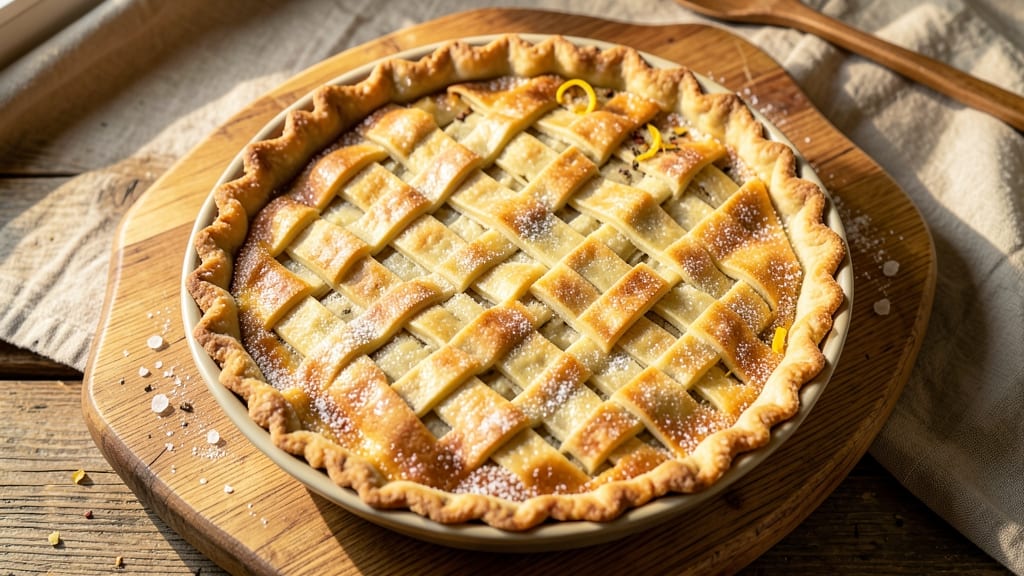
This salt-free pie crust recipe delivers all the flaky perfection of traditional crust without a single grain of salt—proving you don’t need salt to create layers that practically melt in your mouth.
The secret lies in balancing unsalted butter, high-protein flour, and ice water for that signature tender yet crisp texture, all while keeping the health-conscious focus intact.
What makes this crust truly special is how it achieves restaurant-quality flakiness using only five simple ingredients—no shortcuts, no substitutions, just pure technique. The key is working quickly with cold butter and handling the dough minimally to prevent gluten development, which keeps those delicate layers intact.
Even those watching their sodium intake will be amazed at how rich and satisfying each bite tastes.
Once baked, this crust emerges golden and shatteringly crisp around the edges while remaining tender inside—a perfect canvas for your favorite pie fillings.
Whether you're making a classic apple pie, a rich chocolate cream pie, or even savory options like spinach and cheese, this foundation ensures your dessert will shine without compromising on flavor or texture.
The best part? This recipe scales effortlessly for any pie size, and optional variations like gluten-free flour or herb-infused butter open up endless possibilities. Let’s get started on a crust that proves flavor doesn’t need salt to stand out.
Ingredients for salt free pie crust
Five ingredients, zero salt, maximum flakiness—this is your flaky foundation.
| Ingredient | Amount | Notes |
|---|---|---|
| Unsalted Butter 🧈 | 1 cup | Cold, cubed for flakiness |
| All-Purpose Flour 🌾 | 2 ½ cups | High-protein preferred |
| Ice Water 💧 | ½ cup | Chilled for crisp texture |
| Granulated Sugar 🍚 | 2 tbsp | Balances richness |
| Diamond Crystal Kosher Salt 🧂 | ¼ tsp | Optional for dough handling |
The butter is non-negotiable here—European-style unsalted butter like Plugrá or Kerrygold melts beautifully for those signature layers. Grab it from the dairy section, not the baking aisle, and keep it stone-cold until you're ready to cut it into cubes. High-protein flour (12-14% protein) is key for structure—King Arthur or Gold Medal are my go-tos. If you're using pre-sifted flour, skip the sifting step; if it's bulk flour, sift it once to avoid dense pockets. The ice water? Freeze it in ice cube trays for easy measuring—just pop out what you need.
No sugar? Maple syrup or honey work in a pinch (reduce by half), but sugar's caramelization helps with browning. Short on kosher salt? Diamond Crystal is twice as salty as Morton, so halve the amount if using table salt—but remember, this is technically optional for the crust itself. The real secret weapon is the ice water: it keeps the butter from melting too soon and creates steam for lift. If you don't have ice cubes, chilled water in the freezer for 10 minutes works too. For gluten-free versions, swap the flour for a 1:1 gluten-free blend like Bob's Red Mill, but expect slightly less flakiness.
This dough is best used immediately, but you can wrap it tightly in plastic and refrigerate for up to 2 days—no need to thaw before rolling. For longer storage, freeze the dough disc wrapped in parchment and plastic for up to 3 months. Thaw in the fridge overnight before using. Pro tip: Roll the dough between two sheets of parchment to avoid sticking, and keep it as cold as possible—even the heat from your hands can soften it. The crust reheats beautifully too, so bake extras for quick pie nights later.
Why You'll Love This Recipe
- You’re using pantry basics: flour, butter, and a tiny bit of sugar. No specialty ingredients, no markup—just reliable, cost-effective baking. And leftovers? Freeze half the dough for next month’s dessert emergency.
- No-Fuss Assembly: I swear by this crust because it’s three ingredients plus ice water—no food processor, no overworking the dough. Just cold butter, flour, and a splash of water until it holds together. Honestly, I’ve made it while chatting on the phone.
- Butter-Sugar Magic: That pinch of sugar in the dough? It’s not just sweet—it caramelizes just enough to give the crust a subtle depth. And the cold butter? Flaky layers that melt into pure satisfaction with every bite. (Yes, even on a Tuesday night.)
- Crowd-Pleasing Base: This crust works for savory galettes, sweet apple pies, or even a quiche when you’re short on time. My kids ask for seconds, and my partner doesn’t even notice it’s salt-free—it’s that universally good.
Step-by-step instructions for salt-free pie crust
Here's how to create a perfectly flaky crust without any salt—it's all about technique, not seasoning.
Cut and Chill the Unsalted Butter
Take the 1 cup unsalted butter and cut it into ¼-inch cubes using a sharp chef's knife. Place the cubes in a single layer on a parchment-lined baking sheet. Freeze for 15 minutes—this ensures they stay firm during mixing and creates those signature flaky layers.
I like to use a plastic wrap trick here: press the cubes into a flat disc shape before freezing. This makes it easier to handle when you're ready to mix with the flour. The cold butter is the secret to flakiness, so don't skip this chilling step—warm butter leads to tough, greasy crusts.
Mix Dry Ingredients and Incorporate Cold Butter
In a large bowl, whisk together the 2.5 cups all-purpose flour and 2 tbsp granulated sugar until evenly combined. Add the 0.25 tsp diamond crystal kosher salt (even though this is a salt-free recipe, the tiny amount helps with dough handling—trust me, it disappears in the final product).
Using your fingers or a pastry cutter, work the cold butter cubes into the flour mixture until you reach a crumbly texture with pea-sized butter pieces remaining. Overmixing develops gluten, so stop as soon as the mixture comes together. This texture is crucial—it ensures maximum flakiness when baked.
Add Ice Water Gradually
Measure out the 0.5 cup ice water into a small pitcher or measuring cup. Begin adding the ice water 1 tablespoon at a time to the flour-butter mixture, gently stirring with a fork or wooden spoon after each addition. The dough will start to clump together—this is normal.
Here's the thing—you want the dough to hold together when pressed, but not be sticky. If it's too dry, add another tablespoon of ice water. If it's too wet, sprinkle in a little more flour. The goal is a cohesive but not sticky dough that can be shaped easily. Ice water prevents shrinking during baking, so don't substitute with room-temperature water.
Shape and Chill the Dough
Turn the dough onto a lightly floured surface and gently shape it into a 1-inch thick disc. Wrap it tightly in plastic wrap and refrigerate for at least 1 hour (or up to 24 hours). This resting period relaxes the gluten and allows the flour to fully hydrate, resulting in a more tender crust.
Don't skip this chilling step—it's what transforms good crust into great crust. The cold dough is easier to roll out and less likely to shrink in the pie dish. I like to press the dough into a flat disc shape before wrapping to make rolling it out later even easier.
Roll and Fit the Crust
Remove the dough from the refrigerator and let it sit at room temperature for 5-10 minutes to soften slightly. On a lightly floured surface, roll the dough into a 12-inch circle (about ⅛-inch thick). If the dough cracks, simply press it back together—this is normal and doesn't affect the final texture.
Carefully transfer the rolled-out crust to your pie dish, letting it gently drape over the edges. Trim any excess dough hanging over the rim. For a classic look, crimp the edges using your fingers or a fork. The crust should fit snugly in the dish without tearing—if it's too large, gently stretch it as you transfer it.
Pro Tips For Making Salt Free Pie Crust
- Chill the Butter First: I learned this the hard way—cutting cold unsalted butter into flour at room temperature makes the crust greasy and hard to handle. Pop that butter in the fridge for 20 minutes before starting, or even better, freeze it for 10. Trust me, your crust will thank you when it flakes perfectly instead of turning into a sad, dense brick.
- Use Ice Water Sparingly: Too much ice water makes the crust tough, but too little and it won’t hold together. Start with 4-5 tablespoons and add just 1 tablespoon at a time—you want the dough to come together without getting sticky or dry. If it’s still crumbly, add a tiny bit more, but resist the urge to overdo it.
- Skip the Overmixing: I used to think more mixing meant a better crust, but that’s how you end up with a chewy, dense mess. Once the flour and butter are combined, stop when you see pea-sized crumbs. Just press the ice water in lightly with your fingers—no kneading, no punching, just gentle coaxing. The less you handle it, the flakier it’ll be.
- Rest the Dough Twice: First, let the dough rest in the fridge for at least 30 minutes before rolling. Then, after shaping, give it another 15-20 minutes under a damp towel. This relaxes the gluten and prevents shrinking when it bakes. (Yes, even if you’re impatient like me—this isn’t optional.)
Best sauces and condiments for this recipe
Sweet Fillings
This salt-free crust pairs beautifully with classic sweet fillings that naturally balance its buttery richness. Try a spiced apple filling with 1 cup diced Granny Smith apples, 2 tbsp brown sugar, 1 tsp cinnamon, and 1 tbsp lemon juice—the tartness cuts through the crust's richness.
For a decadent option, a chocolate cream pie with 12 oz dark chocolate and 1 cup heavy cream creates a perfect contrast without needing salt for flavor. 🍫
Savory Pairings
Don’t limit this crust to desserts! It works wonderfully with savory fillings too. A spinach and cheese quiche with 2 cups chopped spinach, 1 cup shredded sharp cheddar, and 4 eggs shines thanks to the crust’s crisp texture.
For a heartier option, try a shrimp and herb filling with 1 lb cooked shrimp, 2 tbsp chopped chives, and ½ cup cream cheese—the crust’s buttery flavor complements the seafood beautifully. 🍤
Fruit Compotes
Brighten the crust with fruit compotes that add natural sweetness and acidity. A berry compote made from 2 cups mixed berries, 2 tbsp honey, and 1 tsp cornstarch thickened to a jam-like consistency is a game-changer.
For something more exotic, a mango and passionfruit compote with 1 cup diced mango and 2 tbsp passionfruit pulp adds tropical flair. These pairings let the crust’s flavor shine while keeping the dish light and refreshing. 🍓
Creamy Toppings
Elevate your pie with creamy toppings that contrast the crust’s crispness. A vanilla bean custard made with 2 cups heavy cream, 4 egg yolks, and ½ cup sugar adds a luxurious touch.
For a lighter option, a whipped coconut cream with 1 can coconut cream chilled overnight and whipped with 1 tbsp powdered sugar provides a tropical twist. These toppings enhance the crust’s buttery notes without overpowering them. 🥥
Herb-Infused Butter
For an extra layer of flavor, brush the baked crust with herb-infused butter. Melt 2 tbsp unsalted butter with 1 tbsp chopped fresh rosemary or thyme and a pinch of black pepper, then spread it over the crust before adding your filling.
This adds an aromatic depth that pairs especially well with savory pies** like mushroom or chicken pot pies. The herbs complement the crust’s natural richness without needing salt. 🌿
Nutrition facts
Frequently asked questions
Can I make this crust without sugar if I'm watching my carbs?
Yes! Omit the sugar entirely or substitute with 1 tbsp maple syrup or honey (reduce other liquids by 1 tbsp to maintain texture). The crust will be slightly less golden but still flaky. For extra richness, add 1 tbsp cream cheese to the dough—it adds moisture and depth without sugar.
Why does my salt-free crust turn out tough instead of flaky?
This usually happens when butter melts too soon or gluten develops from overmixing. Keep everything ice cold, work quickly, and handle the dough minimally. Use a pastry cutter instead of fingers to incorporate butter, and avoid kneading. If the dough feels sticky, add just 1 tsp more flour—never water.
Can I use this crust for deep-dish pies?
For deep-dish pies, chill the dough for 2 hours before rolling, and roll it ⅛-inch thick to prevent shrinking. Press it firmly into the dish and pre-bake for 10 minutes at 375°F before adding filling. The extra chill time prevents cracking during baking.
What's the best way to store leftover crust?
Wrap baked crust tightly in plastic wrap and store at room temperature for 3 days, or freeze for up to 3 months. To reheat, bake at 350°F for 5-7 minutes until crisp. For unbaked dough, refrigerate for up to 2 days or freeze for 3 months—thaw in the fridge overnight.
Is this crust safe for people with gluten sensitivities?
Not traditionally, but you can adapt it! Replace all-purpose flour with a 1:1 gluten-free blend like Bob's Red Mill and add ½ tsp xanthan gum to improve texture. Expect slightly less flakiness, but it'll still hold together beautifully. Chill the dough 30 minutes extra for best results.