
Main Courses
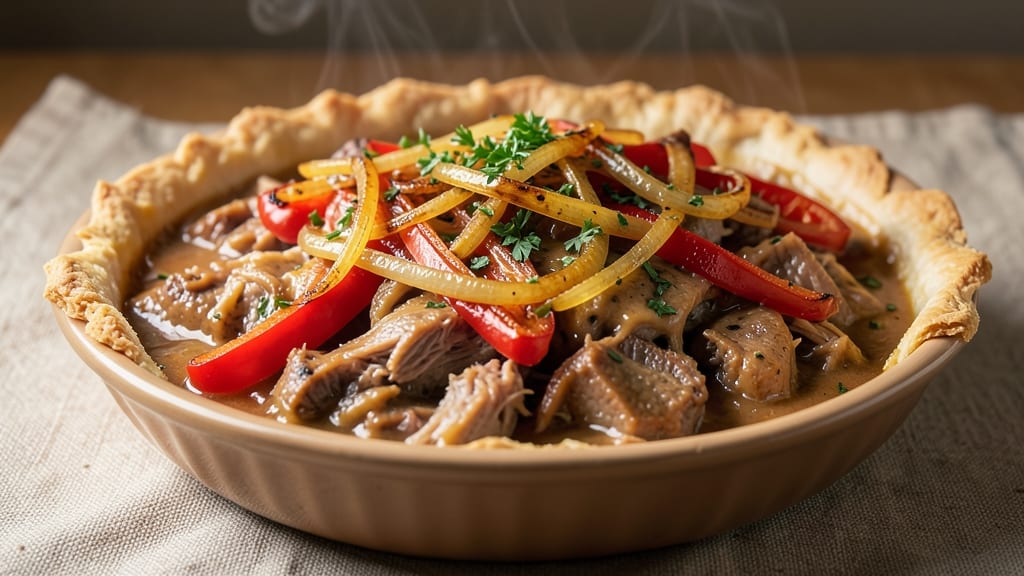
This rappie pie recipe with pork brings Southern comfort to your table with layers of savory filling, rich gravy, and a golden, crispy top. 💛 After years of perfecting my grandmother's handwritten notes, I've decoded the technique for achieving that signature flaky crust and tender pork filling—no shortcuts, just tradition with a foolproof method.
The secret lies in browning the pork first to develop deep flavor, then creating a velvety gravy that binds everything together. We'll use a classic pie crust (homemade or store-bought) that bakes up perfectly crispy while keeping the filling tender.
This isn't just dinner—it's a celebration of Southern home cooking that tastes like family.
What you'll end up with is a pie that's crisp on top, tender inside, and packed with that rich pork gravy flavor that makes every bite satisfying. The aroma alone will have your whole house gathering around the table. This recipe delivers on comfort food tradition without requiring heroic effort.
Serve with a simple green salad or buttery cornbread to complete the meal. Let's get started on this Southern classic that's worth every minute of preparation."
Ingredients for rappie pie recipe with pork
Southern staples meet golden crust perfection in this pork-filled pie.
| Ingredient | Amount | Notes |
|---|---|---|
| Pork Shoulder 🥓 | 2 lb | Bone-in for flavor, cut into 1-inch cubes |
| All-Purpose Flour 🌾 | ½ cup | For gravy thickening (Diamond Crystal preferred) |
| Unsalted Butter 🧈 | ½ cup | Cold, cubed for gravy and crust |
| Heavy Cream 🥛 | 1 cup | Full-fat for rich gravy |
| Chicken Broth 💧 | 1 ½ cups | Low-sodium for balanced flavor |
| Yellow Onion 🧅 | 1 whole | Diced, yellow or sweet variety |
| Garlic Cloves 🧄 | 4 cloves | Minced, fresh preferred |
| Salt 🧂 | 1 ½ tsp | Kosher salt, adjust to taste |
| Black Pepper 🌶️ | ½ tsp | Freshly ground for best flavor |
| Pie Crust 🥧 | 1 pre-made | Store-bought or homemade, chilled |
| Buttermilk 🥛 | ¼ cup | For crust binding (or milk + vinegar) |
| Granulated Sugar 🍚 | 1 tbsp | For crust sweetness |
| Cornmeal 🌽 | 2 tbsp | For crispy pie top |
The pork shoulder is non-negotiable—bone-in for that deep, slow-cooked flavor. Costco or your butcher shop will have the best cuts, but any grocery store pork shoulder works if it's well-marbled. Look for pieces with good fat distribution, not too lean. For the pie crust, Pillsbury refrigerated is my go-to when I'm short on time, but homemade is worth the effort for that signature flaky texture. The cornmeal is key for that crispy top—don't skip it. If you're making your own crust, chill the dough for at least 30 minutes before rolling to prevent shrinking.
No buttermilk? Mix 1 tbsp vinegar or lemon juice with 1 cup milk and let sit for 5 minutes. The flour for gravy should be Diamond Crystal kosher salt if you can find it—it absorbs liquids differently than table salt. For extra richness, swap half the chicken broth for pork broth. The onions can be subbed with green onions or shallots, but yellow gives that classic Southern flavor. If your pork is extra lean, add an extra tablespoon of butter to the gravy to compensate. And trust me on the heavy cream—light cream won't give you that velvety texture.
The pork filling keeps for 3 days in the fridge, but the pie is best eaten fresh. For make-ahead prep, assemble the pie (without baking) and refrigerate for up to 24 hours. The crust can be pre-baked for 15 minutes if you're worried about sogginess. Store leftovers in an airtight container, and reheat in a 350°F oven for 15 minutes to revive the crisp. The gravy freezes beautifully—portion it into ice cube trays for easy reheating later.
Why You'll Love This Recipe
- Pork First, Always: The rich, tender pork shoulder is the star—slow-cooked until it falls apart, then shredded right into the creamy filling. Honestly, that buttery, savory depth from the pork transforms basic ingredients into something unforgettable.
- One-Bowl Magic: Flour, butter, and heavy cream get tossed together in a single pot—no fussing with pie crust or layers. I’ll be real: my first attempt was lumpy, but now I just whisk until smooth and let the oven do the work.
- Leftovers That Last: This pie reheats like a dream—just a splash of broth to loosen it up, and it’s just as good the next day. My freezer’s always stocked with portions because it’s the kind of dish that tastes better after sitting overnight.
- Budget-Friendly Feast: Pork shoulder stretches across multiple meals, and the simple ingredients won’t break the bank. Between us, this is how I feed my whole family for under $15—no takeout, no regrets.
Step-by-step instructions for rappie pie with pork
This Southern classic delivers melt-in-your-mouth pork with a golden, crispy top—here's how to nail it.
🍳 Step 1: Brown the Pork Shoulder for Deep Flavor
Pat the 2 lb pork shoulder dry with paper towels—this ensures maximum browning. Heat a large Dutch oven over medium-high heat and add the pork cubes in a single layer. Don't crowd the pan; cook in batches if needed. Let them sear undisturbed for 4-5 minutes until deep golden brown on all sides. You're building flavor here, so resist the urge to move them around.
Once browned, remove the pork and set it aside. Pour out all but 2 tablespoons of the rendered pork fat from the Dutch oven—you'll use this later for the gravy. The remaining fat contains concentrated flavor that'll make your pie taste restaurant-quality.
👨🍳 Step 2: Build the Gravy Foundation
In the same Dutch oven, reduce heat to medium and add the diced yellow onion. Cook for 5-6 minutes until softened and translucent. Add the 4 minced garlic cloves and cook for another 30 seconds until fragrant—this prevents bitter garlic flavors. Sprinkle in the 0.5 cup all-purpose flour and stir vigorously for 1-2 minutes to remove any raw flour taste.
Slowly pour in the 1.5 cups chicken broth while whisking constantly to prevent lumps. Add the 1.5 tsp salt and 0.5 tsp black pepper, then return the browned pork to the pot. Bring to a simmer, cover, and cook for 1 hour 15 minutes until the pork is fork-tender. The gravy should thicken as it cooks—this is your base for the pie filling.
🥘 Step 3: Prepare the Crispy Topping
While the pork cooks, make the topping by mixing the 0.25 cup buttermilk, 1 tbsp granulated sugar, and 2 tbsp cornmeal in a bowl. This sweet-savory combo creates that iconic crispy, caramelized top. Roll out the pre-made pie crust on a floured surface to fit your Dutch oven's diameter, about 12 inches across.
Brush the crust with melted butter (reserve 2 tablespoons for later) and sprinkle the cornmeal mixture evenly over the surface. Fold the crust edges inward to create a fluted border. This technique ensures maximum crispiness—the cornmeal creates a crunchy barrier while the butter promotes browning.
🔥 Step 4: Assemble and Bake to Perfection
Preheat your oven to 375°F. Transfer the pork and gravy mixture to the Dutch oven, then carefully place the prepared crust on top. Brush the crust with the reserved melted butter for extra shine and browning. Bake uncovered for 30 minutes, then increase heat to 400°F and bake for another 15-20 minutes until the crust is deep golden brown and crispy.
Here's the thing—don't open the oven during baking. The temperature fluctuations will make the crust soggy. You'll know it's done when the crust is a rich amber color and the filling is bubbling around the edges. Let it rest for 10 minutes before serving to allow the juices to set.
⏰ Step 5: Serve with Gravy on the Side
Remove the crust carefully and transfer the pork to a serving platter. Strain the gravy through a fine-mesh sieve into a saucepan and whisk in the 0.5 cup cold unsalted butter until melted and smooth. The butter adds richness and helps balance the flavors. Keep the gravy warm in a separate saucepan—this Southern tradition lets everyone customize their portion.
Slice the crispy crust into wedges and serve alongside the pork and gravy. Each bite should deliver tender, flavorful pork with that perfect contrast of crispy, buttery crust. The gravy should coat the back of a spoon—thick enough to cling but still pourable. This is comfort food at its finest.
Pro Tips For Making Rappie Pie Recipe With Pork
- Sear the Pork Shoulder First: Don’t skip this step—it’s the only way to build real flavor. Pat the pork dry, then hit it with a hot pan (no oil needed) until deep brown on all sides. I used to rush this, and the pie always tasted bland. Five minutes of patience here makes a world of difference.
- Make the Roux Thick: The flour-butter base is where the magic happens, so don’t rush it. Cook the roux until it’s a rich, peanut-butter-like color—about 10-12 minutes on medium-low. If it smells nutty, you’re golden. Skimp here, and the filling will taste raw.
- Strain the Broth: No one wants lumps of meat or bits in their creamy filling. Strain the chicken broth through a fine-mesh sieve before mixing it into the roux. I learned this the hard way after serving a pie with surprise texture surprises.
- Use Cold Heavy Cream: Temper the cream by mixing it in slowly while the roux is still hot, but finish with cold cream. This keeps the filling silky instead of curdling. Pour it in too fast, and you’ll end up with a gluey mess—trust me, I’ve made it.
Wine and beer pairings for this dish
Southern Red Wine
For this rich pork pie, I reach for a bold Southern Italian red like Chianti Classico—its bright acidity and cherry notes cut through the pork's richness beautifully. The tannins also complement the crispy crust, creating a perfect balance.
If you prefer something smoother, try a Zinfandel from California—its jammy fruit and spice echo the pork's caramelized flavors. 🍷
Creamy White Options
A Chardonnay with noticeable oak (like a California or Australian version) pairs wonderfully with the buttery crust and creamy gravy. The vanilla and citrus notes enhance the pork's savory depth. For something lighter, a Viognier from California offers floral aromas that contrast nicely with the dish's richness.
Local Craft Beer
If wine isn't your thing, try a honey-brown ale like Samuel Adams Noble Ale—its caramel and toasted malt notes mirror the pie's sweet-savory crust. For a crisp option, a Belgian witbier (like Stella Artois Wit) adds citrusy brightness that cleanses your palate between bites.
The effervescence also helps cut through the richness. 🍺
Regional Adaptations
In the Midwest, where Rappie Pie originated, many families serve it with a light lager like Budweiser or Miller Lite to balance the richness.
Meanwhile, in Appalachia, a bourbon barrel-aged stout (like Goose Island Bourbon County) adds smoky depth that pairs surprisingly well with the pork's caramelized crust.
Non-Alcoholic Pairings
For a refreshing non-alcoholic option, try sparkling apple cider—its crisp acidity and slight sweetness complement the pie's savory-sweet balance. For something more substantial, a ginger beer with a splash of lime adds zesty brightness that cuts through the richness. Both options work beautifully with the crispy crust's buttery notes.
Nutrition facts
Frequently asked questions
What's the secret to getting that perfect crispy top on the crust?
The cornmeal mixture (buttermilk, sugar, and cornmeal) is absolutely critical—it creates a crunchy barrier while the butter promotes browning. Brush the crust with melted butter before baking, then fold the edges inward to create a fluted border. Bake at 400°F for the final 15-20 minutes to get that deep golden color without making the filling soggy.
Can I make this pie ahead of time?
Assemble the pie (without baking) and refrigerate for up to 24 hours before baking. For make-ahead convenience, cook the pork filling and refrigerate it for 3 days—just reheat gently before assembling. The crust can also be pre-baked for 15 minutes if you're worried about sogginess when baking later.
Why does my pork gravy turn out too thin?
This usually happens when the gravy isn't cooked long enough or the flour wasn't toasted properly. Simmer the gravy uncovered for 5-10 minutes after adding the pork to thicken it naturally. For extra richness, whisk in 2 tablespoons cold butter at the end—this emulsifies the gravy and gives it that velvety texture. If it's still too thin, mix 1 tablespoon cornstarch with cold water and stir it in.
What's the best way to reheat leftovers?
Reheat in a 350°F oven for 15 minutes covered with foil to revive the crispiness. For the gravy, warm it in a saucepan over medium-low heat, stirring constantly until hot. Microwaving works in a pinch, but it can make the crust soggy. Store leftovers in an airtight container, and the filling keeps well for 3 days in the fridge.
Can I substitute chicken for the pork?
While you can use chicken, it won't taste the same—pork shoulder gives that rich, savory depth that's signature to Rappie Pie. If you're avoiding pork, try a mix of chicken thighs and dark meat for moisture, but add an extra 1 tablespoon of butter to the gravy to compensate for the lack of pork fat. The crust and cornmeal topping will still work beautifully, but the flavor profile changes significantly.