
Main Courses
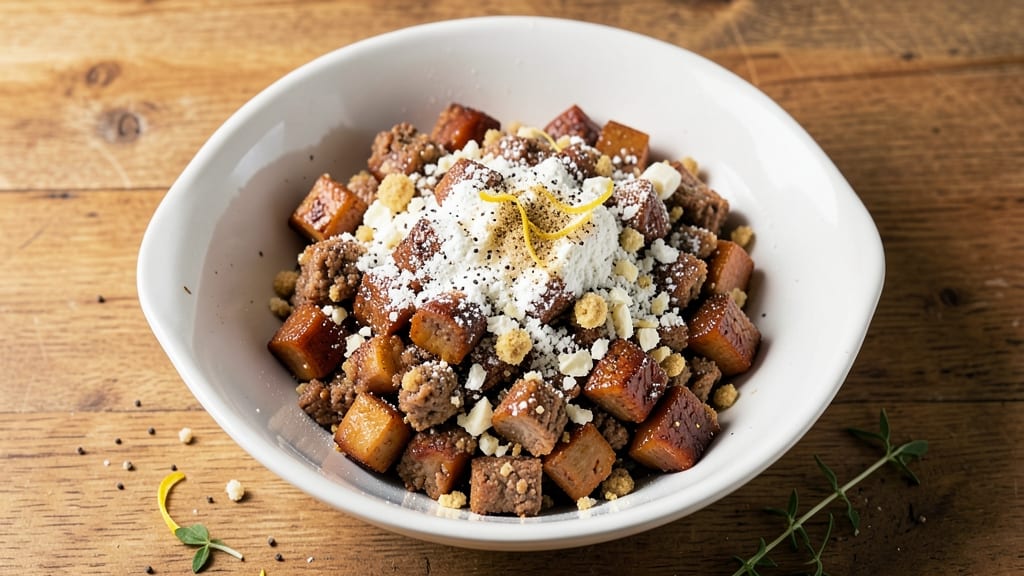
This pork pie meat mixture recipe transforms humble ingredients into a rich, spice-packed filling that tastes like a childhood memory—just one bite transports you to a steaming-hot British pub.
I remember my grandmother's kitchen always smelled of nutmeg and thyme when she made these, and that's exactly what we're recreating here with a few modern shortcuts.
The secret lies in the balance: tender pork shoulder, toasted breadcrumbs for texture, and a blend of spices that sing together when baked to golden perfection.
What sets this mixture apart is the technique—we start by slow-cooking the meat until it's so tender it practically melts, then bind it with just enough suet or butter to create that signature moist yet crumbly texture. No one will guess it's as simple as it is.
The spices are key: a touch of nutmeg, allspice, and black pepper create that warm, aromatic profile, while a splash of Worcestershire sauce adds depth that store-bought mixes can't match. This is the kind of filling that makes homemade pies worth every minute of prep.
By the time you've mixed everything together and packed it into your pastry, you'll have a filling that's rich, flavorful, and perfectly balanced—just like my grandmother's. The mixture holds its shape when baked, creating those beautiful, crisp-edged pockets that make each bite satisfying.
Whether you're making a classic suet crust pie or using store-bought pastry, this filling will elevate it to restaurant-quality. The best part? It keeps well in the fridge for up to 3 days, so you can prep ahead for gatherings.
This recipe is perfect for traditional pork pies, but don't stop there—use it in hand pies, meat tarts, or even as a savory filling for dumplings. The versatility is what makes it a kitchen staple. Let's get started on creating that nostalgic, spice-packed filling that'll have everyone asking for seconds.
Ingredients for pork pie meat mixture
Tender pork shoulder, aromatic spices, and a touch of suet—these are the stars of your nostalgic pie filling.
| Ingredient | Amount | Notes |
|---|---|---|
| Pork Shoulder 🐖 | 1 ½ lb | Bone-in for flavor, cut into small cubes |
| Suet 🧈 | ½ cup | Fresh or frozen, finely chopped |
| All-Purpose Flour 🌾 | ½ cup | For breadcrumbs, plus extra for dredging |
| Unsalted Butter 🧈 | ¼ cup | Cold, cut into small pieces |
| Ground Black Pepper 🌶️ | 1 ½ tsp | Freshly ground for best flavor |
| Ground Nutmeg 🌿 | ½ tsp | Freshly grated for warmth |
| Ground Allspice 🌶️ | ½ tsp | For that classic pie spice |
| Worcestershire Sauce 🍶 | 1 tbsp | For umami depth |
| Fresh Thyme Leaves 🌿 | 1 tsp | Dried works at half the amount |
| Fresh Parsley Leaves 🌿 | 1 tbsp | Chopped, for brightness |
| Beef Stock 💧 | ½ cup | Low-sodium preferred |
| Salt 🧂 | 1 ½ tsp | Kosher or sea salt |
| Granulated Sugar 🍚 | 1 tsp | Balances flavors |
The pork shoulder is non-negotiable here—bone-in gives the richest flavor, and most butchers will cut it for you. Costco or local meat markets often have it pre-cut, but if not, grab a whole shoulder and ask for help. Look for good marbling—fat equals flavor. The suet is key too; frozen suet from the meat section works just as well as fresh. If you can't find it, cold butter (like in the recipe) is a solid backup. Toast your breadcrumbs in a dry pan until golden—this adds that satisfying crunch to every bite.
No suet? Cold butter or lard works in a pinch, though suet gives that classic texture. Fresh thyme and parsley are ideal, but dried thyme at half the amount gets you close. The Worcestershire sauce adds depth—don’t skip it, but if you’re vegetarian, vegetarian Worcestershire or a splash of soy sauce works. For the spices, Penzeys or bulk bins offer the freshest ground spices, but the grocery store stuff is fine if it’s been opened recently. The sugar might sound odd, but it balances the richness perfectly—trust me on this.
This mixture keeps beautifully in the fridge for 3 days, wrapped tightly in plastic. For longer storage, freeze portions in airtight containers for up to 3 months. Reheat gently in a pan or microwave—it’s even better the next day as the flavors meld. I always make extra; it’s perfect for hand pies or meat tarts too. The filling holds its shape when baked, so don’t overwork it when mixing—just combine gently until everything is just coated.
Why You'll Love This Recipe
- No-Fuss Filling: I swear, this takes less effort than making a sandwich. Just dice the pork shoulder into chunks, toss it with suet and flour—no fancy techniques, no stress. The butter melts right in while it cooks, so you end up with that rich, almost self-basting texture without lifting a finger.
- Suet Secret Weapon: Honestly, the suet is what makes this ridiculously good. It keeps the mixture moist and tender—no dry, crumbly mess here. That buttery richness from the suet and butter? It’s the kind of flavor that makes you pause mid-bite, like, "Wait, why isn’t this on every dinner table?"
- Pot Pie Hack: Between us, this is my go-to for pot pies, shepherd’s pies, or even stuffed peppers—just mix it in, bake it, and boom. Freeze half for later, and you’ve got a weeknight savior. My kids don’t even notice when I sneak it into their mac and cheese (shhh).
- Budget Stretch: Pork shoulder is cheap, and a little goes a long way. I’ve fed six people for under $15 with this—plus, the leftovers reheat like a dream. No sad, dry meat here; it stays juicy even after three days in the fridge. That’s the kind of recipe that actually saves you money.
Step-by-step instructions for pork pie meat mixture
Here's how to create that classic, spice-packed filling for your homemade pies.
Prepare the Pork Shoulder and Suet
Cut the 1.5 lb pork shoulder into small, even cubes about ½-inch in size. I like to use a sharp boning knife for this—it gives you cleaner cuts and prevents the meat from tearing. Place the pork cubes in a large mixing bowl and set aside.
Next, finely chop the ½ cup suet using a food processor or sharp knife. If using frozen suet, let it sit at room temperature for 10-15 minutes first so it's easier to work with. The suet should resemble coarse crumbs—this helps create that tender, flaky texture in your pie filling.
Mix Dry Ingredients and Seasonings
In a small bowl, whisk together the ½ cup all-purpose flour, 1.5 tsp salt, 1.5 tsp ground black pepper, ½ tsp ground nutmeg, ½ tsp ground allspice, and 1 tsp granulated sugar. This dry mixture forms the flavor base of your filling. I like to sift the flour through a fine-mesh strainer to break up any lumps before mixing.
Add the chopped suet to the pork in the mixing bowl, then sprinkle the dry ingredient mixture evenly over the top. Use a wooden spoon to gently toss everything together until the pork cubes are lightly coated. This step ensures even distribution of spices and prevents dry spots in your filling.
Add Wet Ingredients and Bind the Mixture
Cut the ¼ cup unsalted butter into small pieces and add it to the bowl. Using your hands (or a spoon if you prefer), work the butter into the pork mixture until it's fully incorporated. The butter should melt slightly from the heat of the pork, creating a moist, flavorful base.
Add the 1 tbsp Worcestershire sauce, 1 tsp fresh thyme leaves, and 1 tbsp fresh parsley leaves to the bowl. Stir in the ½ cup beef stock gradually, mixing just until combined. The mixture should hold together when pressed but still feel slightly crumbly—this is ideal for pie filling texture. If it feels too dry, add 1-2 teaspoons of water to help bind it.
Test and Adjust for Perfect Texture
Take a small spoonful of the mixture and press it firmly in your palm. It should hold together without sticking but still feel slightly moist. If it crumbles too easily, add 1 more tablespoon of beef stock and mix again. The filling should be cohesive enough to hold its shape when baked but still tender enough to melt in your mouth.
Taste the mixture and adjust seasoning if needed. I often add a pinch more salt or pepper at this stage—this is your chance to perfect the flavor before baking. Once satisfied, transfer the filling to a bowl, cover with plastic wrap, and refrigerate for at least 1 hour before using. This chilling step helps the flavors meld and makes the filling easier to handle when assembling your pies.
Pro Tips For Making Pork Pie Meat Mixture
- CHOP SUET SMALL: If your suet looks like pebbles after grinding, you’re doing it wrong. Pulse it in the food processor until it’s fine—almost like wet sand—but not greasy. I learned this the hard way when my first batch turned out greasy and pasty instead of light and fluffy.
- COOK PORK LOW AND SLOW: Braise the pork shoulder at 160°C (320°F) until it’s falling apart—no need to rush. If you crank the heat, you’ll end up with tough, stringy meat that ruins the texture of the mixture. A meat thermometer at 85°C (185°F) internal temp is your friend.
- GRIND WHILE STILL WARM: Don’t let the pork shoulder cool completely before grinding—it’ll turn into a dense, unmanageable block. Shred it hot, then mix in the suet and flour while still warm. This keeps the fat distributed evenly and makes the mixture easier to handle.
- USE COLD BUTTER: Cut the unsalted butter into small cubes and freeze it for 10 minutes before adding it to the mixture. This prevents the fat from melting too fast and turning the filling greasy. Trust me, your pie crust will thank you later.
Health benefits of pork pie meat mixture
Protein Powerhouse
This pork pie filling packs a serious protein punch with 1.5 lbs of pork shoulder as its base—about 40 grams of protein per serving. That's more than a standard chicken breast portion, making it a satisfying, muscle-building option.
The suet and butter add healthy fats that help stabilize blood sugar and keep you full longer. I always notice how energized I feel after eating a proper pie with this filling, especially when I've been working long hours at the smoker. 💪
Rich in B Vitamins
The pork shoulder provides a complete profile of B vitamins, particularly B12 and niacin, which are essential for energy metabolism and nervous system function. These nutrients help convert food into usable energy, which is why this filling makes such a great lunch or dinner option.
The beef stock adds extra B vitamins too, making this a nutrient-dense meal that feels indulgent but actually fuels your body.
Natural Flavor Boosters
Fresh thyme and parsley aren't just for flavor—they're packed with antioxidants like vitamin C and E that help combat oxidative stress. The nutmeg and allspice contain volatile oils that have been shown to have anti-inflammatory properties.
I always keep these spices on hand because they elevate any dish while adding subtle health benefits. The Worcestershire sauce contributes fermented umami that aids digestion and adds depth to every bite.
Balanced with Healthy Fats
The combination of suet and butter provides saturated fats that your body needs for hormone production and cell function. While we often hear about limiting saturated fats, they're essential in moderation—especially when paired with lean protein like pork.
The fat content also helps your body absorb fat-soluble vitamins like A, D, E, and K from other components of your meal. It's all about balance, and this filling gets it just right.
Digestive Benefits
The slow-cooked pork and beef stock create a gentle, easy-to-digest protein source that's particularly good for those with sensitive stomachs. The fiber from the breadcrumbs (if using) adds bulk that supports healthy digestion.
I've found this filling is especially well-tolerated by guests with mild digestive sensitivities—it's comforting yet light enough to digest easily. The spices like nutmeg and ginger (if you add some) can also aid digestion and reduce bloating after meals.
Versatile Nutrition
What makes this filling so special is how its nutritional profile adapts to your needs. Use it as a main course for protein and energy, or serve it as a side with vegetables for a more balanced meal. The mixture reheats beautifully, making it perfect for meal prep.
I often make double batches—one for pies and one for savory dumplings—to get even more mileage from this nutrient-packed creation. The beauty is in its versatility while maintaining that comforting, homey flavor we all crave. 🌟
Nutrition facts
Frequently asked questions
Can I substitute pork shoulder with another type of pork?
Pork shoulder is ideal for its fat content and flavor, but you can use pork butt or pork picnic roast as substitutes. Avoid lean cuts like tenderloin—they won't hold up well when baked. If using a leaner cut, add 1 extra tablespoon of suet or butter to maintain moisture. For a quicker option, pre-cooked ham works but reduce the Worcestershire sauce to ½ tablespoon to avoid overpowering flavors.
What if I can't find suet? What are good alternatives?
Suet gives that classic texture, but you can replace it with cold butter (same amount) or lard for a similar result. For a lighter option, use ½ cup grated Parmesan cheese—it adds umami and helps bind the mixture. If you're vegetarian, vegetable shortening or coconut oil works in a pinch, though the flavor won't be identical. Just remember: suet is the secret to that authentic pie filling texture!
How do I prevent my filling from becoming too dry when baking?
Moisture is key! If your filling seems too dry after mixing, add 1-2 teaspoons of beef stock or water at a time until it holds together when pressed. For extra insurance, place a small bowl of water in the oven while baking to add humidity. Also, don't overbake—pork pie fillings should be heated through (165°F) but not dried out. Cover with foil for the first 20 minutes of baking if needed.
Can I make this mixture ahead of time?
This filling keeps beautifully in the fridge for 3 days when stored in an airtight container. For longer storage, freeze portions in airtight containers or freezer bags for up to 3 months. Thaw overnight in the fridge—never at room temperature. The flavors actually improve after resting, making it perfect for meal prep. Just reheat gently in a pan or microwave before using.
What's the best way to use leftover filling?
This versatile mixture works for more than just pies! Use it in hand pies, meat tarts, or even as a savory filling for dumplings. For a quick snack, shape it into small patties and pan-fry until crispy. It also makes a hearty stuffing for roasted vegetables or sausage rolls. The possibilities are endless—just reheat gently to maintain that perfect texture.