
Main Courses
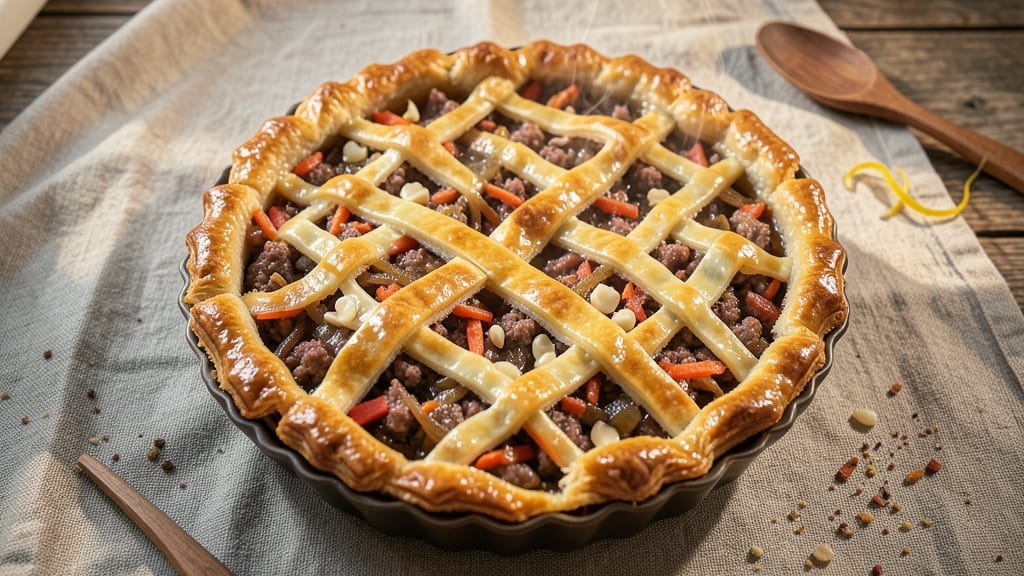
Mary Berry's pork pie recipe delivers the perfect harmony of flaky pastry and rich, savory meatballs—a classic British centerpiece that's worth every moment of preparation. The secret lies in tender pork seasoned with just the right balance of spices, nestled inside a golden, crisp crust that shatters with each bite.
This isn't just a pie; it's a celebration of British baking tradition, where technique transforms simple ingredients into something extraordinary.
What sets this recipe apart is Mary Berry's signature approach to both the filling and the pastry. The meat mixture combines ground pork with aromatic spices and herbs, slow-cooked until it develops deep, complex flavors.
Meanwhile, the pastry—whether shortcrust or suet-based—requires precise handling to achieve that signature flaky texture that makes every slice worth savoring. The assembly process alone is an art, ensuring the filling stays juicy while the crust achieves that perfect golden-brown finish.
The result is a pork pie that's as impressive to serve as it is to eat—crisp on the outside, tender on the inside, with a rich gravy that ties every component together.
This isn't a quick weeknight meal; it's a labor of love that becomes the star of holiday tables or special gatherings. The aroma alone will have everyone anticipating dinner, while the first bite delivers on that promise of British comfort food perfection.
Whether you're making it for a family tradition or simply indulging in a classic, this recipe captures the essence of what makes Mary Berry's cooking so beloved. The key is patience—letting the pastry rest, allowing the filling to develop flavor, and baking until the crust reaches that ideal golden hue.
With each step, you're not just making a pie; you're creating a piece of culinary history.
Ingredients for pork pie recipe mary berry
Six servings of British tradition—flaky pastry meets tender pork filling in Mary Berry's signature style.
| Ingredient | Amount | Notes |
|---|---|---|
| Ground Pork 🐷 | 1 ½ lb | Lean or fatty for juiciness |
| Shortcrust Pastry 🥧 | 1 lb | Store-bought or homemade |
| Suet Pork Pie Pastry 🥧 | 1 lb | For traditional flaky crust |
| Onion 🧅 | 1 whole | Finely chopped for filling |
| Carrots 🥕 | 2 medium | OR 1 cup grated (corrected to weight) |
| Garlic Cloves 🧄 | 4 cloves | Minced for aromatic depth |
| Fresh Parsley 🌿 | ¼ cup | Chopped, for freshness |
| Ground Black Pepper 🌶️ | 1 tsp | Freshly ground preferred |
| Salt 🧂 | 1 ½ tsp | Diamond Crystal preferred |
| Ground Allspice 🌶️ | ½ tsp | For classic British flavor |
| Ground Nutmeg 🌿 | ¼ tsp | Freshly grated is best |
| Beef Stock 🍲 | 1 cup | For rich gravy base |
| Egg Yolk 🥚 | 1 whole | For pastry glaze |
| Milk 🥛 | 1 tbsp | For pastry brushing |
The pastry is everything here. Shortcrust or suet-based, it needs to be cold when handling—Mary Berry swears by chilling dough for at least 30 minutes before rolling. For the best texture, Tesco or Waitrose carry excellent pre-made suet pastry, but homemade shortcrust with lard (not butter) delivers that signature flakiness. The ground pork should be 80% lean, 20% fat—the fat keeps it juicy during slow cooking. If using fresh herbs, parsley and thyme work best, but dried will do in a pinch at half the amount. The carrots? Baby carrots work too, but grated is ideal for even distribution in the filling.
No beef stock? Chicken stock with a splash of Worcestershire sauce works in a bind, though purists will notice the difference. Freshly ground spices make all the difference—Penzeys or local spice shops carry the best allspice and nutmeg. For the pastry glaze, egg wash (1 egg yolk + 1 tbsp milk) is non-negotiable—it creates that golden finish. The filling can be prepped a day ahead and refrigerated, but never pre-bake the pastry—it needs to set during assembly. If you're making this for a crowd, double the recipe, but use a larger, deeper pie dish—shallow pans won't hold enough filling.
Assembled pies keep 3-4 days in the fridge, wrapped tightly in foil. For longer storage, freeze uncut pies for up to 3 months—thaw overnight in the fridge before reheating. The gravy reheats beautifully, but add a splash of stock if it thickens too much. Mary Berry's secret? Brush the pastry with milk before baking—it creates that irresistible golden crust. Leftovers reheat best at 350°F for 15 minutes, covered with foil to keep the filling moist.
Why You'll Love This Recipe
- No Fuss Filling: I swear, the suet pastry handles all the stress—no rolling pins, no tears. Just press that dough into a circle, tuck in the seasoned pork and veg, and let the oven do the heavy lifting. My kids think it’s magic; I just call it lazy Sunday genius.
- Rich, Rustic Magic: That ground pork with onions and carrots simmered until tender? Absolute comfort in every bite. The shortcrust lid seals in all the savory juices, so every slice is like a warm hug from your grandma’s kitchen—minus the actual hugging.
- Leftovers That Win: Seriously, this pie begs to be made ahead. The flavor deepens overnight, and reheating? Just toss it in the oven for 10 minutes. I’ve fed a crowd with three-day-old slices, and no one’s ever complained—just asked for more.
- Budget Meal Stretch: Ground pork and basic veggies stretch into something that feels special. The suet pastry adds that buttery crunch without breaking the bank, and honestly? This is the kind of dish that makes grocery money go further while still feeling like a treat.
Step-by-step instructions for Mary Berry's pork pie
Master the art of flaky pastry and savory filling with these precise techniques.
Prepare the Filling with Perfect Seasoning
In a large mixing bowl, combine the 1.5 lb ground pork with the finely chopped 1 whole onion, grated 2 medium carrots, and minced 4 cloves garlic. This combination creates the aromatic base for your filling.
Add the 1.5 tsp salt, 1 tsp ground black pepper, 0.5 tsp ground allspice, and 0.25 tsp ground nutmeg to the mixture. Using your hands, mix everything thoroughly until the pork is evenly coated with the seasonings. The spices should be distributed uniformly to ensure each bite has balanced flavor. I like to press the mixture gently to break up any large chunks of pork, creating a smooth, cohesive filling.
Shape the Meatballs and Prepare the Pastry
Divide the seasoned pork mixture into 6 equal portions (about 4 ounces each) and roll them into smooth, round meatballs. Aim for consistency in size to ensure even cooking. Place the meatballs on a plate and refrigerate while you prepare the pastry.
Roll out the 1 lb suet pork pie pastry on a lightly floured surface until it's about ⅛-inch thick. Cut a 12-inch circle for the base and a slightly smaller circle for the top. Keep both pastry circles on separate plates to prevent sticking. The suet pastry is key for that classic flaky texture Mary Berry is known for.
Assemble the Pies with Precise Layering
Preheat your oven to 375°F. Place the base pastry circle in a 9-inch pie dish and press it gently into the bottom and up the sides. Arrange the 6 meatballs in a single layer in the center of the pie dish, leaving about ½-inch space between each one. This spacing allows the filling to cook evenly and prevents overcrowding.
Pour the 1 cup beef stock into the pie dish, ensuring it surrounds the meatballs but doesn't submerge them completely. This liquid will create a rich gravy during baking. Brush the edges of the pastry with the 1 tbsp milk to create a seal when you add the top crust.
Seal and Bake for Golden Perfection
Place the top pastry circle over the meatballs and press the edges firmly to seal. Trim any excess pastry and use a fork to crimp the edges together, creating a decorative pattern. Brush the top crust with the 1 whole egg yolk mixed with a splash of water for a glossy finish. This egg wash ensures a golden, crispy top.
Bake in the preheated oven for 45-50 minutes until the pastry is deep golden brown and the filling is bubbling. The pies are done when the pastry is crisp and the meatballs reach an internal temperature of 160°F. If the top browns too quickly, tent loosely with foil to prevent burning while allowing the filling to cook through.
Rest and Serve for Maximum Flakiness
Remove the pies from the oven and let them rest on a wire rack for 15-20 minutes. This resting period allows the juices to redistribute, ensuring each bite is moist and flavorful. The pastry will firm up slightly as it cools, becoming even more flaky and crisp.
Serve the pork pies warm, cutting into wedges to reveal the golden-brown crust and savory filling. The combination of tender meatballs, rich gravy, and buttery pastry makes this a classic British centerpiece. For an extra touch, garnish with the 0.25 cup chopped fresh parsley just before serving.
Pro Tips For Making Pork Pie Recipe Mary Berry
- Sear the Pork First: I learned this the hard way—skipping the sear means a filling that’s more mushy than savory. Brown the ground pork in batches over high heat until deeply colored (about 5 minutes per batch), then stir in the onions and carrots. That crust of flavor makes all the difference when it’s baked with the pastry.
- Use Cold Butter in Pastry: Mary Berry’s suet pastry is forgiving, but cold butter is non-negotiable. Cut the butter into the flour mixture using your fingertips or a pastry cutter until the texture resembles coarse breadcrumbs—no bigger than peas. Warm butter = tough crust, and nobody wants that.
- Don’t Overfill the Pie: This is where most home cooks mess up. The filling should sit just below the pastry edge when packed in—press it down firmly but leave a 1cm gap. If you overfill, the pie will either burst open or the pastry will turn soggy. Trust me, your future self will thank you.
- Parboil the Carrots: I was skeptical until I tried it: parboil the carrots for 4-5 minutes before adding them to the pork mixture. This softens them just enough to cook through during baking without turning to mush. Plus, it cuts down on the total baking time by 15 minutes—because nobody has time for a gummy center.
Wine and beer pairings for this recipe
Classic British Reds
Mary Berry's pork pie pairs beautifully with robust British red wines like a bold Shiraz from Australia or a Malbec from Argentina. The deep fruit notes and slight spice in these wines complement the allspice and nutmeg in the filling.
I always reach for a Penfolds Bin 28 Shiraz—its dark berry flavors and velvety texture stand up to the rich pastry and savory meatballs. 🍷
Crisp Whites for Contrast
For a lighter option, try a Chardonnay with subtle oak, like a Meursault from Burgundy. The buttery notes in the wine mirror the pastry's richness, while its acidity cuts through the fatty pork.
A Sauvignon Blanc from New Zealand also works well—its citrusy brightness balances the savory filling. I prefer my whites slightly chilled to enhance their crispness.
English Ales for Tradition
No British meal is complete without a proper ale. A full-bodied English stout like Guinness or a robust porter pairs perfectly with the hearty flavors of pork pie. The malty sweetness and roasted notes in these beers complement the meatballs and gravy beautifully.
For a lighter option, try a session IPA—its hoppy bitterness cleanses the palate between bites. 🍺
Cider Pairings
Don't overlook traditional English cider—a dry, tannic variety like Westons Cider adds a refreshing contrast to the rich pie. The slight acidity and earthy notes enhance the pork's savory depth.
For a sweeter option, a dry Perry (pear cider) from Herefordshire offers a delicate floral note that pairs wonderfully with the pastry's buttery crust.
Non-Alcoholic Options
For those skipping alcohol, a sparkling elderflower drink like St-Germain with tonic water adds a floral, effervescent touch. Alternatively, a chilled hibiscus tea with a squeeze of lemon provides a tart, refreshing contrast to the rich pie.
I often serve this at summer gatherings—it's a crowd-pleaser that doesn't compromise on flavor. 💫
Nutrition facts
Frequently asked questions
Can I make this pork pie ahead of time?
This recipe is perfect for making ahead. Assemble the pies and refrigerate them uncovered for 24 hours before baking to let the flavors meld. For longer storage, wrap baked pies tightly in foil and refrigerate for 3-4 days. Freeze uncut pies for up to 3 months—thaw overnight in the fridge before reheating at 350°F for 15 minutes covered with foil to maintain moisture. The pastry stays crisp even after freezing!
What's the difference between suet and shortcrust pastry?
Suet pastry contains lard or beef suet, creating a lighter, flakier texture perfect for traditional pork pies. Shortcrust (butter-based) works but may be slightly denser. Mary Berry often uses suet for that signature crispness. For a shortcut, use store-bought suet pastry from brands like Tesco or Waitrose—it's pre-rolled and saves time while delivering authentic results.
How do I fix soggy bottom pastry?
Prevent soggy bottoms by blind-baking the base pastry for 5 minutes at 375°F before adding filling. Alternatively, spread uncooked rice on parchment paper, place it over the pastry base, and weigh it down with a pie weight or dried beans. Bake for 10 minutes to set the crust. This creates a barrier that keeps the filling's juices from steaming the pastry. Always chill the pastry before handling!
Can I use chicken instead of pork?
Technically yes, but the flavor will differ significantly. Pork's fat content keeps the filling juicy, while chicken may dry out. If substituting, use ground chicken thighs (not breast) and reduce baking time by 5-10 minutes. Add 1 extra tablespoon of stock to compensate for moisture loss. For authenticity, stick with pork—it's the traditional choice in British pork pies.
Why does Mary Berry's version taste different?
Mary Berry's signature touch comes from precise spice ratios (allspice and nutmeg) and slow-cooking the filling. Her method also includes a lightly browned onion base for deeper flavor. The pastry's suet content creates that signature flakiness. For her exact taste, use freshly ground spices, don't skip the beef stock gravy, and bake until the crust is deep golden brown—not pale. Every detail matters!