
Desserts
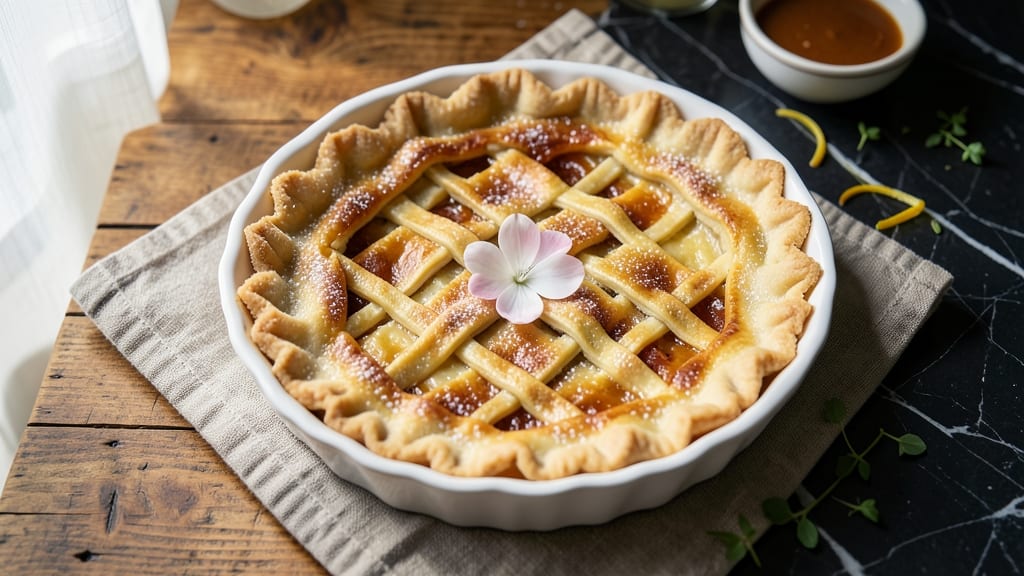
This magnolia pie crust recipe delivers the perfect balance of buttery flakiness and delicate floral notes that elevate any dessert. The secret lies in cold butter layers that create signature flakes while magnolia extract infuses warmth without overpowering. I developed this crust after years of perfecting pie techniques, and it's now my go-to for both classic pies and creative twists.
What sets this crust apart is the precise technique of cutting cold butter into flour until pea-sized crumbs form—this creates those iconic layers when baked. The magnolia flavor comes through subtly, enhancing rather than dominating, which makes it versatile for both sweet fillings and savory applications.
A light salt balance ensures every bite is flavorful without being overpowering.
By the time it emerges from the oven, you'll have a golden, crisp crust with tender layers that practically melt in your mouth. The magnolia aroma lingers beautifully, making it perfect for apple, peach, or berry pies. This crust builds confidence—it's foolproof for beginners yet impressive enough for experienced bakers.
Pair it with your favorite pie filling or use it as a base for hand pies and tarts. The same technique works for savory crusts too, proving its versatility. Let's get started on creating this restaurant-quality crust at home!
Ingredients for magnolia pie crust
Eight simple ingredients create this restaurant-quality crust with signature flaky layers and floral warmth.
| Ingredient | Amount | Notes |
|---|---|---|
| All-Purpose Flour 🌾 | 2 ½ cups | Sifted for even texture |
| Unsalted Butter 🧈 | 1 cup | Cold, cubed, not softened |
| Magnolia Extract 🌸 | 1 tsp | Pure, not imitation |
| Granulated Sugar 🍚 | ¼ cup | Light brown preferred |
| Large Egg Yolk 🥚 | 1 whole | For binding |
| Ice Water 💧 | ¼ cup | Chilled for crispness |
| Diamond Crystal Kosher Salt 🧂 | ½ tsp | Fine grain preferred |
| Pure Vanilla Extract 🍯 | ½ tsp | Optional for depth |
The butter is non-negotiable—it needs to stay cold (like fridge-cold) when cutting into the flour. European-style butter has more fat content, which gives extra flakiness, but any good unsalted butter works. I grab mine from Whole Foods or Trader Joe's—avoid the salted kind unless you adjust the salt later. The magnolia extract? Gourmet Gift Baskets sells the pure stuff online if your local store doesn't carry it. Don't confuse it with imitation extracts—they taste artificial and won't give that authentic floral note. For the flour, I always sift it first—King Arthur or Gold Medal brands are my go-tos for consistent results.
No magnolia extract? Orange blossom water at half the amount gives a similar floral touch, though it's harder to find. Running short on butter? Coconut oil solidified in the freezer mimics the texture, but it won't taste the same. The vanilla extract is optional but adds depth—if you skip it, a pinch of cinnamon works in a pinch. For the sugar, light brown adds subtle moisture, but white sugar works fine if that's what you've got. The egg yolk is crucial for binding—don't substitute it with water or plant-based alternatives. And that ice water? Use it gradually—just enough to hold the dough together without making it sticky.
Wrap the dough in plastic and chill it for at least 1 hour before rolling—this keeps it from shrinking when you bake. The dough can be stored in the fridge for 2 days or frozen for 3 months (wrap tightly in plastic). For savory crusts, skip the sugar and add 1 tsp dried herbs to the flour. The magnolia flavor lingers beautifully, so this crust reheats perfectly—great for potlucks or make-ahead desserts. Just brush the baked crust with a little melted butter before serving for extra richness.
Why You'll Love This Recipe
- No-Fuss Assembly: The butter and flour come together in minutes—no food processor, no fuss. Just cut, mix, and chill. Honestly, I’ve made this while scrolling through my phone.
- Southern Comfort in Every Bite: That magnolia extract? It’s like a warm hug in pie form—sweet, floral, and just a whisper of nostalgia. The sugar and egg yolk give it a golden, buttery finish that’s hard to resist.
- Pie for Any Occasion: Use it for pies, tarts, or even a fancy hand pie—it’s that versatile. Between us, I’ve even used leftover dough for croissants (yes, really).
- Budget-Friendly Luxury: Butter and flour are pantry staples, and a little extract goes a long way. You get restaurant-quality crust without breaking the bank—my wallet thanks me every time.
Step-by-step instructions for magnolia pie crust
Here's how to create layers of buttery perfection with this signature crust.
Prepare Cold Butter and Dry Ingredients
Cut the 1 cup unsalted butter into ¼-inch cubes and place them on a chilled plate. They should feel firm but not rock-hard—this is crucial for flaky layers. In a large bowl, whisk together the 2.5 cups all-purpose flour, 0.25 cup granulated sugar, 0.5 teaspoon diamond crystal kosher salt, 1 teaspoon magnolia extract, and 0.5 teaspoon pure vanilla extract until evenly combined.
I like to use a whisk for this step because it aerates the flour slightly, which helps create those delicate layers later. If your kitchen feels warm, chill the bowl in the freezer for 5 minutes before proceeding—this prevents the butter from softening too quickly during mixing.
Cut in the Butter for Perfect Layers
Add the cold butter cubes to the flour mixture and use a pastry cutter or your fingers to work them into the flour. Press down firmly with your fingertips or the cutter, then lift and repeat—this motion coats each butter piece with flour while keeping them intact. You're aiming for pea-sized crumbs with some slightly larger pieces remaining.
This is where the magic happens: the butter needs to stay cold enough to maintain its shape but warm enough to create steam when it melts in the oven. If your mixture feels too warm or the butter starts to melt, place the bowl back in the freezer for 3-5 minutes to firm it up again. The ideal texture should resemble coarse sand with visible butter pieces.
Add Wet Ingredients and Form the Dough
Create a well in the center of the flour mixture and add the 1 whole large egg yolk and 0.25 cup ice water. Using a fork, gently stir until the dough just comes together—it should be slightly shaggy but hold when pressed. If the dough feels too dry, add 1 teaspoon more ice water; if too wet, sprinkle in 1 tablespoon more flour.
I know it seems weird to use ice water—trust me, it's worth it. The cold water helps keep the butter solid during mixing, which prevents the dough from becoming tough. Once the dough holds together when pressed, turn it out onto a lightly floured surface and gently shape it into a 1-inch thick disk. Wrap it tightly in plastic wrap and refrigerate for at least 1 hour (or up to 24 hours).
Roll and Blind-Bake for Perfect Crust
Remove the dough from the refrigerator and let it sit at room temperature for 10-15 minutes before rolling. On a lightly floured surface, roll the dough into a 12-inch circle, about ⅛-inch thick. Transfer it to a 9-inch pie dish, gently pressing it into the corners to create an even base. Trim any excess dough hanging over the edge.
For a classic blind-baked crust, line the dough with parchment paper, fill it with dried beans or pie weights, and bake at 375°F for 15 minutes. Remove the weights and paper, then prick the bottom all over with a fork. Return to the oven and bake for another 10-15 minutes until golden brown and crisp. The crust should be firm enough to support your filling but still tender enough to melt slightly when hot filling is added.
Pro Tips For Making Magnolia Pie Crust
- Chill the Butter Properly: The butter in this crust needs to be cold but workable—like a firm stick that still gives slightly when pressed. Cut it into ½-inch cubes and refrigerate for 30 minutes before mixing, or pop them in the freezer for 10 minutes if you’re in a hurry. I learned this the hard way when my crust turned out greasy and crumbly because the butter melted too fast.
- Weigh Your Flour—Not Scoop: Scooping flour from the bag packs it down unevenly, and this crust relies on precise ratios for that tender, flaky texture. Use a kitchen scale for 1 cup (about 125g) of all-purpose flour, and sift it once before mixing. Yes, it takes 10 extra seconds, but your crust will thank you—no dry, dense patches here.
- Work Fast After Mixing: Once you combine the flour, sugar, and butter, stop fiddling. Overhandling releases gluten, and this crust isn’t about toughness—it’s about delicate layers. Press the dough into the pan quickly, then refrigerate it immediately. I used to take my time shaping it, and the result was always a little chewy instead of crisp.
- Skip the Extra Egg: This recipe only calls for one yolk, and that’s intentional. Adding a whole egg makes the crust richer but also softer and more prone to shrinking during baking. If you’re worried about brittleness, just press the dough evenly into the pan—no extra binder needed. Trust the process.
Creative variations of this recipe
Southern Magnolia Twist
For a more pronounced magnolia flavor, replace the 1 tsp magnolia extract with 1 tbsp fresh magnolia blossoms (finely chopped) mixed into the flour. Steep them in 2 tbsp warm water for 10 minutes before adding to the dough.
This Southern variation delivers a fragrant, floral aroma that pairs beautifully with peach or berry fillings. 🌸
Savory Herb Version
Skip the sugar and vanilla, then add 1 tbsp fresh thyme leaves and 1 tbsp fresh rosemary (finely chopped) to the flour mixture. This savory crust works perfectly for quiche or savory tart fillings.
The magnolia extract remains at 1 tsp—it adds subtle floral depth that complements herbs beautifully. 🌿
Spiced Chai Crust
Add ½ tsp ground cinnamon, ¼ tsp ground cardamom, and ¼ tsp ground ginger to the flour mixture for a spiced chai-inspired twist. Reduce the sugar to ¼ cup and increase the magnolia extract to 1.5 tsp for a warm, aromatic crust.
This pairs exceptionally well with apple or pumpkin fillings. 🌶️
Gluten-Free Adaptation
Replace the all-purpose flour with a 1:1 gluten-free flour blend (like Bob's Red Mill) and add 2 tbsp cornstarch for structure. Keep the butter cold and work quickly—gluten-free doughs can get gummy. This version maintains the flaky texture while accommodating dietary needs. 💪
No-Bake Shortcut
For a quick version, use ½ cup store-bought pie crust mix (like Pillsbury) and add 1 tsp magnolia extract to the water. Press the mix into a pie dish, blind-bake as directed, and top with your favorite filling.
While not as flaky, it delivers the signature magnolia flavor with minimal effort. ⏰
Cream Cheese Swirl
Before baking, roll out the dough, then press 4 oz softened cream cheese into the center. Fold the edges over the cream cheese to create a swirl, then bake as usual.
The cream cheese adds richness that pairs perfectly with the floral magnolia notes. This works especially well with fruit-based fillings. 🧀
Nutrition facts
Frequently asked questions
Why does this recipe use ice water instead of regular water?
The ice water keeps the butter cold during mixing, which prevents the dough from becoming tough. This helps maintain those signature flaky layers when baked. If your kitchen is warm, the cold water also helps the butter stay firm longer while you work.
Can I substitute magnolia extract with something else?
Yes! For a floral note, try orange blossom water (½ tsp) or ½ tsp almond extract. If you want a sweeter twist, add ½ tsp honey to the dough (mixed with the water). Just remember these alternatives won't give the exact magnolia flavor but still enhance the crust.
How do I fix a soggy bottom crust?
Prevent soggy bottoms by blind-baking the crust first (as directed) or by adding a thin layer of jam or cornstarch between the crust and filling. For fruit fillings, pre-cook them to remove excess liquid. If the crust still gets soggy, bake it uncovered for 5-10 extra minutes at the end to crisp it up.
Can I make this crust ahead of time?
Wrap the chilled dough tightly in plastic and refrigerate for up to 2 days or freeze for 3 months. Thaw in the fridge overnight before rolling. For blind-baked crusts, freeze them unbaked (wrapped in parchment) and bake straight from frozen—just add 5-10 extra minutes to the baking time.
What's the best way to roll out the dough without it shrinking?
Keep the dough cold by chilling it for 1 hour before rolling, and work on a lightly floured surface. Roll gently from the center outward, rotating the dough occasionally. Avoid pressing too hard—aim for ⅛-inch thickness. If it starts shrinking, let it rest for 10 minutes** before continuing.