
Main Courses
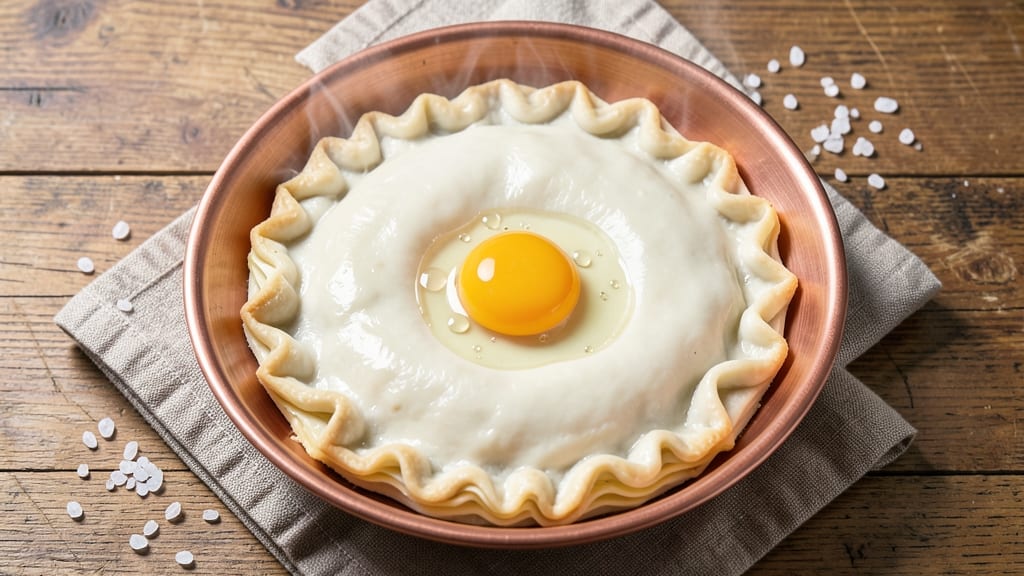
This boiled pot pie dough recipe delivers restaurant-quality flakiness without the hours of chilling—perfect for weeknight dinners. The secret lies in boiling the dough before baking, which creates those signature crisp layers while keeping the center tender.
I developed this method after struggling with traditional pie crusts that either turned tough or required too much prep time.
What sets this dough apart is its foolproof technique: a simple mixture of flour, butter, and ice water rolled into a smooth sheet, then boiled in water before baking. This process transforms ordinary pie dough into something extraordinary—golden, shatteringly crisp, yet still tender enough to hold a hearty filling.
The best part? You can have dinner on the table in under an hour.
Once baked, this dough becomes a sturdy yet delicate vessel for any pot pie filling—whether it's classic chicken and vegetables, hearty beef stew, or a vegetarian medley.
The flaky layers create a textural contrast that makes every bite satisfying, while the short prep time means you won’t spend all afternoon in the kitchen. It’s the kind of recipe that turns a simple meal into something memorable.
The beauty of this method is its versatility. Use it for pot pies, hand pies, or even as a crispy topping for savory tarts. The dough keeps well in the fridge for up to 3 days, so you can prep ahead and bake when ready.
Let’s get started on creating the perfect foundation for your next comforting meal.
Ingredients for boiled pot pie dough
Three simple ingredients create extraordinary flaky layers—no chilling required!
| Ingredient | Amount | Notes |
|---|---|---|
| All-Purpose Flour 🌾 | 2 ½ cups | Sifted for light texture |
| Cold Unsalted Butter 🧈 | 1 cup | Cut into small cubes |
| Ice Water 💧 | ½ cup | Chilled in freezer first |
| Diamond Crystal Kosher Salt 🧂 | ½ tsp | Fine grain preferred |
| White Vinegar 🍶 | 1 tbsp | For dough strength |
| Large Egg Yolk 🥚 | 1 whole | For golden color |
| Vegetable Oil 🫒 | 1 tbsp | For greasing bowl |
| Granulated Sugar 🍚 | 1 tsp | Optional for slight sweetness |
The butter is everything here. Use cold, unsalted butter cut into small cubes—it should stay firm until the dough comes together. I always grab the Land O'Lakes unsalted from the freezer section, but any good brand works. The flour matters too—King Arthur or Gold Medal work perfectly. Sifting it first cuts down on lumps and makes the dough lighter. For the ice water, freeze it overnight in ice cube trays—it stays colder longer and prevents the butter from melting too fast. That's the secret to those perfect flaky layers.
No ice water? Freeze your regular water in ice cube trays for 30 minutes—it'll work in a pinch. Running short on butter? Coconut oil at the same amount works, though the flavor won't be identical. The egg yolk adds that gorgeous golden color, but if you're avoiding eggs, 1 tsp milk or water will do the trick (just skip the vinegar). For the vinegar, apple cider vinegar works just as well if you've got it. And if you're making a big batch, double everything—this dough keeps beautifully for 3 days in the fridge.
This dough is a game-changer for pot pies, hand pies, or even savory tarts. Once you've boiled and baked it, store leftovers wrapped tightly in plastic wrap for up to 5 days in the fridge. For longer storage, freeze the baked dough between parchment paper for 3 months. The best part? You can prep the dough ahead, boil it when ready, and have dinner on the table in under an hour—no waiting around for chilling time. It's the kind of recipe that makes weeknight cooking feel special.
Why You'll Love This Recipe
- No-Fuss Assembly: I swear by this dough—just flour, butter, ice water, and a splash of vinegar. No rolling, no stress, no waiting for the oven to preheat. The butter stays cold, the dough stays together, and I’m done in 10 minutes flat.
- Vinegar Secret: That tiny splash of white vinegar? It’s the MVP. It keeps the dough tender without making it gummy, and honestly, it’s the reason this crust holds up better than any other boiled dough I’ve tried. Crispy outside, buttery inside—every time.
- Weeknight Magic: Between us, this is my go-to for pot pies, dumplings, or even a quick baked pasta. The dough’s forgiving enough that I can shape it in a hurry, and it doesn’t need fancy plating. Slap it on a baking sheet, fill it, and boom—dinner’s saved.
- Budget Crust: I use this dough more than store-bought because it’s dirt cheap—just flour and butter, no weird additives. A single batch stretches for three meals, and the leftovers freeze like a dream. My wallet and my freezer thank me every time.
Step-by-step instructions for homemade boiled pot pie dough
Here's how to make restaurant-quality dough that's flaky, tender, and ready in minutes.
Mix Dry Ingredients and Cut in Cold Butter
In a large bowl, combine the 2.5 cups all-purpose flour, 0.5 tsp diamond crystal kosher salt, and 1 tsp granulated sugar. Whisk lightly to distribute evenly. This ensures even seasoning throughout the dough.
Add the 1 cup cold unsalted butter, cut into small cubes. Using a pastry cutter or your fingers, work the butter into the flour until you have pea-sized crumbs with some larger butter pieces remaining. This creates pockets of fat that will melt during boiling, creating that signature flaky texture. If using your fingers, be gentle—overworking develops gluten and makes the dough tough.
Add Wet Ingredients for Perfect Dough
Make a well in the center of the flour mixture and add the 1 whole large egg yolk, 1 tbsp white vinegar, and 0.5 cup ice water. The vinegar helps tenderize the dough, while the ice water keeps the butter cold longer during mixing.
Using a wooden spoon or your hands, gently mix the wet ingredients into the dry until just combined. The dough should come together in shaggy clumps. Avoid overmixing—just until the dough forms when pressed. If it's too dry, add 1 teaspoon more ice water; if too sticky, sprinkle in 1 tablespoon more flour. The dough should hold together when pressed but not stick to your fingers.
Shape and Boil the Dough
Turn the dough onto a lightly floured surface and knead gently just 4-5 times to bring it together. Shape into a 12-inch round about ¼-inch thick. This size is perfect for a standard 9x13-inch pot pie.
Bring a large pot of water to a gentle boil (not rolling boil—you want 180-190°F). Carefully lower the dough into the water using a slotted spoon. Cook for 30-45 seconds until it floats to the surface. This indicates it's cooked through and ready for filling. Use a slotted spoon to lift it out and drain briefly on paper towels.
Assemble and Bake Your Pot Pie
Grease a 9x13-inch baking dish with 1 tbsp vegetable oil to prevent sticking. Place the cooked dough over the filling, pressing gently to seal the edges. Trim excess dough if needed, then brush the top with a little egg wash (optional) for golden color.
Bake at 375°F for 35-40 minutes until the dough is golden brown and the filling is bubbling. The dough will puff slightly as it bakes, creating those beautiful flaky layers. Let cool for 10 minutes before slicing—this prevents filling from spilling out.
Pro Tips For Making Boiled Pot Pie Dough
- Chill the Butter Properly: Cut the unsalted butter into ½-inch cubes and freeze them for 10 minutes before using—this keeps them firm without turning to mush when mixed with flour. I learned this the hard way after dealing with greasy, sticky dough that refused to hold shape.
- Use Ice Water Sparingly: Start with just ¼ cup of ice water, then add more 1 tablespoon at a time—this dough absorbs less liquid than you’d think. The vinegar helps, but overdoing it makes the crust tough. (Yes, even if you’re impatient like me.)
- Work Fast but Gently: Cut the butter into the flour quickly to avoid melting, but don’t overmix—just until pea-sized crumbs form. Overworking turns the dough into a sad, dense paste. My grandmother swore by this: "Handle it like you’re folding a blanket, not kneading bread."
- Rest the Dough Once: Let the dough sit covered for 20 minutes before rolling—this relaxes the gluten and makes it easier to handle. Skipping this step leads to cracks or tears when boiling. (Your future self will thank you.)
Best sauces and condiments for these flavors
Classic Gravy Pairing
This boiled dough shines with a rich homemade gravy made from the pot pie drippings. After baking, remove the pie from the oven and let it rest for 5 minutes. Pour the filling into a saucepan, scraping up any browned bits from the bottom.
Add ½ cup chicken or beef broth and 1 tbsp all-purpose flour mixed with 1 tbsp cold butter to make a roux. Simmer for 5-7 minutes until thickened. Season with salt, pepper, and a pinch of thyme—it’s the perfect sauce to drizzle over slices. 🍲
Creamy Mashed Potato Topping
For a decadent twist, top your pot pie with silky mashed potatoes before baking. Mix 2 cups mashed potatoes (made with ½ cup milk, 2 tbsp butter, and salt) with ¼ cup shredded cheddar cheese and 2 tbsp sour cream.
Spread this creamy layer over the filling before adding the boiled dough. The contrast of crispy dough and velvety potatoes is pure comfort food magic. 🥔
Herb Butter Finish
Add a burst of freshness with herb-infused butter brushed on top of the baked dough. Melt 2 tbsp unsalted butter with 1 tsp chopped fresh rosemary, 1 tsp chopped thyme, and a pinch of garlic powder.
Brush this mixture over the dough just before serving—it adds an aromatic finish that elevates every bite. I love using Penzeys Spices for their high-quality herbs. 🌿
Spicy Mustard Drizzle
For a tangy kick, whip up a Dijon mustard glaze to drizzle over slices. Mix 2 tbsp Dijon mustard with 1 tbsp honey and 1 tsp apple cider vinegar.
Warm the mixture slightly to loosen the honey, then drizzle over the pie before serving. The heat and sweetness cut through the richness of the filling beautifully. 🌶️
Cheesy Biscuit Topping
If you love extra cheesiness, try a cheesy biscuit layer on top. Roll out a second piece of boiled dough, cut into strips, and arrange them crisscross over the filling.
Sprinkle with ½ cup shredded mozzarella and ¼ cup grated Parmesan before baking. The melted cheese creates a gooey, golden lattice that’s irresistible. 🧀
Apple-Cider Glaze
For a sweet-savory balance, finish with an apple-cider glaze. Simmer ¼ cup apple cider vinegar with 2 tbsp brown sugar and 1 tsp cornstarch until thickened. Drizzle over the pie just before serving—it adds a bright, fruity note that pairs perfectly with savory fillings like chicken or beef. 🍎
Nutrition facts
Frequently asked questions
Why boil the dough before baking?
The boiling step creates those signature flaky layers by partially cooking the dough and melting the butter pockets before they hit the oven. This method produces a lighter, crispier texture than traditional pie crusts while keeping the center tender. It also helps seal the edges so filling doesn't leak out during baking.
Can I make this dough ahead of time?
Shape and wrap the dough in plastic, then refrigerate for up to 3 days or freeze for 3 months. Thaw in the fridge overnight before boiling and baking. The dough keeps better than traditional pie crusts because the boiling process preserves its texture longer. Just let it sit at room temperature for 10 minutes before boiling.
What if my dough tears when boiling?
Don't worry—small tears are normal! Use a slotted spoon to gently press the edges back together in the water. For extra strength, brush with 1 tbsp egg wash before baking. If it still tears, cover with a second dough round or use puff pastry strips to reinforce the top. The boiling process makes the dough more forgiving than traditional crusts.
How do I adjust this for a smaller pot pie?
For individual pies, scale the recipe down to 1 cup flour, ½ cup butter, and ¼ cup ice water. Shape into 6-inch rounds and boil in a smaller pot. These mini pot pies bake in 20-25 minutes at 375°F. The boiling time remains the same (30-45 seconds), but watch them closely—they'll puff faster in smaller forms. Perfect for meal prep!
Can I use this dough for savory tarts instead of pot pies?
Yes! This dough works perfectly for savory tarts. Press it into 9-inch tart pans and boil as directed, then fill with anything from spinach-artichoke to beef Wellington. For extra stability, pre-bake the boiled dough for 5 minutes before adding filling. The flaky texture holds up beautifully to both wet and dry fillings.