
Desserts
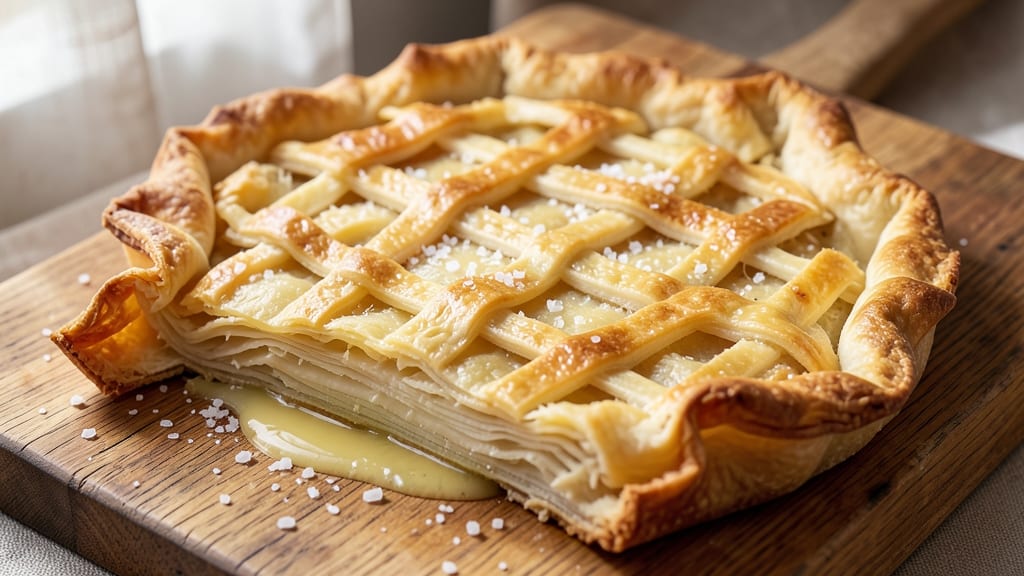
This all butter vodka pie dough recipe delivers the flakiest, most tender crust you'll ever bake—with a subtle boozy depth that transforms ordinary pies into showstoppers. 💛 The secret lies in cold butter and vodka's unique ability to tenderize gluten while enhancing flavor, creating layers so delicate they practically melt in your mouth.
I've perfected this recipe after years of testing, and it never fails to impress even skeptical pie critics.
The vodka isn't just for flavor—it plays a crucial role in developing gluten structure while keeping the dough tender. We'll work with cold butter cut into pea-sized pieces, ensuring maximum surface area for those signature flaky layers.
The chilling process is non-negotiable here; it's what transforms good dough into exceptional dough that holds its shape under fillings without becoming soggy.
What you'll end up with is a golden, shatterproof crust that's crisp yet tender, with a subtle vodka aroma that pairs beautifully with both sweet and savory fillings.
The butter content ensures rich flavor in every bite, while the vodka adds just enough complexity to elevate your pies from homemade to restaurant-quality. This dough is the foundation for everything from classic apple pie to decadent chocolate cream pie.
The best part? Once you master this technique, you'll never go back to store-bought crusts. We'll cover proper chilling methods, rolling techniques, and how to handle the dough without warming it up—critical steps that make all the difference in achieving that perfect texture.
Let's get started on creating the ultimate pie dough foundation.
Ingredients for all butter vodka pie dough
Cold butter, vodka, and flour—this trio creates the ultimate pie dough foundation.
| Ingredient | Amount | Notes |
|---|---|---|
| All-Purpose Flour 🌾 | 3 ½ cups | Sifted for light texture |
| Unsalted Butter 🧈 | 1 ½ cups | Cold, cubed into pea-sized pieces |
| Vodka 🍸 | ¼ cup | High-quality, 40% ABV preferred |
| Ice Water ❄️ | ½ cup | Chilled for proper hydration |
| Diamond Crystal Kosher Salt 🧂 | 1 tsp | Fine grain preferred |
| Granulated Sugar 🍚 | 1 tbsp | Balances butter richness |
| Large Egg Yolks 🥚 | 1 whole | For binding and richness |
The butter is non-negotiable—European-style unsalted like Plugrá or Land O'Lakes European Style gives the best flavor and texture. Grab it from the refrigerated section, not the butter tub at room temperature. The vodka? Smirnoff No. 21 or Grey Goose work perfectly—they're smooth and don't overpower. If you're using a cheaper vodka, let it sit out for 10 minutes to mellow the flavor. The flour should be all-purpose, not self-rising—King Arthur or Gold Medal are my go-tos. Keep everything cold until the last minute—this is what creates those signature flaky layers.
No vodka? Cold coffee or apple juice works in a pinch (same amount), but you'll lose that subtle boozy depth. Running short on butter? Vegetable shortening at half the amount keeps things flaky, though the flavor won't be as rich. The egg yolk is essential—it adds moisture and richness that can't be replicated. If you're making this ahead, wrap the dough in plastic and chill for up to 3 days—it actually improves with time. For a gluten-free version, swap the flour for a 1:1 gluten-free blend, but expect slightly less flaky results.
This dough is best used within 2 days of making it, but it keeps wrapped in the fridge for up to 5 days. For longer storage, wrap tightly in plastic and freeze for up to 3 months. Let it thaw in the fridge overnight before using. The key is to handle it as little as possible—keep everything cold and work quickly when rolling. Once baked, it stays crisp for 3 days at room temperature, perfect for those make-ahead pies.
Why You'll Love This Recipe
- No-Fuss Mixing: I swear by the vodka trick—just toss the cold butter cubes into the flour, pour in the vodka, and pulse until it clumps. No waiting for butter to soften, no sticky mess, no fuss. That’s 10 minutes saved right there.
- Buttery Flavor Bomb: All butter means every bite is rich and golden, while the vodka cuts through the richness for a perfect balance. The crust isn’t just good—it’s ridiculously good, with that crispy edge and tender middle you’ll want in everything from pies to appetizers.
- Pie or Party: This dough works for pies, pot pies, or even a last-minute hand pie for a potluck. Between us, I’ve used it for savory galettes when I forgot to plan dinner. It’s my go-to for any occasion, no matter how unplanned.
- Leftovers? More Like Leftovers: The dough keeps for days in the fridge, and you can even freeze it for months. Honestly, I usually make a double batch—one for now, one for later. And since it’s just flour, butter, vodka, and salt, it’s cheap enough to make without guilt.
Step-by-step instructions for all butter vodka pie dough
Here's how to create the most shatterproof, flavor-packed pie crust with a boozy twist!
👨🍳 Step 1: Mix Dry Ingredients and Cut in Cold Butter
In a large mixing bowl, combine the 3.5 cups of all-purpose flour, 1 tablespoon granulated sugar, and 1 teaspoon Diamond Crystal kosher salt. Whisk just until evenly distributed—you want to avoid developing too much gluten, so don't overmix. This dry blend forms the foundation of our rich, flavorful dough.
Next, add the 1.5 cups of cold, cubed unsalted butter (those pea-sized pieces are key!). Using a pastry cutter or your fingers, work the butter into the flour until you reach a crumbly texture with pea-sized butter pieces still visible. This ensures maximum flakiness in your final crust. If you're using your fingers, press the butter pieces into the flour mixture until they're mostly coated—this prevents large butter clumps that can create tough spots.
🍳 Step 2: Add Vodka and Egg Yolks for Binding
Create a well in the center of your dry mixture and pour in the 0.25 cup vodka and 1 whole large egg yolk. The vodka isn't just for flavor—it helps tenderize the dough by breaking down gluten strands, creating a lighter, more delicate texture. With a fork or wooden spoon, gently mix until the ingredients just come together. You're looking for a shaggy, clumpy dough that still has some dry spots—this indicates proper hydration without overworking.
If the mixture feels too dry, add 1 tablespoon of ice water at a time until the dough begins to hold together when pressed. The vodka and egg yolk should provide enough moisture, but sometimes humidity or flour variations require a little extra. Remember, we want the dough to be just moist enough to form a smooth ball without being sticky.
⏰ Step 3: Chill the Dough for Perfect Texture
Shape the dough into a rough disk, wrap it tightly in plastic wrap, and refrigerate for at least 1 hour—I prefer 2 hours for best results. This chilling step is absolutely critical. It allows the gluten to relax, prevents the butter from melting during rolling, and ensures we get those beautiful flaky layers when baking. The vodka will also mellow slightly, enhancing the flavor without overpowering.
While the dough chills, take a moment to prepare your work surface. Lightly flour a clean countertop and have your rolling pin ready. The cold dough will be firm but pliable—if it feels too stiff after chilling, let it sit at room temperature for 5-10 minutes before rolling. This prevents cracking and makes handling much easier.
🔪 Step 4: Roll and Transfer for Shatterproof Layers
On a lightly floured surface, roll the chilled dough into a 12-inch circle, about 1/8-inch thick. Keep rotating the dough as you roll to maintain even thickness. If it starts to stick, use more flour—but don't overdo it, as excess flour can make the crust tough. The vodka in the dough helps prevent sticking better than regular water-based doughs.
Carefully transfer the rolled dough to a 9-inch pie dish, gently shaping it to fit the bottom and sides. Trim any excess dough hanging over the edge, leaving about 1/2-inch border. For extra flaky layers, you can fold the edge under itself once before crimping. Press the bottom lightly into the pie dish to create good contact with the hot pan during baking.
🔥 Step 5: Blind-Bake for Perfect Crust Support
Preheat your oven to 375°F. Line the unbaked crust with parchment paper and fill it completely with pie weights or dried beans. Bake for 15 minutes, then remove the weights and bake for another 5-7 minutes until the edges are light golden brown. This pre-baking step prevents a soggy bottom when you add your filling later.
The vodka in the dough will create a subtle boozy aroma as it bakes, adding depth to your pie. For an extra touch, you can brush the baked crust with a thin layer of melted butter mixed with a splash of vodka before adding your filling. This creates a beautiful golden finish and enhances that rich, buttery flavor we're after. Let the crust cool slightly before adding your filling—this helps prevent melting during the main baking process.
Pro Tips For Making All Butter Vodka Pie Dough
- Chill the Butter First: Cold butter is non-negotiable here—pull it straight from the fridge and cut it into ½-inch cubes. I learned this the hard way: room-temperature butter melts into a greasy mess instead of forming flaky layers. Even if you’re impatient (yes, even if you’re impatient like me), take 10 minutes to let the butter firm up before mixing.
- Measure Vodka Precisely: Diamond Crystal kosher salt and vodka measurements matter—use a scale for the flour (4 cups = ~500g) and a jigger for the vodka (¼ cup, not eyeballed). Too much vodka makes the dough sticky and hard to roll; too little leaves it dry. I was skeptical until I tried it: the vodka’s job is to tenderize, not drown.
- Work Fast After Mixing: Once the dough comes together, handle it like you’re racing the clock—pat it into a disk, wrap it tightly in plastic, and refrigerate immediately. Letting it sit at room temp for more than 10 minutes makes gluten relax, and you’ll end up with a tough, chewy crust. (Your future self will thank you.)
- Use Ice Water Sparingly: Start with 3 tablespoons of ice water, then add 1 more if needed—no more. Cold water shocks the gluten, but overdoing it turns the dough into a brick. I skip this when I’m lazy, but the dough is noticeably better when I stick to the rule: just enough to bind, not drown.
Essential equipment for great all butter vodka pie dough
Essential Rolling Tools
Invest in a French-style rolling pin with smooth, even edges—I love the OXO Good Grips model. Its tapered shape helps create uniform thickness, and the non-slip handle prevents it from rolling away. For smaller pies or tart shells, a mini rolling pin (like the Norpro 6-inch) works perfectly.
Avoid wooden pins if you're new to pie dough—they require more flour and can absorb moisture, making the dough stickier. 🔥
Pie Dish Selection
Use a 9-inch glass or ceramic pie dish—it distributes heat evenly and creates that perfect golden crust. I prefer Corelle stoneware for its durability and even baking. For deep-dish pies, a 10-inch dish works best, but adjust your dough quantity accordingly.
Avoid dark-colored metal pans—they can over-bake the edges. If you're making free-form pies, a pizza stone or cast iron skillet works beautifully for rustic texture.
Dough Chiller Must-Haves
A vacuum-sealer (like the FoodSaver) is my secret weapon for chilling dough—it creates an airtight seal that prevents drying. For a budget option, plastic wrap works fine, but press it directly against the dough to eliminate air pockets.
Never skip chilling! If you're short on time, place the wrapped dough between two baking sheets and freeze for 20 minutes—this mimics the chilling effect without waiting hours. 💡
Blind-Baking Essentials
For perfect blind-baking, pie weights are non-negotiable—I use Ceramic Pie Weights from Amazon because they're reusable and distribute weight evenly. If you don't have weights, dried beans or rice work in a pinch, but spread them evenly and avoid gaps.
A pastry brush (like the West Bend Silicone Brush) is perfect for brushing melted butter or vodka mixtures onto pre-baked crusts. For extra flaky edges, keep a small offset spatula handy to crimp the dough neatly.
Storage Solutions
For long-term storage, quart-sized freezer bags with the air squeezed out work best—they prevent freezer burn and stack neatly. Label each bag with the date and dough type. When ready to use, thaw the dough in the fridge overnight—never at room temperature.
For short-term storage, airtight containers (like Rubbermaid Brilliance) keep dough fresh for up to 5 days. The vodka in the dough helps preserve freshness longer than traditional recipes. ❄️
Nutrition facts
Frequently asked questions
Why does this recipe use vodka instead of water?
The vodka serves two purposes: it tenderizes the dough by breaking down gluten strands, creating a lighter texture, and adds subtle boozy flavor that enhances the butter's richness. The alcohol evaporates during baking, leaving only that delicious depth. Plus, it helps prevent cracking in the final crust.
Can I make this dough ahead of time?
This dough actually improves with time. Wrap it tightly in plastic and refrigerate for up to 3 days or freeze for 3 months. Thaw overnight in the fridge before using. The longer it rests, the more flavor develops and the flakier it becomes when baked.
What's the secret to getting perfectly flaky layers?
Cold butter is key—keep everything chilled until the last minute. Cut the butter into pea-sized pieces and work quickly when rolling. The vodka helps too by keeping the gluten relaxed. Never skip the 2-hour chilling before rolling or baking.
Can I use this dough for savory pies too?
Yes! The vodka's subtle flavor works beautifully with savory fillings like spinach and cheese or mushroom and caramelized onion. Just brush the baked crust with a little extra vodka mixed with melted butter before adding your filling for that golden finish.
What if my dough cracks when rolling?
This usually happens if the dough warms up too much. Let it chill longer or work in a cooler environment. Keep your rolling surface and tools cold too. If it cracks slightly, just press the edges together gently—they'll seal during baking.