
Desserts
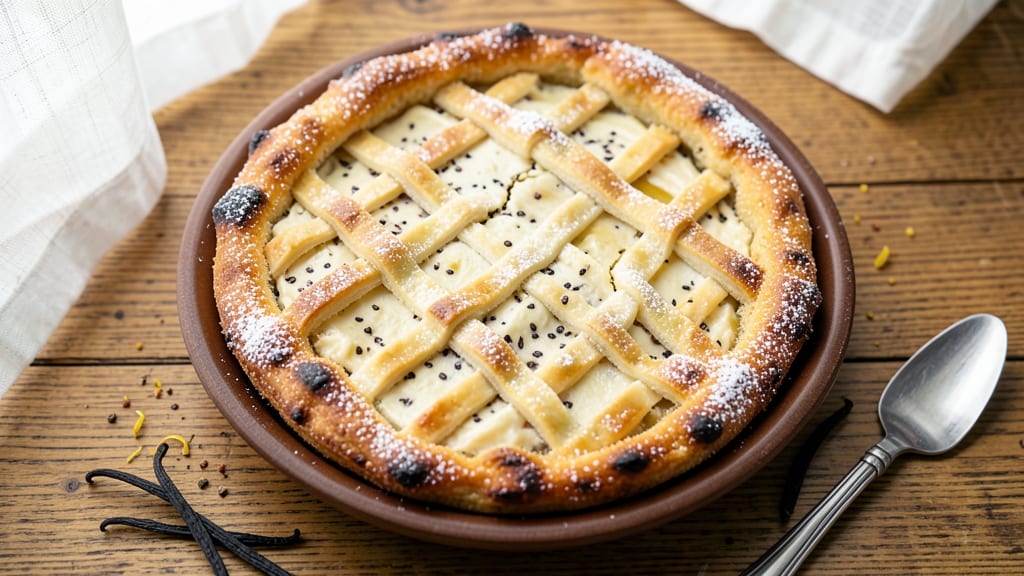
Alison Roman's pie recipe delivers the kind of buttery, golden lattice crust and velvety vanilla bean filling that turns ordinary dessert nights into memorable moments.
The secret lies in her signature cold dough technique—chilled butter and precise rolling create flaky layers that practically melt in your mouth, while the vanilla bean infuses the custard with deep, aromatic warmth. This isn't just dessert; it's a showstopper that commands attention at any table.
The recipe begins with a foolproof double-crust lattice, where Alison's method of cutting strips with a sharp knife ensures clean, even patterns that bake to crisp perfection. Meanwhile, the custard filling—enriched with heavy cream and scraped vanilla bean—develops a silky texture that contrasts beautifully with the flaky crust.
Every element is designed to work together: the lattice's intricate design, the custard's smooth mouthfeel, and that irresistible aroma as it emerges from the oven.
What sets this apart is Alison's attention to detail in both technique and timing. The dough rests overnight for maximum flavor development, while the filling cooks slowly to prevent cracking. The result? A pie that's tender yet sturdy, with a crust so delicate it practically dissolves on your tongue.
This is the kind of dessert that makes you pause mid-slice, savoring each bite as if it were a moment worth remembering.
Perfect for holiday gatherings, dinner parties, or simply treating yourself to something extraordinary. The recipe scales beautifully—whether you're feeding a crowd or just one very deserving person. Let's get started on creating a pie that feels like a hug in every bite.
Ingredients for alison roman pie
Precision ingredients for Alison Roman's legendary flaky lattice crust and velvety vanilla custard.
| Ingredient | Amount | Notes |
|---|---|---|
| All-Purpose Flour 🌾 | 4 cups | Sifted for even texture |
| Unsalted Butter 🧈 | 1 cup | Cold, cubed for flakiness |
| Granulated Sugar 🍚 | ¾ cup | Superfine preferred for smoothness |
| Vanilla Bean 🌿 | 2 whole | Seeds scraped for infusion |
| Heavy Cream 🥛 | 1 ½ cups | Full-fat for richness |
| Large Eggs 🥚 | 4 whole | Room temperature for blending |
| Salt 🧂 | 1 ½ tsp | Diamond Crystal preferred |
| Ice Water 💧 | ½ cup | For dough consistency |
| Granulated Sugar 🍚 | ½ cup | For custard filling |
| All-Purpose Flour 🌾 | ¼ cup | For thickening custard |
| Vanilla Extract 🍯 | 1 tbsp | Pure alcohol-free preferred |
| Cornstarch 🌾 | 2 tbsp | For silky custard texture |
The butter is non-negotiable—Plugrá or European-style from Whole Foods or specialty grocers delivers the fat content needed for those signature flaky layers. Keep it cold and cubed (no melting!) and work quickly to avoid softening. For the vanilla bean, Madagascar Bourbon is ideal—split lengthwise to scrape seeds directly into the custard. If using vanilla extract, Nielsen-Massey is a reliable brand. The flour should be bread flour for structure, but all-purpose works in a pinch. Sift everything before mixing to avoid dense dough.
No vanilla bean? Double the vanilla extract plus a pinch of ground cinnamon mimics the depth. For a lighter crust, replace 0.5 cup butter with cold shortening—it bakes whiter but loses some flavor. The custard can use half-and-half if heavy cream is unavailable, though texture will be slightly less luxurious. Cornstarch is critical for preventing cracks; don't substitute arrowroot. Prefer superfine sugar for the crust to avoid graininess, but regular granulated works if pulsed finely in a food processor.
Store dough discs between parchment paper in the fridge for up to 48 hours—longer resting improves flavor. The custard can be prepped a day ahead and reheated gently. For lattice perfection, chill the rolled dough 30 minutes before cutting strips. Leftovers? The crust reheats beautifully in a 350°F oven for 10 minutes, while custard can be warmed in a double boiler or microwave with a damp paper towel to prevent skinning.
Why You'll Love This Recipe
- You’re using pantry staples: flour, butter, sugar—things you already own. The vanilla bean might feel fancy, but a little goes a long way, and the heavy cream stretches further than you’d think. Plus, it’s the kind of dessert that makes you feel special without breaking the bank.
- No-Fuss Crust: I swear by this recipe because the crust is just flour, butter, and a pinch of salt—no fussing with pie weights or blind baking. The butter gets cut in until it’s pea-sized, and that’s it. Honestly, the result is flaky without being complicated.
- Vanilla Cream Dream: That vanilla bean paste? It’s the star. The heavy cream gets warmed with sugar until it’s silky, then folded with the egg yolks and scraped-in vanilla—no overmixing, no lumps. The first bite of that custardy center with the vanilla whispering through? Ridiculously good.
- Weeknight or Guest Night: Same dough, same filling, but you can serve it warm with ice cream for company or cold straight from the fridge after work. (Yes, even on a Tuesday night.) The sugar crust stays crisp whether it’s fresh or reheated—no sad, soggy bottoms here.
Step-by-step instructions for Alison Roman's vanilla bean pie
Master the technique behind Roman's signature buttery crust and velvety custard filling.
Prepare the Lattice Crust Dough
In a large mixing bowl, combine the 4 cups All-Purpose Flour and 1.5 tsp Salt. Cut in the 1 cup Unsalted Butter using a pastry cutter or your fingers until the mixture resembles coarse crumbs with pea-sized butter pieces remaining. This cold butter creates the signature flaky layers.
Gradually add the 0.5 cup Ice Water, 1 tablespoon at a time, mixing gently with a fork until the dough just comes together. Avoid overmixing—handle only until the dough forms a shaggy mass. Divide the dough into two equal portions, flatten into discs, wrap in plastic, and refrigerate for at least 1 hour or up to 2 days. The cold rest develops gluten structure and prevents shrinking during baking.
Create the Vanilla Bean Custard Filling
In a medium saucepan, whisk together the 1.5 cups Heavy Cream, 0.5 cup Granulated Sugar, 2 tbsp Cornstarch, and 1 tbsp Vanilla Extract. Scrape the seeds from the 2 whole Vanilla Bean and add them to the mixture. Heat over medium-low heat, stirring constantly, until the mixture thickens enough to coat the back of a spoon—about 5-7 minutes. Remove from heat and let steep for 10 minutes to infuse the flavor.
In a separate bowl, whisk the 4 whole Large Eggs lightly. Slowly pour the warm custard mixture into the eggs while whisking continuously to temper them. Return the combined mixture to the saucepan and cook over low heat for another 3-4 minutes, stirring constantly, until it reaches 170°F on an instant-read thermometer. This gentle cooking creates the signature silky texture Roman is known for.
Assemble the Pie
Preheat your oven to 375°F. Roll out one portion of the chilled dough on a floured surface to fit a 9-inch pie dish, leaving a 1-inch overhang. Trim the edges and crimp the crust using your fingers or a fork. Pour the custard filling into the crust, filling it to about ½ inch from the top edge.
Roll out the second portion of dough and cut it into ½-inch wide strips. Arrange the strips in a lattice pattern over the filling, alternating perpendicular strips to create the classic Roman design. Brush the lattice with a beaten egg wash for a golden finish. Bake on the lower oven rack for 40-45 minutes, until the crust is deep golden brown and the filling is set but still slightly jiggly in the center.
Finish and Rest
Remove the pie from the oven and let it cool completely on a wire rack—at least 2 hours is ideal. This resting period allows the custard to fully set and develop its signature texture. The contrast between the crisp lattice crust and velvety filling is what makes this pie truly exceptional.
For serving, cut into wedges and enjoy at room temperature. The pie will keep well in the refrigerator for up to 3 days, though I find it's best enjoyed within the first 24 hours when the flavors are at their peak. The vanilla bean infusion shines through in every bite, creating that authentic Roman touch.
Pro Tips For Making Alison Roman Pie
- Whisk the Cream Cold: Heavy cream loves the cold—literally. Take it straight from the fridge, whisk it in a chilled bowl, and keep everything nearby cold until the last second. I used to let mine sit out while I worked, and the custard would split like a bad joke at a family reunion. Cold cream = smooth filling every time.
- Scrape the Vanilla: Don’t just drop in the whole bean. Split it lengthwise, scrape out every last bit of those tiny black seeds with a knife—even the ones clinging to the sides. My first pie tasted vanilla-adjacent, not vanilla-forward, until I started doing this. Those seeds pack more flavor than you’d think.
- Blind-Bake the Crust: Skip the parchment, but don’t skip the pie weights—or dried beans. Press them right into the crust’s bottom, then bake until it’s set but not browned. I learned this after one soggy bottom that made me question my life choices. The crust should hold its shape like a good first impression.
- Mix Dry Ingredients First: Whisk flour, sugar, and salt together before cutting in the butter. This keeps the sugar from clumping and ensures the butter gets evenly distributed. I used to add sugar last, and the crust would turn into a patchwork of buttery and dry spots. Save yourself the cleanup.
Serving suggestions for this recipe
Classic Vanilla Bean Pairings
Serve your pie with a scoop of homemade vanilla bean ice cream—the same Madagascar Bourbon vanilla you used in the filling—to create a flavor bridge that feels like a warm hug.
I like Ben & Jerry's Phish Food for its creamy texture and subtle vanilla notes, but nothing beats fresh-made. A dusting of powdered sugar or flaky sea salt right before serving enhances the vanilla's sweetness and adds a sophisticated touch. 🥄
Coffee & Tea Companions
A cup of espresso cuts through the richness beautifully, especially if you add a splash of vanilla syrup to your drink. For tea lovers, Earl Grey with its bergamot notes creates an unexpected but delightful contrast.
I also enjoy a chilled glass of milk—the cool temperature helps reset your palate between bites. Avoid overly sweet desserts like chocolate mousse, as they'll compete with the pie's delicate vanilla flavor.
Seasonal Garnishes
For summer gatherings, top each slice with fresh raspberries or blackberries—their tartness balances the custard's sweetness. In fall, I sprinkle toasted pecans or candied walnuts over the pie for crunch and depth.
A drizzle of honey or caramel sauce adds extra richness, especially during holiday celebrations. Keep garnishes minimal to let the pie's natural flavors shine.
Presentation Tips
Use a gold rimmed pie dish or marble serving board to elevate the presentation—both add a touch of elegance. For a rustic touch, serve on a wooden cutting board with a linen napkin underneath.
I like to arrange slices on a slate board with small vanilla bean pods scattered around for a visually stunning centerpiece. The key is to highlight the pie's natural beauty without overwhelming it.
Make-Ahead Serving Plan
Assemble the pie a day ahead and refrigerate—this allows flavors to meld beautifully. Reheat slices in a 350°F oven for 10 minutes to warm through before serving. For large gatherings, prepare individual portions in ramekins with mini lattice crusts.
Store any leftovers in an airtight container for up to 3 days, though I find the pie tastes best within 24 hours. Warm slices gently in the oven to maintain texture.
Nutrition facts
Frequently asked questions
Why does Alison Roman's recipe use cold butter for the crust?
The cold butter creates those signature flaky layers by melting slowly during baking, creating steam pockets between dough layers. This technique is key to Roman's signature texture—never skip chilling the butter! Work quickly to avoid softening while handling.
Can I make this pie without vanilla beans?
Yes, but the flavor will be less complex. Double the vanilla extract (to 2 tbsp) and add a pinch of ground cinnamon to mimic the depth. For best results, use high-quality pure extract like Nielsen-Massey. The vanilla bean's aromatic compounds make it worth seeking out!
How do I fix a soggy bottom crust?
Prevent soggy crusts by pre-baking the bottom crust for 10 minutes at 375°F before adding filling. For extra insurance, sprinkle 1 tbsp cornstarch or crushed graham crackers on the crust before pouring custard. This creates a barrier that absorbs excess moisture.
What's the secret to perfect lattice strips?
Chill the rolled dough for 30 minutes before cutting strips to prevent shrinking. Use a sharp knife or pizza cutter for clean cuts, and keep strips ½-inch wide. Weave them loosely—don't press down on the filling—to maintain that airy, delicate appearance Roman's known for.
Can I use this recipe for a savory pie?
While this recipe is designed for sweet custard, you can adapt it! Replace the vanilla filling with a savory option like spinach and feta, or chicken and mushroom. The lattice crust works beautifully with both sweet and savory fillings—just adjust baking time as needed. The key is keeping the custard method for smooth texture.