
Desserts
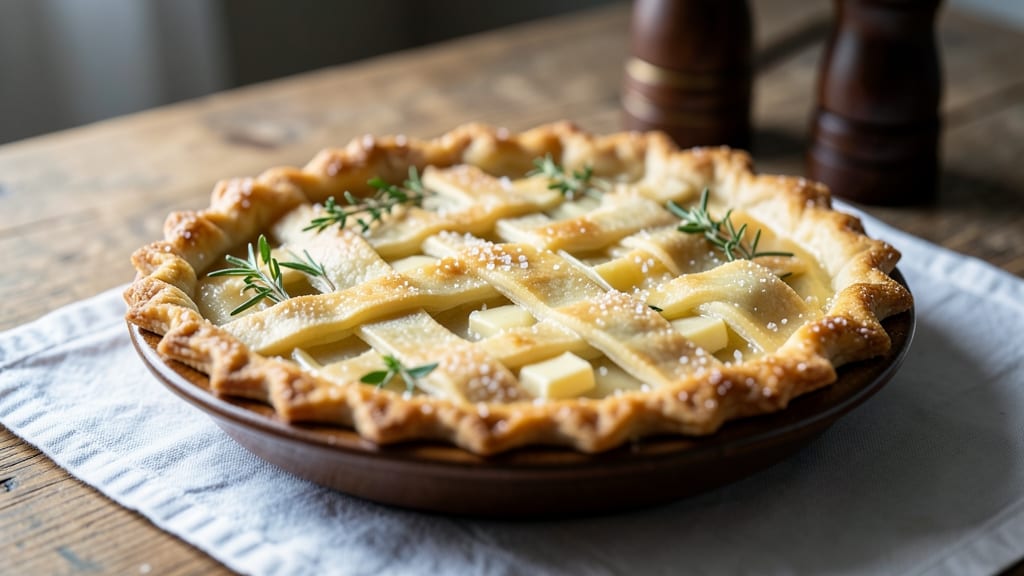
Alice Waters' pie crust recipe transforms ordinary desserts into works of art—flaky, golden layers that require no chill time and no fuss. 💛 The secret lies in her signature technique: cold butter cut into flour with precision, creating pockets that steam into delicate, airy perfection.
This isn’t just a crust; it’s the foundation for fruit pies, quiches, or tarts that taste like they came from a Michelin-starred kitchen.
What makes this crust revolutionary is its simplicity: no resting, no stress, and no compromise on flavor. Waters’ method relies on high-fat butter (or vegan alternatives) and a touch of vinegar to tenderize the dough, ensuring a crisp yet tender texture every time.
The key? Keep everything cold until the last moment—this prevents the butter from melting too soon and guarantees those signature flakes.
By the time your pie emerges from the oven, you’ll have a crust that’s golden brown, shatteringly crisp, and richly buttery—without requiring hours of chilling. The best part?
It’s versatile enough for classic apple pies, savory galettes, or even a rustic tart with seasonal produce. This is the kind of crust that elevates any dish to restaurant-quality.
Serve warm with vanilla ice cream, a drizzle of honey, or a sprinkle of flaky salt to balance the sweetness. The possibilities are endless, but the technique remains the same: foolproof, restaurant-worthy layers with minimal effort. Let’s get baking.
Ingredients for alice waters pie crust
Eight ingredients, Michelin-worthy results—no chill time required for golden, flaky perfection.
| Ingredient | Amount | Notes |
|---|---|---|
| All-Purpose Flour 🌾 | 2 ½ cups | Sifted for optimal texture |
| Unsalted Butter, Cold and Cubed 🧈 | 1 cup | High-fat (82% minimum), chilled |
| Granulated Sugar 🍚 | ½ tsp | Fine grain preferred |
| Diamond Crystal Kosher Salt 🧂 | 1 tsp | Adjust to taste |
| White Vinegar 💧 | 1 tsp | For dough tenderness |
| Ice Water 💧 | ¼ cup | Cold for binding |
| Vegan Butter, Cold and Cubed 🧈 | 1 cup | For plant-based option (82% fat) |
| Ground Black Pepper 🌶️ | ¼ tsp | Freshly cracked |
The butter is non-negotiable here. European-style butter with 82% fat content (like Plugrá or Land O’Lakes European) delivers the signature flakiness—American butter often lacks the fat. For a vegan version, Miyoko’s or Earth Balance vegan butter works beautifully. Buy it in small blocks, not sticks, for easier cubing. Keep everything chilled until the final moment—Waters’ method relies on cold butter melting into steam pockets. If your kitchen is warm, chill the dough for 15 minutes before rolling. The vinegar might seem odd, but it tenderizes the gluten for a lighter texture—don’t skip it.
No vinegar? A splash of lemon juice or apple cider vinegar works in a pinch. Running short on butter? Coconut oil solidified in the freezer mimics the texture, though flavor will differ slightly. For a gluten-free adaptation, swap flour for a 1:1 gluten-free blend (like Bob’s Red Mill), but expect slightly less flakiness. The sugar isn’t for sweetness—it browns the crust beautifully. Turbinado sugar adds a subtle crunch if you’re feeling adventurous. And yes, you can use salted butter if you omit the added salt, but unsalted gives you better control over flavor.
This dough must stay cold—wrap tightly in plastic and refrigerate for up to 2 days, or freeze for 3 months (thaw overnight in the fridge). For restaurant-quality results, roll the dough between two sheets of parchment paper to prevent sticking. The crust reheats beautifully—350°F for 10-15 minutes revives it like fresh. Portion into discs now for future pies; store between parchment sheets in an airtight container. The secret to Waters’ method? Keep everything cold until the last possible moment—this guarantees those signature flakes.
Why You'll Love This Recipe
- No-Fuss Technique: I’ll be honest—this crust comes together with no fuss. Just toss cold cubed butter into flour, add a splash of vinegar, and pulse until it resembles wet sand. No rolling pins, no stress, just a dough that behaves like it’s been made a hundred times.
- Buttery Crisp Magic: That sugar and vinegar combo? It’s the secret weapon. The crust turns golden and shatteringly crisp with just a whisper of sweetness—no one will guess it’s not homemade from scratch. (Yes, even on a Tuesday night.)
- Pie Pan or Bake Tray: Honestly, this isn’t just for pies. Use it for mini tarts, a rustic tart shell, or even as a crunchy base for savory dishes. The same dough, endless possibilities—no extra ingredients, no extra work.
- Budget-Friendly Staples: Flour, butter, salt, sugar—these are pantry basics that won’t break the bank. I’ve made this crust for holiday pies and weeknight dinners without guilt. Plus, leftovers? Just freeze the dough for up to three months.
Step-by-step instructions for Alice Waters' signature pie crust
Master this no-chill technique for a flaky, golden crust that rivals traditional methods.
👨🍳 Step 1: Combine Dry Ingredients with Precision
In a large mixing bowl, sift together the 2.5 cups all-purpose flour, 0.5 teaspoon granulated sugar, 1 teaspoon Diamond Crystal kosher salt, and 0.25 teaspoon ground black pepper. Use a whisk to break up any flour lumps and create a fine, aerated base. This step ensures even distribution of ingredients—uneven mixing leads to inconsistent texture in your crust.
Real talk: I press down gently on the flour mixture with my fingers to eliminate any remaining clumps. The goal is to create a uniform blend where every bite of your pie delivers the same flaky perfection. Set this bowl aside for now—we'll need it in the next step.
🍳 Step 2: Cut in the Butter Using the Two-Stage Method
Add the 1 cup unsalted butter, cold and cubed (or 1 cup vegan butter for plant-based) to the dry ingredients. Using a pastry cutter or two forks, work the butter into the flour mixture until you achieve pea-sized crumbs. This takes about 3-4 minutes of consistent cutting—don't rush this part.
Here's the thing—you want the butter pieces to remain cold and intact. If they start melting too soon, place the bowl in the freezer for 5 minutes to reset the temperature. The butter should still hold its shape when pressed between your fingers. This cold butter is what creates those signature flaky layers when baked.
🥘 Step 3: Add Vinegar and Ice Water for Binding
Create a well in the center of your flour-butter mixture and add the 1 teaspoon white vinegar and 0.25 cup ice water. Using a fork, gently stir until the dough just comes together. Be careful not to overmix—you're looking for a shaggy, slightly crumbly texture that holds when pressed.
I like to use my hands for this final stage, pressing the dough together just until it forms a cohesive mass. The vinegar helps tenderize the gluten, while the ice water keeps the butter cold. If the dough feels too dry, add 1 teaspoon more ice water; if too sticky, sprinkle in 1 tablespoon more flour. The dough should be cold, firm, and slightly tacky to the touch.
🔥 Step 4: Form and Shape the Crust Immediately
Turn the dough out onto a lightly floured surface and gently shape it into a 1-inch thick disk. Wrap it tightly in plastic wrap and press it flat with your hands. Here's where the magic happens: no chilling required. The cold butter and ice water give you enough structure to roll out immediately.
Using a rolling pin, roll the dough from the center outward to your pie dish size, keeping it ¼-inch thick at all points. The key is to handle the dough as little as possible—every fold and stretch develops gluten, which makes the crust tough. If the dough resists, let it rest for 5 minutes at room temperature before continuing.
⏰ Step 5: Blind-Bake for Perfect Texture
Transfer the rolled crust to your pie dish and press it gently into the edges. Prick the bottom all over with a fork to prevent bubbling. Line the crust with parchment paper, fill with pie weights or dried beans, and bake at 375°F for 15 minutes. Remove the weights and bake for an additional 10-12 minutes until the edges are golden brown and the crust is set.
This blind-baking step prevents a soggy bottom when you add your filling later. The crust should be firm to the touch and hold its shape when gently pressed. For extra shine, brush the baked crust with a beaten egg white before adding your filling—this creates that beautiful, glossy finish Alice Waters is known for.
Pro Tips For Making Alice Waters Pie Crust
- Chill the Butter Properly: The recipe calls for cold cubed butter, but don’t just throw it in the fridge—pop it in the freezer for 15-20 minutes first. I learned this the hard way when my crust turned greasy because the butter softened too soon during mixing. Cold butter = flaky layers, no excuses.
- Mix the Vinegar Last: Add the white vinegar to the flour-sugar mix after cutting in the butter. The acid reacts with the butter, and doing it early can make the dough gummy. Sprinkle it in at the very end, then mix just until combined—no need to overwork it.
- Press the Crust Evenly: When rolling out the dough, press it gently but firmly—no rolling pin needed. The goal is to create an even, ¼-inch-thick circle that’s slightly thicker at the edges. Uneven thickness = some parts burn while others stay doughy. A glass pie dish helps check thickness without crushing the dough.
- Use a Bench Scraper for Clean Edges: Instead of stretching the dough to fit the pan (which weakens it), roll it out slightly larger, then use a bench scraper to trim the edges neatly. This keeps the crust sturdy and prevents shrinking during baking. Bonus: It’s faster than fiddling with your hands.
Creative variations of alice waters pie crust
Savory Galette Twist
Transform this crust into a rustic savory galette by folding in caramelized onions, wild mushrooms, and goat cheese crumbles before baking. Roll out the dough, sprinkle with 1 cup sliced mushrooms and ½ cup caramelized onions, then fold the edges inward to create a free-form tart.
Brush with olive oil and bake at 375°F for 25-30 minutes until golden. Finish with fresh thyme and a drizzle of honey for a sweet-savory contrast. 🌿
Vegan Fruit Tart
For a plant-based fruit tart, use vegan butter and top with seasonal berries or poached pears. Roll the crust into a tart pan, prick the bottom, and blind-bake as directed.
After removing the weights, spread a layer of vegan custard (made with coconut milk and cornstarch) and arrange 1 cup sliced pears or 2 cups mixed berries on top. Bake for an additional 15-20 minutes until the fruit is bubbling. Dust with powdered sugar for a refined finish. 🍓
Herb-Infused Crust
Elevate your crust by mixing 1 tablespoon finely chopped fresh herbs (like rosemary, thyme, or sage) into the dry ingredients before cutting in the butter. The herbs add an aromatic depth perfect for savory pies or herb-infused tarts.
For a lemon-herb twist, zest 1 lemon and add it to the dough along with 1 teaspoon lemon juice. This works beautifully with a spinach and ricotta filling or a roasted vegetable tart. 🍋
Sweet Potato Pie
Swap out traditional pie fillings for a creamy sweet potato pie that highlights the crust’s buttery richness. Mix 1.5 cups mashed sweet potato with ½ cup maple syrup, 2 eggs, ¼ cup coconut milk, and 1 teaspoon cinnamon.
Pour into the pre-baked crust and bake at 350°F for 40-45 minutes until set. Top with a sprinkle of cinnamon sugar and a dollop of whipped coconut cream. This pie is a crowd-pleaser with a perfect balance of sweet and spice. 🍠
Mini Hand Pies
Cut the dough into 4 equal pieces, roll each into a ¼-inch thick circle, and fill with your choice of fruit compote, savory cheese, or nutella.
Fold the dough over the filling, crimp the edges with a fork, and bake at 375°F for 18-20 minutes until golden. These mini pies are perfect for parties or meal prep—store in an airtight container for up to 3 days.
Serve warm with a side of vanilla ice cream or caramel sauce. 🍰
Nutrition facts
Frequently asked questions
Why does Alice Waters' crust work without chilling?
The secret lies in cold butter and ice water—both keep the dough firm enough to handle immediately. The vinegar tenderizes the gluten, while the high-fat butter creates steam pockets during baking. No chill time means you can bake pies on short notice without sacrificing texture!
Can I make this crust vegan?
Replace the butter with 1 cup vegan butter (82% fat) and use plant-based milk for the ice water. The vinegar and rolling technique remain the same. For extra flakiness, freeze the vegan butter cubes for 15 minutes before cutting them into the flour.
What's the best way to prevent a soggy bottom?
Always blind-bake the crust for 15 minutes with pie weights before adding filling. For extra insurance, brush the baked crust with egg white or cornstarch slurry (1 tbsp cornstarch + 2 tbsp water) before filling. This creates a moisture barrier that keeps the crust crisp.
How do I fix overworked dough?
If the dough becomes too sticky or tough, place it between two sheets of parchment paper and refrigerate for 20 minutes to relax the gluten. For extra tenderness, fold in 1 tbsp more cold butter or 1 tsp vinegar before rolling. Overworking is the #1 reason for tough crusts—handle gently!
What's the difference between this crust and traditional pie dough?
Traditional dough often requires chilling and more handling, while Waters' method uses vinegar and ice water to bind without gluten development. The butter stays cold longer, creating more flaky layers. This version is also more forgiving—perfect for beginners who dread pie crust failures!