
Desserts
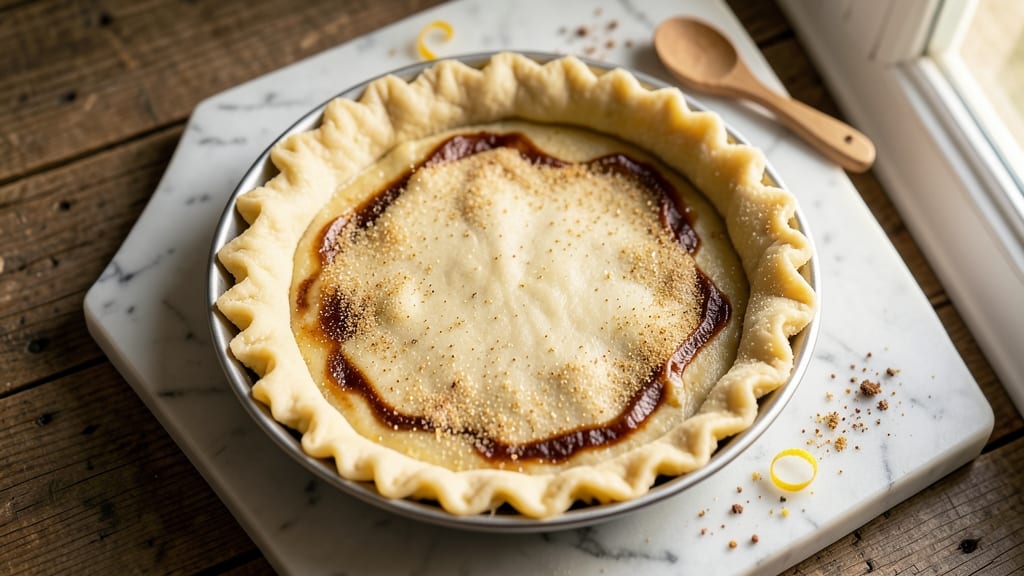
This 9-inch butter pie crust recipe delivers the perfect foundation for any dessert—flaky, shatterproof layers that hold their shape under even the heaviest fillings. The secret lies in keeping the butter cold and working quickly, a technique that transforms basic ingredients into a restaurant-worthy crust.
I've perfected this method over years of baking pies, and it never fails to impress, whether you're making a classic apple pie or a rich chocolate tart.
The process is straightforward but requires attention to detail: cutting cold butter into flour until pea-sized crumbs form, then gently pressing the dough into a pan. This ensures the butter stays in distinct layers, creating those signature flaky textures when baked.
The crust is sturdy enough for blind-baking quiches or pies, yet delicate enough to hold fillings without sogginess.
What you'll achieve is a golden-brown, crisp-edged crust with tender layers that melt in your mouth. The high fat content from cold butter creates that signature flakiness, while the precise technique ensures it doesn't shrink or crack during baking.
This is the kind of crust that makes even novice bakers look like pros.
Use it for sweet pies, savory tarts, or even as a base for cheesecakes. The versatility of this crust makes it a must-have in any baker's repertoire, and once you try it, you'll never go back to store-bought again. Let's get started on creating your perfect crust.
Ingredients for 9 inch butter pie crust
Four simple ingredients create a restaurant-quality pie crust with flaky layers and golden edges.
| Ingredient | Amount | Notes |
|---|---|---|
| All-Purpose Flour 🌾 | 2 ½ cups | Sifted for best texture |
| Unsalted Butter 🧈 | 1 cup | Cold, cubed into 1/2-inch pieces |
| Granulated Sugar 🍚 | ¼ cup | For slight sweetness |
| Large Egg Yolks 🥚 | 1 whole | For binding and richness |
| Ice Water 💧 | ⅓ cup | Chilled for dough stability |
| Diamond Crystal Kosher Salt 🧂 | ½ tsp | Fine grain preferred |
| Vanilla Extract 🌸 | ½ tsp | Optional for subtle flavor |
| Cornstarch 🌾 | 1 tbsp | Prevents sticking during blind baking |
The butter is non-negotiable here—use unsalted sticks straight from the fridge. Cut it into even 1/2-inch cubes so it melts uniformly during baking. Store-brand butter works fine, but if you're feeling fancy, Plugrá or Land O'Lakes unsalted are reliable. The flour? King Arthur or Gold Medal are my go-tos—they're finely milled and consistent. Skip pre-sifted flour; sifting yourself removes lumps and aerates the dough for better layers. If you're in a rush, pulse it in a food processor instead of sifting by hand.
No egg yolks? 1 tbsp cold water plus 1 tbsp cornstarch mimics the binding effect (though the crust won't be quite as rich). Short on butter? Substitute 3/4 cup shortening, but expect less flavor and flakiness. The vanilla is truly optional—it's more about tradition than necessity—but if you're making a sweet pie, it adds a lovely aroma. For the salt, Diamond Crystal is less dense than Morton, so use slightly less if you're swapping. And if your dough feels too dry, add 1 tsp ice water at a time until it just holds together when pressed.
This dough keeps for 3 days wrapped tightly in plastic in the fridge, or 3 months frozen between parchment paper. For freezing, flatten it into a disk before wrapping—it thaws faster and maintains shape. Blind-bake your crusts for 15 minutes at 375°F before adding fillings, and always use pie weights or dried beans to prevent puffing. Leftovers? Roll them out again for hand pies or mini tarts—waste not, want not.
Why You'll Love This Recipe
- No-Fuss Assembly: I swear by this crust—just pulse the flour, cut in cold butter until it’s pea-sized, then fold in yolks and ice water. No rolling pins, no stress, and that sugar? It keeps the edges golden without burning.
- Buttery Crunch Magic: That sugar isn’t just for looks—it caramelizes into a crispy lattice while the butter stays flaky inside. One bite and you’ll forget about store-bought crusts. (Yes, even the ones that cost $10.)
- Pie Pan or Party Pan: Use it for pies, of course, but also as a crispy base for savory dishes or a shortcut for homemade pizza dough. My kids beg for it under mac ‘n’ cheese—no one’s complaining.
- Budget-Proof Perfection: Five ingredients, all pantry staples, and it stretches to feed six. Leftovers? Freeze half the dough for next month’s dessert emergency. (Trust me, you’ll thank me in December.)
Step-by-step instructions for 9-Inch butter pie crust
Cold butter layers create the secret to a shatterproof crust—let's build yours with precision.
Combine Dry Ingredients for Perfect Texture
In a large bowl, whisk together the 2.5 cups all-purpose flour, 0.25 cup granulated sugar, 0.5 tsp Diamond Crystal kosher salt, and 1 tbsp cornstarch. I sift the flour first to eliminate any lumps—this ensures your crust will be light and flaky rather than dense. The sugar adds subtle sweetness that pairs beautifully with fruit fillings, while the cornstarch prevents sticking during blind baking.
Add the 0.5 tsp vanilla extract to the dry mixture and stir well. The vanilla might seem like an odd addition to a crust, but it adds a subtle depth of flavor that complements both sweet and savory fillings. Set this mixture aside while you prepare the cold butter.
Cut in Cold Butter for Flaky Layers
Place the 1 cup unsalted butter, cut into ½-inch cubes, in the bowl with the dry ingredients. Using a pastry cutter or two forks, work the butter into the flour mixture until you reach a coarse crumb texture with pea-sized butter pieces remaining. This is crucial—overworking the butter will create a tough crust, while underworking leaves large butter lumps that won't melt evenly.
I press down on the butter pieces with my fingers to ensure they're fully coated in flour. The butter should be cold but not rock-hard—if it feels too soft, chill the mixture for 10-15 minutes before proceeding. The goal is to create those delicate butter layers that will create steam during baking, resulting in a light, airy crust.
Add Wet Ingredients and Form the Dough
In a separate small bowl, whisk together the 1 whole large egg yolk and 0.33 cup ice water. The ice water is key—it keeps the butter from melting too quickly during mixing. Gradually add the wet ingredients to the dry mixture, mixing just until the dough comes together. Avoid overmixing; you want to preserve those butter layers we worked so hard to create.
Once the dough forms a shaggy mass, turn it out onto a lightly floured surface and gently knead it 4-5 times just to bring it together. The dough should be cool to the touch and slightly crumbly—this is normal. Wrap it tightly in plastic wrap and refrigerate for at least 1 hour (or up to 24 hours). Chilling relaxes the gluten and makes rolling out much easier.
Roll and Fit the Crust Perfectly
On a lightly floured surface, roll the chilled dough into a 9-inch circle, about ⅛-inch thick. I use a ruler to check the thickness—consistent thickness ensures even baking. Gently transfer the dough to a 9-inch pie dish, letting it drape slightly over the edges. This extra dough will be trimmed later, but it helps prevent shrinking during baking.
Press the dough gently but firmly into the pie dish, using your fingers to shape it evenly. The edges should be about ½-inch thick—this creates a sturdy rim. Trim any excess dough hanging over the edge with a sharp knife. For a decorative edge, you can crimp the dough using your fingers or a fork. Place the pie dish on a baking sheet to catch any filling drips.
Blind Bake for a Perfect Foundation
Preheat your oven to 375°F. Line the chilled crust with parchment paper, then fill it completely with pie weights or dried beans. Bake for 15 minutes, then remove the weights and bake for another 10-12 minutes until the edges are golden brown and the crust is fully set. The parchment prevents puffing, while the weights ensure the bottom bakes evenly without getting soggy.
Let the baked crust cool completely before adding your filling. This prevents the filling from making the crust soggy. The result should be a shatterproof, golden-brown crust with a delicate crumb that's perfect for both sweet and savory pies. This method works equally well for fruit pies, cream pies, or even savory quiches.
Pro Tips For Making 9 Inch Butter Pie Crust
- CHILL THE BUTTER FIRST: Take that unsalted butter straight from the fridge—yes, even if it’s tempting to soften it fast. Cold butter creates flaky layers, and this crust needs them. Cut it into cubes, toss them in the freezer for 5 minutes, then pulse in the food processor. Trust me, the difference in texture is night and day.
- WEIGH THE FLOUR: Scooping flour from the bag is a recipe for disaster—literally. Use a kitchen scale for the all-purpose flour; 250 grams is your target. Pack it lightly into the measuring cup if it’s fluffy, but don’t tamp it down. Overpacking makes the crust dense, and no one wants a brick for their pie.
- WORK FAST WITH ICE WATER: The moment you add ice water to your dough, time’s up—don’t dawdle. Mix it in just until the dough comes together, then stop. Overworking it turns the butter to soup, and you’ll end up with a sad, greasy mess. Two tablespoons at a time, and only when needed.
- PRESS THE CRUST LOW: Don’t be shy when you press that dough into the 9-inch pan. Use your fingers to smooth it out, then press the bottom lightly with a glass or your palm—just enough to fill the crevices. A thin, even layer prevents soggy bottoms, and a little sugar in the crust? It’s worth the effort for that caramelized edge.
Wine and beer pairings for this recipe
Sweet Dessert Wines
For fruit-filled pies like apple or berry, I reach for Moscato d'Asti—its light sweetness and floral notes complement the natural sugars in the fruit.
A chilled glass of Riesling (especially off-dry styles from Germany) balances tart fillings beautifully, while Sauternes adds luxurious depth to rich desserts like chocolate cream pies. 🍷
Dry Sparkling Wines
When pairing with custard or cheesecake pies, Prosecco or Cava cut through the richness with their crisp acidity. I prefer La Marca Prosecco for its bright citrus and green apple flavors that refresh the palate.
For a more robust option, Champagne (like Moët Impérial) elevates savory pies with its toasty notes.
Beer Pairings
A Belgian witbier (such as Hoegaarden) works wonders with fruit pies, thanks to its coriander and citrus undertones. For cream pies, try a honey ale—the caramel sweetness mirrors the dessert's richness. I also love Heineken with savory pies; its subtle maltiness enhances flavors like caramelized onions or bacon.
After-Dinner Options
If serving pie as a dessert course, consider Port wine—its nutty, raisin-like profile pairs perfectly with spiced fruit pies. For a lighter finish, Vin Santo (a sweet Italian dessert wine) complements citrus or berry fillings. Always serve wine slightly cooler than room temperature for optimal flavor. 🍷
Nutrition facts
Frequently asked questions
Why does this crust need to chill for so long?
Chilling for at least 1 hour (or up to 24 hours) relaxes the gluten in the dough, making it easier to roll out without tearing. The cold butter stays firm, preventing it from melting too quickly during baking, which is key for those signature flaky layers. Patience here prevents a tough, dense crust!
Can I make this crust ahead of time?
This dough keeps for 3 days wrapped tightly in plastic in the fridge, or 3 months frozen between parchment paper. For freezing, flatten it into a disk before wrapping—this makes thawing faster and maintains shape. Just let it sit at room temperature for 30 minutes before rolling to prevent cracking.
What's the best way to prevent a soggy bottom?
Always blind-bake your crust for 15 minutes at 375°F before adding fillings. Use pie weights or dried beans to keep the bottom flat, and line the crust with parchment paper to prevent puffing. Let the baked crust cool completely before filling—this prevents moisture from seeping in and ruining your hard work.
Can I use this crust for savory pies too?
Yes! This versatile crust works beautifully for savory dishes like quiches or pot pies. The sugar in the recipe adds subtle sweetness that won't overpower savory fillings, and the high butter content creates a rich, satisfying texture. Just reduce the sugar to 1/4 tsp if you prefer a more neutral flavor.
Why does my crust shrink when baking?
Shrinking usually happens when the butter melts too quickly or the dough isn't chilled enough. To fix this, ensure your butter stays cold, work quickly when rolling, and let the dough rest for the full 1 hour in the fridge. Also, press the dough gently into the pie dish—don't stretch it—and leave a slight overhang for extra support.