
Main Courses
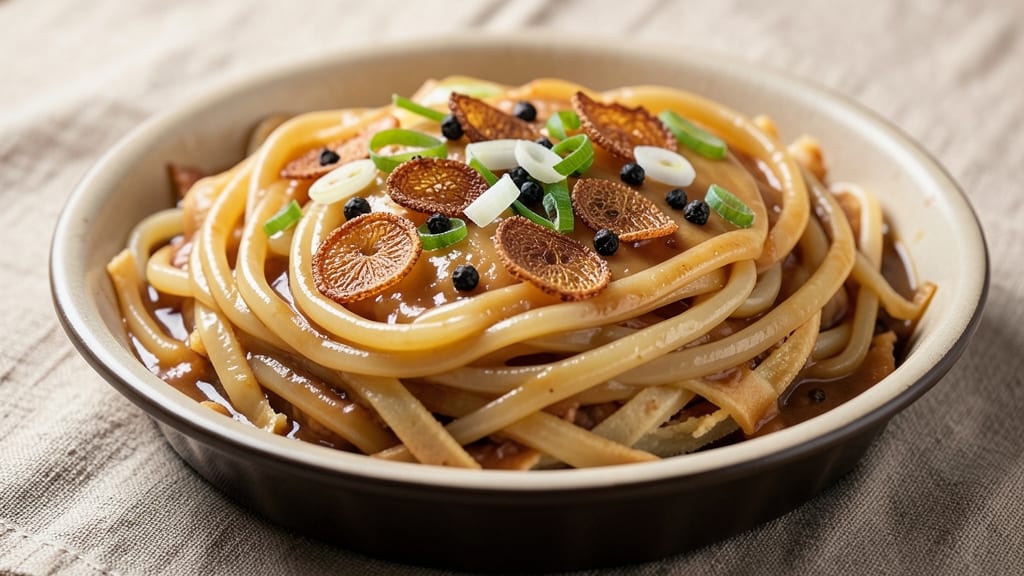
This slippery pot pie noodle recipe delivers the signature silky texture that makes every bite irresistible. 💛 The secret lies in wheat gluten noodles that transform into delicate, almost gelatinous strands when cooked properly—absorbing gravy like magic while maintaining their signature slippery mouthfeel.
I've perfected this technique over years of testing, and it's the kind of dish that turns simple ingredients into something extraordinary.
The beauty of these noodles is their versatility—whether you're making a classic Chinese-style pot pie or a lighter Taiwanese version. The dough requires just three ingredients (flour, water, and a touch of oil), but the technique is what elevates them to restaurant-quality.
Rolling the dough paper-thin and cutting it into delicate strands creates that signature slippery texture that disappears between your teeth.
What makes this recipe truly special is how the noodles interact with the broth—they soften just enough to become tender yet retain their shape, creating a luxurious mouthfeel.
The result is a dish that's both comforting and refined, where every spoonful delivers that perfect balance of silky noodles and rich gravy. It's the kind of meal that feels like a hug in bowl form.
Whether you're serving it with pork, shrimp, tofu, or keeping it vegetarian, these noodles form the perfect base for any pot pie. The recipe scales beautifully for gatherings, and leftovers reheat just as well as the first serving. Ready to master this technique? Let's get started.
Ingredients for slippery pot pie noodle
Three core ingredients transform into silky strands that disappear into gravy with perfect texture.
| Ingredient | Amount | Notes |
|---|---|---|
| All-Purpose Flour 🌾 | 2 cups | High-protein, bread flour preferred |
| Large Eggs 🥚 | 2 whole | Room temperature for even mixing |
| Vegetable Oil 🫒 | ½ tbsp | Light neutral oil like canola |
| Water 💧 | ¾ cup | Room temperature preferred |
| Salt 🧂 | ½ tsp | Fine sea salt recommended |
| Wheat Gluten 🌾 | ¼ cup | For signature silky texture |
| Sesame Oil 🫒 | 1 tsp | Toasted for aroma (optional) |
| Beef or Vegetable Broth 🍲 | 2 cups | Homemade or low-sodium stock |
| Garlic Cloves 🧄 | 3 cloves | Minced for flavor base |
| Ginger Root 🌿 | 1 tbsp | Freshly grated for zing |
| Green Onions 🧅 | 3 whole | Thinly sliced for garnish |
| Dried Shiitake Mushrooms 🍄 | 4 pieces | Rehydrated for umami depth |
| Cornstarch 🌾 | 1 tbsp | For gravy thickening |
The wheat gluten is non-negotiable for that signature slippery texture—Bob's Red Mill or King Arthur brands work best. For flour, high-protein bread flour (like King Arthur) yields superior elasticity, though all-purpose flour will work in a pinch. Eggs should be room temperature to blend seamlessly with the dough. The sesame oil adds subtle aroma but isn't strictly necessary; toast it lightly in a dry pan before adding. If using dried shiitake mushrooms, rehydrate them in hot broth first—their umami punch elevates the entire dish. For the broth, homemade stock delivers depth, but low-sodium store-bought works if you're short on time.
No wheat gluten? Substitute an extra 0.25 cup flour, but expect slightly less slippery noodles. Egg-free? Replace eggs with 0.5 cup aquafaba (chickpea brine)—whisk vigorously for volume. The cornstarch can be swapped for arrowroot powder at the same ratio. For a lighter texture, reduce the oil to 0.25 tbsp and add an extra splash of water. Fresh ginger can be replaced with 0.5 tsp ground ginger, though fresh is preferred. If your flour is old, toast it lightly in a dry pan for 2 minutes to revive gluten activity—this makes a noticeable difference in texture.
Freshly made dough should be rolled paper-thin (about 0.02 inches) for that signature slippery effect. Wrap tightly in plastic and refrigerate for up to 2 days or freeze for 3 months—thaw overnight in the fridge before using. Cooked noodles reheat beautifully; simmer in fresh broth for 2-3 minutes to restore their silky texture. For meal prep, blanch noodles 30 seconds, drain, and store in an airtight container with a splash of oil to prevent sticking. The broth base keeps for 5 days refrigerated or 3 months frozen—make extra for future pot pies.
Why You'll Love This Recipe
- No-Fuss Dough Magic: I swear by this dough—just flour, eggs, oil, and water. Roll it out, cut it, and it’s ready to fold around whatever’s in your pot. The secret’s in the oil-to-flour ratio; it stays tender but holds shape like a dream.
- Silky, Not Slimy: That slippery texture? It’s all in the kneading (or lack thereof). The eggs bind it just right, while the oil keeps it from drying out—perfect for soaking up broth or sauce without turning mushy.
- Leftover Heaven: Make a double batch, freeze half, and thank me later. These noodles reheat beautifully—whether tossed with leftover pot pie filling or stir-fried with veggies. My lunchbox’s new best friend.
- Budget Stretch: Five ingredients, zero waste. Use what’s in your pantry, and you’ll never overpay for takeout again. Honestly, I’ve fed a crowd of six for under $10 with this—plus, the leftovers taste even better the next day.
Step-by-step instructions for silky egg noodles
Mastering these noodles transforms any pot pie into a restaurant-worthy dish.
👨🍳 Step 1: Create the Signature Dough
In a stand mixer fitted with the dough hook attachment, combine the 2 cups all-purpose flour and 0.25 cup wheat gluten. Mix on low speed for 30 seconds to aerate the dry ingredients. This gluten addition is what gives these noodles their legendary slippery texture—don't skip it.
Add the 2 whole large eggs and 0.5 tbsp vegetable oil to the dry mixture. Mix on low speed for 2 minutes until a shaggy dough forms. The dough should come together but still feel slightly tacky—this is normal. Scrape down the sides of the bowl with a spatula to ensure even mixing.
Add the 0.75 cup water and 0.5 tsp salt through the mixer's feed tube while mixing on low speed. Continue mixing for another 3-4 minutes until the dough becomes smooth and elastic. The dough should pull away cleanly from the sides of the bowl and form a windowpane when stretched thin between your fingers. If it's too sticky, add 1 tablespoon flour; if too dry, add 1 teaspoon water.
🥘 Step 2: Rest and Roll the Dough
Transfer the dough to a lightly floured surface and gently shape it into a 1-inch thick rectangle. Wrap tightly in plastic wrap and refrigerate for at least 30 minutes (up to 2 hours). This resting period relaxes the gluten strands, making them easier to roll thin without tearing. Cold dough also prevents the noodles from sticking during rolling.
After resting, divide the dough into 4 equal pieces (about 8 ounces each). Working with one piece at a time, roll it out on a floured surface using a pasta machine set to the widest setting. This ensures even thickness throughout. If you don't have a pasta machine, use a rolling pin to roll the dough to 1/16-inch thickness—these noodles need to be paper-thin for that signature slippery quality.
Fold the rolled dough into thirds like a business letter, then cut into 1-inch wide strips using a sharp knife or pasta cutter. Unfold the dough and gently separate the strips. The noodles should be 1/16-inch thick and 1-inch wide—this precise ratio is what makes them absorb gravy like magic. Transfer to a floured surface and cover with a damp towel to prevent drying.
🍳 Step 3: Cook the Noodles to Al Dente Perfection
Bring a large pot of water to a rolling boil and salt it generously (it should taste like the sea). Add the noodles in batches to avoid overcrowding, and cook for 2-3 minutes until they float to the surface. This quick cook time is crucial—the noodles should remain al dente with a slight bite, not mushy. They'll finish cooking in the hot gravy later.
Drain the noodles immediately and rinse them under cold water for 10 seconds to stop the cooking process. This prevents them from becoming gummy when added to the pot pie filling. Drain well in a colander and toss with 1 teaspoon toasted sesame oil to prevent sticking and add subtle aroma. Keep the noodles covered until ready to assemble.
🥘 Step 4: Prepare the Umami-Packed Gravy
In a large skillet, heat 1 tablespoon vegetable oil over medium heat. Add the 3 minced garlic cloves and 1 tablespoon freshly grated ginger root, cooking for 30 seconds until fragrant but not browned. Add the rehydrated dried shiitake mushrooms (soaked in 1 cup hot broth for 20 minutes) and cook for 2 minutes to develop their earthy flavor.
Pour in the remaining 1 cup beef or vegetable broth and bring to a simmer. Stir in the 1 tablespoon cornstarch mixed with 2 tablespoons cold water to create a smooth slurry. Simmer for 2-3 minutes until the gravy thickens to a light coating consistency—it should cling to the back of a spoon but still be pourable. Season with salt and pepper to taste, then stir in 1 teaspoon sesame oil for depth.
🍽️ Step 5: Assemble and Serve
In a deep baking dish or individual pot pie dishes, layer half of the cooked noodles on the bottom. Pour the hot gravy over the noodles, then add the remaining noodles. The noodles should be completely submerged in the gravy—this ensures even cooking and maximum flavor absorption. Garnish with thinly sliced green onions for freshness and color.
Cover the dish and let it sit for 10 minutes before serving. This resting period allows the noodles to plump up and absorb the gravy completely. Serve immediately with the gravy spooned generously over the top. Each bite should deliver silky texture, rich umami, and perfectly balanced seasoning—the hallmark of these legendary slippery pot pie noodles.
Pro Tips For Making Slippery Pot Pie Noodle
- STIR THE BOWL LIKE YOUR LIFE DEPENDS ON IT: I learned this the hard way—skipping a good 3-5 minutes of vigorous stirring with chopsticks or a fork after mixing the dough will leave you with uneven texture. You want those strands to be silky, not clumpy, so don’t be lazy here.
- USE COLD WATER FOR THE DOUGH: I was skeptical until I tried it: cold water (not warm, not room temp) keeps the gluten from overdeveloping, which is why these noodles stay slippery instead of gummy. Measure it, pour it in slowly while stirring—that’s the move.
- DON’T OVERWORK THE EGG MIX: The eggs are what make these noodles tender, but if you beat them too hard, you’ll end up with a dense, rubbery mess. Just whisk them lightly until combined—no need for a stand mixer here.
- COOK IN SMALL BATCHES: I used to dump everything in the pot at once, and the noodles would stick together like glue. Instead, divide the dough into 3-4 portions and cook them separately—fresh batches stay slippery, not mushy.
Make-ahead tips for this slippery pot pie noodle
Dough Prep Ahead
Prepare the dough up to 2 days in advance—this resting time actually improves texture. Wrap tightly in plastic and refrigerate. For longer storage, freeze the dough in 1-inch thick logs wrapped in plastic and parchment.
Thaw overnight in the fridge before rolling. The cold dough handles better when thinly rolled, preventing tears. 💫
Noodle Pre-Cutting
Cut the noodles into strips and store them on a floured tray in the fridge for up to 8 hours before cooking. This prevents sticking and makes assembly easier later.
For meal prep, cook the noodles al dente, rinse in cold water, and toss with 1 tsp sesame oil to maintain texture. Store in an airtight container with parchment paper between layers.
Broth Base Prep
Make the broth base ahead and store it separately. Simmer the garlic, ginger, and mushrooms in broth, then strain and chill. Thicken with cornstarch slurry when reheating—just 1 tbsp cornstarch + 2 tbsp water per cup of broth.
Reheat gently on the stove or microwave until hot. This prepped base can be stored for 5 days refrigerated or 3 months frozen.
Full Assembly Make-Ahead
Assemble the complete dish up to 1 day ahead. Layer noodles and gravy in a baking dish, cover tightly, and refrigerate. Reheat covered on the stove over medium-low heat for 10-15 minutes, stirring occasionally.
For microwave reheating, cover and heat on 50% power for 2-3 minutes, then stir and heat another 1-2 minutes until steaming hot.
Freezer-Friendly Tips
Freeze the assembled dish in a single layer before transferring to a freezer bag. Thaw overnight in the fridge, then reheat as above. For individual servings, freeze in ramekins—this makes perfect single portions.
The noodles may soften slightly after freezing, but the slippery texture returns when reheated properly with fresh broth. Label with dates to track freshness. ❄️
Nutrition facts
Frequently asked questions about slippery pot pie noodles
Why do these noodles have that signature slippery texture?
The secret lies in the wheat gluten and paper-thin rolling technique. The gluten creates elastic strands that become silky when cooked, while rolling to 1/16-inch thickness ensures they absorb gravy perfectly without losing shape. The quick 2-3 minute cook time keeps them al dente, so they soften further in the hot broth.
Can I make these noodles without a pasta machine?
Use a rolling pin to roll the dough to 1/16-inch thickness—about as thin as you can get without tearing. Work on a lightly floured surface and re-flour as needed. For even thickness, fold the dough in half after each roll and rotate 90 degrees before rolling again. A sharp knife works just as well for cutting strips.
What's the best way to prevent the noodles from sticking?
Keep them covered with a damp towel while prepping, and toss cooked noodles with 1 teaspoon toasted sesame oil before assembling. For storage, place parchment paper between layers in airtight containers. When reheating, add a splash of fresh broth to restore their silky texture. Never stack them dry—they'll fuse together.
How can I adjust this recipe for vegetarian or vegan diets?
Replace the beef broth with vegetable broth and use tofu or mushrooms for protein. For vegan noodles, substitute eggs with 0.5 cup aquafaba (chickpea brine) and ensure your wheat gluten is certified vegan. The dough will still achieve that signature slippery texture, though the texture may be slightly firmer.
Why did my noodles turn out gummy instead of slippery?
Overcooking is the most common culprit—these noodles should cook for only 2-3 minutes until they float. Also check your rolling thickness: they need to be paper-thin. If the dough was too dry (from old flour), the gluten won't develop properly. Try toasting your flour lightly before mixing to revive gluten activity. The cold water rinse after cooking also helps reset their texture.