
Desserts
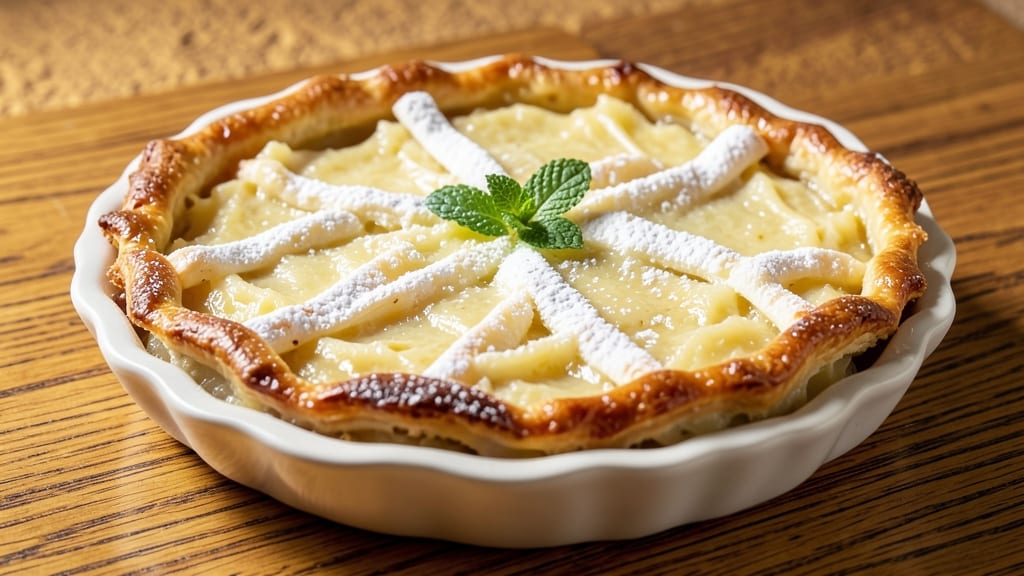
This potato custard pie recipe delivers the perfect balance of creamy vanilla custard and crisp golden edges that make every slice irresistible. 💛 The secret lies in a well-blinded crust and a smooth custard that transforms humble potatoes into velvety richness.
I've perfected this technique over years of baking, ensuring the filling never curdles and the crust stays flaky.
The foundation begins with a classic pie crust—flaky, buttery, and sturdy enough to hold the weight of the custard without sogging. While the crust bakes blind, the filling comes together with mashed potatoes, eggs, cream, and a touch of vanilla, creating a texture that's both rich and light.
The key is tempering the eggs to prevent lumps and baking at the right temperature for even doneness.
What you'll end up with is a pie that looks impressive yet feels comforting—a golden crust encasing a silky custard with just the right amount of vanilla sweetness. The edges will be perfectly crisp, while the center remains tender, offering that satisfying contrast with every bite.
This is the kind of dessert that transforms ordinary gatherings into memorable moments.
Whether you're serving it at a holiday dinner or simply treating yourself to a homemade dessert, this potato custard pie delivers restaurant-quality results with a fraction of the effort. Let's get started on creating your perfect slice.
Ingredients for potato custard pie
Buttery crust, creamy custard, and just the right vanilla sweetness—here's what makes this pie perfect.
| Ingredient | Amount | Notes |
|---|---|---|
| All-Purpose Flour 🌾 | 2 ½ cups | For pie crust, sifted |
| Unsalted Butter 🧈 | 1 cup | Cold, cubed for crust |
| Ice Water 💧 | ½ cup | Plus extra for kneading |
| Russet Potatoes 🥔 | 3 medium | Peeled and boiled |
| Large Eggs 🥚 | 4 whole | Room temperature |
| Heavy Cream 🥛 | 1 ½ cups | Full-fat for richness |
| Granulated Sugar 🍚 | ¾ cup | Adjust for sweetness |
| Pure Vanilla Extract 🍯 | 1 tbsp | High-quality preferred |
| Salt 🧂 | ½ tsp | Kosher or sea salt |
| Ground Black Pepper 🌶️ | ¼ tsp | Freshly ground |
| Cinnamon 🍃 | ½ tsp | Optional, for warmth |
| Allspice 🌶️ | ¼ tsp | Ground, for depth |
| Cornstarch 🌾 | 2 tbsp | For thickening custard |
The potatoes are the heart of this pie, so pick firm Russets—they mash smoother than Yukon Golds. Whole Foods or Trader Joe's always have the best starchy ones. If you can't find Russets, Yukons work in a pinch (they'll be slightly creamier). Peel them first, then boil until fork-tender. Drain well, but don't squeeze—you want to keep some moisture for that velvety texture. For the crust, use cold butter and handle the dough as little as possible to keep it flaky. I like to make it the night before and let it rest in the fridge—game changer for texture.
No vanilla extract? Vanilla bean paste works too, or even a scraped vanilla bean if you've got one. The spices are optional but add wonderful depth—skip them if you prefer classic custard. For the eggs, room temperature is key—they'll blend smoother. If you're worried about curdling, temper them by whisking a little warm cream into the yolks first. The cornstarch is non-negotiable for that perfect silky texture—it's what keeps the custard from being too thin. And if you're short on time, instant mashed potatoes (like Idahoan) can replace half the boiled potatoes, but fresh is always better.
This pie tastes even better the next day, so bake it ahead if you can. Store leftovers covered at room temperature for 2 days or refrigerate for 4 days. The crust stays crisp for about 1 hour after slicing, so serve it fresh. For make-ahead prep, assemble the pie (unbaked) and refrigerate for up to 24 hours before baking. The filling can be made a day ahead too—just reheat gently before pouring into the crust. Freezing isn't recommended, as the texture can get grainy.
Why You'll Love This Recipe
- No Fuss Crust: I swear, the dough comes together with just flour, butter, and ice water—no mixer, no chilling, no fuss. Roll it out in 5 minutes while the oven preheats, and you’re golden.
- Creamy Without Guilt: That velvety potato filling? It’s rich but not heavy, thanks to the eggs and butter blending into the mashed potatoes. Honestly, it tastes like a hug—warm, comforting, and no one will ask for the recipe.
- Leftovers for Days: This pie actually improves the next day. The custard sets just enough to be sliceable, and the crust stays crisp. I’ve packed it for lunches (yes, even in winter) and it’s still perfect.
- Budget Stretch: Russets are cheap, eggs are cheap, and a stick of butter goes a long way. Between us, this feeds six for under $10, and the leftovers make breakfast hash the next morning. Smart, right?
Step-by-step instructions for potato custard pie
Here's how to build a golden crust and silky filling that'll make this classic dessert shine.
🍳 Step 1: Make the Perfect Pie Crust
First, sift the 2.5 cups all-purpose flour into a large bowl. Cut in the 1 cup cold cubed unsalted butter using a pastry cutter or your fingers until the mixture resembles coarse crumbs with pea-sized butter pieces. Sprinkle in the 0.5 tsp salt and 0.25 tsp ground black pepper and toss lightly to distribute.
Gradually add the 0.5 cup ice water, 1 tablespoon at a time, mixing gently with a fork until the dough just comes together. Be careful not to overmix—just until it forms a shaggy mass. Turn the dough onto a lightly floured surface and knead briefly (about 10 seconds) until smooth. Wrap tightly in plastic and chill for 30 minutes while you prepare the filling.
👨🍳 Step 2: Prepare the Silky Potato Base
While the crust chills, peel and boil the 3 medium russet potatoes in salted water until fork-tender (15-20 minutes). Drain well and mash them thoroughly in a large bowl until completely smooth—no lumps! Stir in the 1.5 cups heavy cream and 0.75 cup granulated sugar until fully combined. This creamy base is what gives the pie its signature texture.
In a small bowl, whisk together the 4 whole large eggs, 1 tbsp pure vanilla extract, 0.5 tsp cinnamon, and 0.25 tsp allspice. Slowly pour this egg mixture into the potato-cream mixture while whisking constantly to prevent curdling. The batter should be thick but pourable—if it's too stiff, whisk in 1-2 tablespoons ice water to loosen it.
🍳 Step 3: Thicken the Custard Mixture
In a separate small bowl, whisk together the 2 tbsp cornstarch with 2 tablespoons ice water to make a smooth slurry. Slowly pour this into the custard mixture while whisking vigorously to prevent clumping. The mixture should thicken noticeably—it should coat the back of a spoon when stirred. This step is crucial for that perfect velvety texture.
Transfer the custard to a large measuring cup and let it sit at room temperature for 10 minutes. This resting period helps the flavors meld and the custard reach the ideal pouring consistency. Meanwhile, preheat your oven to 375°F and roll out the chilled pie crust to fit a 9-inch pie dish, leaving a 1-inch overhang. Trim and crimp the edges.
🥘 Step 4: Assemble and Bake to Golden Perfection
Pour the custard mixture into the prepared pie crust, spreading it evenly. The filling should come just to the edges—don't overfill. Place the pie on a baking sheet (to catch any potential spills) and bake on the middle rack for 45-50 minutes. The edges should be golden brown, and the center should still have a slight wobble when gently shaken.
Here's the secret: For the last 10 minutes of baking, place a second pie dish on top of the pie to create even pressure. This helps prevent cracking and ensures the top sets properly. Remove the top dish carefully and let the pie cool completely at room temperature for 2 hours before slicing—this prevents the custard from running.
⏰ Step 5: Chill and Serve for Ultimate Texture
Once completely cooled, refrigerate the pie for at least 4 hours (overnight is even better). This chilling step is non-negotiable—it allows the custard to firm up beautifully while keeping it creamy. When ready to serve, run a sharp knife around the edges to loosen, then slice into perfect wedges.
Each bite should deliver that perfect balance: a flaky, buttery crust giving way to velvety potato custard with just the right amount of vanilla sweetness. The edges should be crisp while the center remains luxuriously smooth. Serve with a dollop of whipped cream or a sprinkle of cinnamon for extra flair.
Pro Tips For Making Potato Custard Pie
- BOIL POTATOES UNTIL TENDER: Russets stay firm if you’re not careful—test with a fork after 15 minutes in boiling water, not when the recipe says "soft." Overcooking turns them mushy, and undercooking leaves you with a gritty filling. I learned this the hard way when my first batch had texture like wet sand.
- CHILL THE FILLING: Let the potato custard sit uncovered in the fridge for at least 2 hours before baking. This thickens it naturally, so it doesn’t spill or create a watery crust. I skip this and my pies always end up soggy bottoms—don’t be like me.
- USE COLD BUTTER FOR CRUST: Cut the butter into flour with a pastry cutter (or two forks) until it’s pea-sized, not paste. Cold butter = flaky layers; warm butter = greasy mess. I was lazy once and mixed it with my hands—regretted it immediately.
- BAKE AT 375°F, NOT HIGHER: Cranking the oven to 400°F will brown the crust too fast, leaving the custard underdone. 375°F gives even cooking without burning. I torched my first crust trying to rush it—now I set a timer and walk away.
Troubleshooting this recipe
Custard Curdling
If your custard looks lumpy or grainy, you've likely encountered curdling—usually from overheating or adding eggs too quickly to hot liquids. I've found that tempering eggs works wonders: whisk 1 tablespoon of warm cream into the yolks first, then gradually mix the remaining eggs.
Also, avoid direct heat when thickening—stir constantly over medium-low heat if using stovetop methods. For oven-baked custards, never exceed 350°F for the initial bake. 💡
Soggy Crust
The #1 cause of soggy crusts is underbaked filling. Always blind-bake your crust for 15 minutes with pie weights or dried beans before adding filling. I also recommend brushing the bottom crust with 1 egg white before adding custard—this creates a moisture barrier.
If your crust still gets soggy, try baking the pie on a preheated baking sheet for 10 extra minutes after removing the top dish. 🥧
Cracked Top
Cracking happens when the custard sets too quickly or the oven temperature fluctuates. The solution? Use the pie dish on top technique during the final 10 minutes of baking to create even pressure. Also, ensure your custard is at room temperature before pouring—cold filling can cause uneven setting.
For extra insurance, I sometimes sprinkle ½ cup crushed cornflakes on top before baking to create a protective layer. ✨
Undercooked Center
An undercooked center means your custard needs more time or a higher temperature. First, check your oven's accuracy—many run 25°F hotter or cooler than set. If needed, increase to 375°F and bake 5-10 minutes longer.
For stubborn centers, try this trick: tent the pie with foil and bake at 325°F for 15 minutes to gently finish without drying. Always test doneness by inserting a knife—it should come out clean but slightly wet. 🌡️
Filling Too Thin
Thin custard usually means insufficient thickening agent or overmixing. Double-check your cornstarch slurry—it should be 2 tbsp cornstarch + 2 tbsp water. If your filling still seems too runny, whisk in 1 extra tbsp cornstarch mixed with 1 tbsp cold water and bake as directed.
For extra insurance, I sometimes add 1 tbsp all-purpose flour to the potato base before mixing with eggs. 💪
Burnt Edges
Burnt edges happen when the crust bakes too quickly while the center stays underdone. Prevent this by placing your pie on the middle rack and using a baking sheet underneath to catch drips. If edges brown too fast, loosely cover the crust with foil after 20 minutes of baking.
For even heat distribution, rotate the pie halfway through baking. I've also had success using a pie shield to protect edges while allowing the center to cook through. 🔥
Nutrition facts
Frequently asked questions about potato custard pie
Can I make this potato custard pie without a pie crust?
For a no-crust version, simply pour the custard mixture into a greased 9-inch pie dish and bake as directed. The custard will set like a pudding, creating a creamy dessert with crisp edges. For extra flair, sprinkle crushed graham crackers or cornflakes on top before baking to create a crunchy crust alternative.
How do I prevent the custard from curdling?
Curdling happens when eggs cook too quickly. Always whisk eggs into the warm potato mixture gradually, starting with just 1 tablespoon of warm cream mixed with yolks first. Keep the custard at room temperature before baking, and never exceed 375°F in the oven. For extra insurance, whisk in the cornstarch slurry last.
Can I use sweet potatoes instead of russets?
Yes, but the texture will be slightly different. Sweet potatoes add natural sweetness and moisture, so reduce the sugar to 0.5 cup and increase the cornstarch to 3 tbsp for proper thickening. The custard will have a deeper orange hue and a slightly denser texture. For best results, roast the sweet potatoes first to concentrate their flavor.
How long does this pie keep in the fridge?
This pie stays fresh for 4-5 days when stored properly. Keep it covered in an airtight container to maintain moisture. The crust will lose crispness after 2 days, so serve it within that time for the best texture. For longer storage, freeze individual slices (without the crust) for up to 3 months—thaw overnight in the fridge.
What's the best way to reheat potato custard pie?
For the best results, reheat slices in a 350°F oven for 8-10 minutes until warmed through. Microwaving works in a pinch (30 seconds), but it can make the crust soggy. To revive a chilled pie, bake at 325°F for 15 minutes with a foil tent to protect the edges. Always let it sit 5 minutes after reheating.