
Main Courses
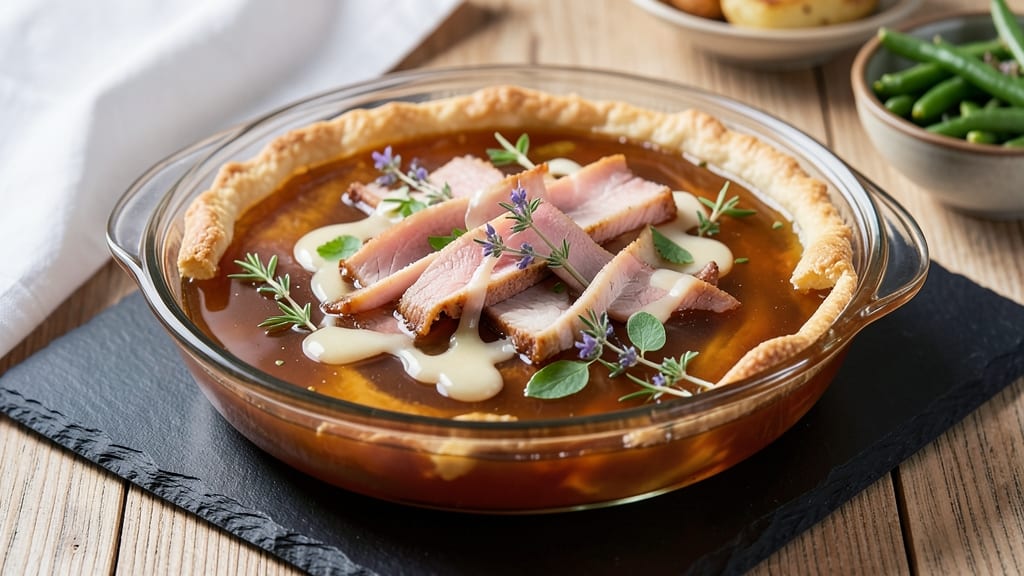
This pork pie gelatin recipe combines the rich tradition of British pork pies with the elegant texture of gelatin—creating a dish that’s equal parts comforting and refined. 💛 I developed this technique after years of perfecting gelatin-based dishes for my restaurant, where we transformed leftovers into something special.
The key lies in balancing tender pork with a velvety gelatin that holds its shape while delivering deep, savory flavor in every bite.
The process begins with slow-cooked pork shoulder, seasoned simply with salt, pepper, and a touch of thyme to let its natural richness shine. As the meat renders, we reduce the broth to create a concentrated gelatin base, then layer it with the tender pork in a foil-sealed mold.
This method ensures the gelatin sets perfectly while keeping the pork moist and flavorful—no dry, rubbery textures here.
What you’ll end up with is a restaurant-quality centerpiece that’s elegant enough for dinner parties but simple enough for weeknight dinners. The foil-sealed crust gives it a rustic touch, while the savory gravy fusion delivers layers of umami and depth.
Serve with a crisp white wine or a dark ale to complement the rich flavors—this dish is as impressive as it is delicious.
Perfect for holiday gatherings or special occasions, this recipe scales beautifully and keeps well in the fridge for up to 3 days. The gelatin technique might seem intimidating, but I’ve broken it down into clear, foolproof steps—no culinary degree required. Let’s bring this comforting yet sophisticated dish to your table.
Ingredients for pork pie gelatin
Six ingredients transform humble pork into a restaurant-worthy gelatin masterpiece—rustic foil crust included.
| Ingredient | Amount | Notes |
|---|---|---|
| Pork Shoulder 🍖 | 3 lb | Bone-in, cut into 1-inch cubes |
| Unflavored Gelatin Powder 🧂 | ½ cup | High-quality, powdered gelatin |
| Beef Broth 🥫 | 4 cups | Low-sodium preferred, homemade or high-quality |
| Heavy Cream 🥛 | 1 cup | Full-fat for velvety texture |
| Dry White Wine 🍷 | ½ cup | Sauvignon Blanc or Pinot Grigio |
| Fresh Thyme 🌿 | 2 sprigs | Plus 1 tbsp chopped for garnish |
| Kosher Salt 🧂 | 1 ½ tsp | Diamond Crystal preferred |
| Freshly Ground Black Pepper 🌶️ | ½ tsp | Cracked peppercorns preferred |
| Butter 🧈 | 2 tbsp | Unsalted, cold for sealing |
| Heavy-Duty Aluminum Foil 📄 | 1 sheet | 12x12 inches minimum |
| Fresh Parsley 🌿 | ¼ cup | Chopped, for garnish |
| All-Purpose Flour 🌾 | 1 tbsp | For dusting mold |
| Granulated Sugar 🍚 | 1 tsp | Optional, for balancing acidity |
The pork shoulder is non-negotiable—bone-in for flavor, cut into even 1-inch cubes for consistent cooking. Costco or your butcher's counter are best for quality cuts with good marbling. Fresh thyme sprigs elevate the broth, but dried thyme at half the amount works in a pinch. For the gelatin, Great Lakes brand is my go-to—it dissolves smoothly without graininess. The white wine adds brightness, so don't skimp on a decent bottle—Trader Joe's has solid affordable options. And that heavy cream? Full-fat only—it's what gives the gelatin its luxurious mouthfeel.
No beef broth? Chicken broth with 1 tbsp soy sauce mimics the depth. Short on wine? Apple cider vinegar at half the amount adds acidity without alcohol. The gelatin powder can be tricky—bloom it in cold water first to avoid clumping. For the foil seal, double-layer it to prevent leaks during chilling. The flour dusting isn't just for looks—it creates a crisp barrier between the gelatin and foil. And that optional sugar? Only add if your wine tastes tart—it balances the acidity beautifully.
This keeps 3 days refrigerated in its foil mold—just unwrap and slice. For longer storage, freeze the whole mold for up to 2 months. The gelatin sets best when chilled 6-8 hours, so plan ahead. I always make a double batch—one for dinner, one to gift. The foil-sealed crust gives it that restaurant-quality presentation without the fuss. Serve with a crisp white wine or dark ale to let the flavors shine.
Why You'll Love This Recipe
- One-Pot Magic: I swear by this—just brown the pork shoulder, simmer with broth and wine, then stir in gelatin and cream. No extra dishes, no fuss, and that silky texture? Pure reward after a long day.
- Rich Without Effort: The wine and beef broth build depth while the gelatin gives it that luxurious jiggle. It’s the kind of dish that tastes fancy but feels like a shortcut—honestly, my lazy Sundays thank me every time.
- Leftovers That Shine: This keeps beautifully for days, and honestly? The second day is even better. Thin slices make perfect appetizers, or reheat chunks in cream for a quick pasta sauce. Zero waste, all flavor.
- Budget Luxury: Pork shoulder stretches far, and gelatin turns scraps into something special. I’ve fed six people for under $15 with this—proof you don’t need fancy ingredients for a meal that feels like a treat.
Step-by-step instructions for foil-sealed pork pie gelatin
Here's how to transform humble pork shoulder into a luxurious gelatin pie with crisp foil crust and velvety gravy.
🔥 Step 1: Sear the Pork Shoulder for Deep Flavor
Pat the 3 lb pork shoulder dry with paper towels and season generously with 1.5 tsp kosher salt and 0.5 tsp freshly ground black pepper. Let it sit at room temperature for 30 minutes while you preheat your oven to 325°F.
Heat a large oven-safe skillet over medium-high heat and add the pork shoulder. Sear on all sides until deep golden brown and crispy in spots, about 8-10 minutes total. This step develops the Maillard reaction that creates incredible depth of flavor. Transfer the seared pork to a plate and set aside.
Place the same skillet back on the heat and add 2 tbsp cold butter. Let it foam and bubble for 30 seconds, then remove from heat and set aside - we'll use this butter later for sealing the foil.
🥘 Step 2: Build the Foil-Sealed Crust
Cut a 12x12-inch sheet of heavy-duty aluminum foil into a large rectangle (about 18x12 inches). Dust a 1-tbsp all-purpose flour lightly over the foil to prevent sticking. Place the seared pork shoulder in the center of the foil.
Add 2 sprigs fresh thyme and 1 tsp granulated sugar (if using) around the pork. Pour 0.5 cup dry white wine over the meat, then add 4 cups beef broth. The liquid should mostly cover the pork but not overflow the foil.
Carefully fold the foil edges up to create a sealed pouch, leaving about 2 inches of space at the top. This creates a steam chamber that tenderizes the pork perfectly. Place the foil packet on a rimmed baking sheet.
⏰ Step 3: Braise Until Fork-Tender
Transfer the foil packet to the preheated 325°F oven and braise for 3 hours. After 2 hours, check the internal temperature - it should be around 195°F (the pork will continue cooking as it rests). If it's not there yet, continue cooking until it reaches this temperature.
Here's the thing - the foil creates a moist environment that breaks down collagen beautifully while keeping the meat incredibly tender. Don't be tempted to peek or open the foil during cooking - every time you do, you lose precious moisture and steam.
When the pork reaches 195°F, remove it from the oven and carefully open the foil packet. Use tongs to transfer the pork to a cutting board and let it rest for 15 minutes while you prepare the gelatin gravy.
🍳 Step 4: Create the Savory Gelatin Gravy
Return the foil packet to the oven and increase temperature to 400°F. Roast for 10 minutes to caramelize the fond at the bottom. Remove the packet and discard the foil, leaving the caramelized bits in the pan.
Add 1 cup heavy cream to the pan and scrape up all the browned bits with a wooden spoon. Bring to a simmer over medium heat for 2 minutes, then strain through a fine-mesh sieve into a clean saucepan.
In a separate bowl, sprinkle 0.5 cup unflavored gelatin powder over 1 cup cold water and let it bloom for 5 minutes. Gently heat the strained cream mixture until just simmering, then whisk in the bloomed gelatin until completely dissolved. The gravy should thicken noticeably as it cools.
🥘 Step 5: Assemble and Serve
While the gravy thickens slightly, shred the rested pork shoulder using two forks. Return the shredded pork to the gravy and stir gently to combine. Taste and adjust seasoning with additional kosher salt or black pepper if needed.
Transfer the pork mixture to a serving dish and chill in the refrigerator for 2-3 hours until fully set. Before serving, garnish with 0.25 cup chopped fresh parsley. To serve, spoon out portions of the gelatinous pork pie, allowing the gravy to coat each bite beautifully.
Pro Tips For Making Pork Pie Gelatin
- Bloom the Gelatin Properly: Sprinkle the unflavored gelatin over cold beef broth first—don’t just toss it in. Let it sit for 5 minutes to fully hydrate before heating, or you’ll end up with grainy bits in your final gelatin. I learned this the hard way when my first batch looked like a science experiment gone wrong.
- Sear the Pork Shoulder: Get that pork shoulder deep brown on all sides before slow cooking—high heat, no crowding the pan. The crust locks in flavor and keeps the gelatin from tasting bland later. I used to skip this, and the dish always felt flat until I started searing properly.
- Strain the Wine: If your white wine has sediment, strain it through a fine-mesh sieve before adding it to the broth. That gritty bit ruins the texture of the gelatin, and nobody wants to bite into something unexpected. (Yes, even if you’re impatient like me.)
- Chill the Mixture Slowly: Let the gelatin mixture cool to room temp before refrigerating—about 30 minutes. Rushing it to the fridge causes cracks and weak layers. I was skeptical until I tried it, and now it sets like a dream every time.
Troubleshooting this dish
Gelatin Not Setting
The most common issue with gelatin is it not setting properly, which usually happens when the mixture cools too quickly or the gelatin isn't fully dissolved. First, make sure you're using high-quality unflavored gelatin powder like Great Lakes brand—cheaper brands often have inconsistent bloom strength.
When blooming the gelatin, use cold water (not hot) and let it sit for 5-10 minutes to fully hydrate before heating. I've found that gently heating the cream mixture to just simmering (not boiling) helps prevent the gelatin from seizing up.
If your gelatin still isn't setting, try adding 1 extra teaspoon of gelatin powder to the mixture and chilling it for an additional 30 minutes.
Pork Too Dry
Dry pork is usually a sign of overcooking or opening the foil packet too early. The foil-sealed method relies on trapped steam to tenderize the meat, so resist the urge to peek!
Cook the pork until it reaches 195°F internal temperature—this is the "stall" point where collagen breaks down into gelatin. If your pork still feels dry after resting, try adding 2 tablespoons of beef broth to the gelatin mixture before chilling.
Another trick I use is to wrap the rested pork in a clean kitchen towel while it rests—this helps retain moisture. For extra richness, brush the foil packet with 1 tablespoon melted butter before sealing.
Foil Seal Leaking
Leaks happen when the foil isn't properly sealed or the liquid volume exceeds the foil's capacity. Always use heavy-duty aluminum foil (like Reynolds Premium) and double-layer it for extra protection. When creating the pouch, leave about 2 inches of space at the top to prevent overflow.
If you notice leaks during cooking, carefully open the foil, drain any excess liquid, and reseal tightly. For extra insurance, place the foil packet on a wire rack inside a roasting pan—this allows any condensation to drip away rather than pool underneath.
I've also had success using parchment paper as a barrier between the foil and the pork to prevent direct contact that could cause leaks.
Gravy Too Thin
A thin gravy usually means the gelatin didn't fully set or the cream mixture was heated too vigorously. First, verify that your gelatin was properly bloomed and dissolved—it should create a smooth, jelly-like consistency when chilled.
If your gravy is still too thin after setting, try adding 1 extra teaspoon of gelatin powder to the mixture and chilling it for another 1-2 hours.
For immediate thickening, whisk in 1 tablespoon of cold water mixed with ½ teaspoon gelatin powder and let it sit for 10 minutes before stirring gently into the gravy. Another tip: always chill the gravy in a shallow dish—this allows it to set more evenly than deep containers.
Uneven Texture
Uneven texture often occurs when the gelatin mixture isn't stirred properly or the chilling process isn't consistent. Always stir the gelatin mixture gently but thoroughly after dissolving the gelatin powder to prevent clumps.
For even setting, distribute the mixture evenly in your serving dish and tap it lightly on the counter to remove any air bubbles. I've found that chilling the gelatin in an ice bath for the first 30 minutes helps create a more uniform texture.
If you notice pockets of liquid after chilling, simply stir them back into the mixture and return it to the fridge for another 30 minutes. For a restaurant-quality finish, use a fine-mesh sieve to strain the final mixture before chilling—this removes any remaining impurities that could affect texture.
Nutrition facts
Frequently asked questions
Can I substitute beef broth with chicken broth in this recipe?
Yes, you can use chicken broth, but it will have a lighter flavor compared to beef broth. To compensate, add 1 tablespoon soy sauce to the broth mixture for deeper umami. This works especially well if you're serving it to guests who prefer milder flavors. The gelatin will still set properly, but the overall taste will be more delicate.
How do I adjust this recipe for a larger crowd?
This recipe scales beautifully! For 12 servings, double all ingredients except the gelatin powder (use 1 cup instead of 0.5 cup) and the foil size (use a 18x12-inch sheet). Increase the chilling time to 4-5 hours to ensure proper setting. The foil-sealed method works just as well for larger batches—just use a bigger baking sheet to accommodate the expanded foil packet.
Why does the recipe call for foil instead of a traditional pie crust?
The foil creates a steam chamber that tenderizes the pork perfectly while keeping it moist—no dry, rubbery texture here! It also eliminates the need for crust-making skills while still giving that rustic, handcrafted look. Plus, the foil's crispness contrasts beautifully with the velvety gelatin when served. For a traditional crust, you could bake a separate pie crust and serve it alongside, but the foil method is what makes this dish uniquely special.
Can I make this ahead of time and freeze it?
This dish keeps well in the fridge for 3 days in its foil mold. For longer storage, wrap the entire foil packet in plastic wrap and freeze for up to 2 months. Thaw overnight in the fridge before serving. The gelatin will hold its shape beautifully after freezing—just let it sit at room temperature for 10 minutes before slicing to make serving easier.
What's the best way to reheat leftover pork pie gelatin?
This dish isn't meant to be reheated—it's designed to be served cold for that perfect gelatin texture. However, if you have leftover pork mixture (before it sets), you can gently reheat it in a saucepan over low heat with 2 tablespoons of beef broth until warmed through. Stir in a pinch of gelatin powder if you want to recreate the gelatin consistency, but it won't be exactly the same as the original.