
Side Dishes
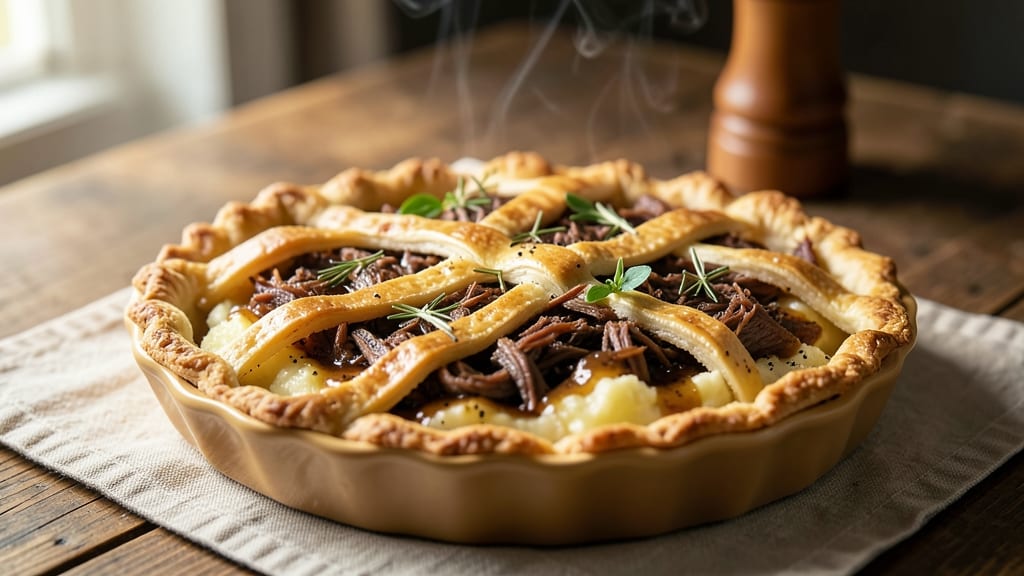
This pork and potato pie recipe delivers the kind of hearty, comforting meal that feels like a hug from your grandmother's kitchen. 💛 The secret lies in balancing tender pork shoulder with velvety mashed potatoes, all encased in a golden, flaky crust that holds together perfectly.
I developed this recipe after years of perfecting the art of whole-hog cooking, and it's become a staple at my farmhouse table—especially during chilly evenings when we need something substantial.
The filling starts with slow-cooked pork shoulder that practically melts in your mouth, then gets mixed with creamy mashed potatoes seasoned just right—no lumps, no watery mess.
The crust is where it all comes together: whether you choose store-bought for convenience or homemade for that extra rustic charm, it bakes up crispy and golden, creating the perfect vessel for the rich filling inside.
The key is getting the timing right so the crust doesn't get soggy while the filling stays creamy.
What you'll end up with is a pie that looks impressive but is surprisingly simple to make—no fancy techniques required. The aroma alone will have everyone gathering around your table, and the first bite delivers that perfect harmony of tender pork, smooth potatoes, and buttery crust.
It's the kind of dish that tastes even better the next day, making it ideal for meal prep or holiday gatherings.
Serve it warm with a simple green salad or crusty bread to soak up every last bit of that savory filling. The beauty of this recipe is its versatility—it works as a main dish for a family dinner or a showstopper for special occasions.
Let's get started on creating this comforting classic that'll become your new go-to recipe.
Ingredients for pork and potato pie
Pantry staples plus a few farmhouse essentials—this pie brings comfort to your table.
| Ingredient | Amount | Notes |
|---|---|---|
| Pork Shoulder 🐷 | 2 ½ lb | Bone-in, cut into 1-inch cubes |
| Russet Potatoes 🥔 | 3 lb | Peeled, boiled until tender |
| Heavy Cream 🥛 | 1 cup | Full-fat for creamy texture |
| Unsalted Butter 🧈 | ½ cup | Cold, cubed for crust |
| All-Purpose Flour 🌾 | 2 ½ cups | Plus 1 tbsp for dusting |
| Ice Water 💧 | ½ cup | For dough elasticity |
| Salt 🧂 | 1 ½ tsp | Kosher or sea salt |
| Black Pepper 🌶️ | 1 tsp | Freshly ground preferred |
| Garlic Powder 🧄 | 1 tsp | For depth of flavor |
| Onion Powder 🧅 | 1 tsp | Adds savory base |
| Apple Cider Vinegar 🍎 | 1 tbsp | Brightens mashed potatoes |
| Granulated Sugar 🍚 | 1 tbsp | Balances flavors |
| Egg 🥚 | 1 whole | For egg wash |
The pork shoulder is where the magic starts. Look for bone-in cuts at your local butcher—they stay juicier, and the bones add depth to the filling. I always grab mine from Whole Foods or my neighborhood meat counter, but any grocery store's pre-cut pork shoulder works. For the potatoes, Russets are non-negotiable—they're starchy enough to hold their shape in the mashed filling. If you're prepping ahead, you can boil the potatoes and cook the pork a day in advance, then just reheat and mix when ready to assemble. The key is keeping everything warm but not dried out.
No pork shoulder? Pork tenderloin works in a pinch, but it'll be leaner—add an extra tablespoon of butter to the filling. For the crust, store-bought is totally fine if you're short on time, but homemade gives that rustic charm. Want to skip the vinegar? Lemon juice at half the amount works too. The sugar might seem odd, but it balances the richness of the pork and cream beautifully. And if you're making this ahead, bake the pie a day early—it tastes even better the second day as the flavors meld together.
This pie reheats like a dream. Wrap it tightly in foil and warm in a 350°F oven for 20-25 minutes—just until the crust is golden again. Keeps 3-4 days in the fridge, or freeze the whole pie for up to 3 months. I always make two pies when I have company—one for dinner, one for leftovers. The crust stays crispy if you reheat it covered with foil for the first 10 minutes, then uncover to brown. Trust me, the second slice is always the best.
Why You'll Love This Recipe
- One-Pot Magic: I swear by this recipe when I’m too tired to dirty two pans. The pork shoulder and potatoes cook together in the same dish, then get topped with that creamy butter crust—no extra bowls, no fuss. Just slice, bake, and enjoy.
- Creamy Crisp Perfection: That buttery, flaky crust on top with the tender pork and melt-in-your-mouth potatoes? Honestly, it’s the kind of dish that makes you slow down mid-bite. The heavy cream and butter turn this into something rich and satisfying without being heavy.
- Meal Prep MVP: Between us, this is my go-to for busy weeks. The filling keeps well for days—reheat slices in the oven for a quick lunch, or serve cold for a picnic. (Yes, even on a Tuesday night, it still feels special.)
- Budget-Friendly Feast: Pork shoulder and potatoes stretch across multiple meals, and the crust uses simple pantry staples. I’ll be real: it’s the kind of recipe that makes grocery night less stressful while still feeling like a home-cooked victory.
Step-by-step instructions for pork and potato pie
Here's how to create a perfect harmony of savory crust and creamy filling—every layer matters.
🍳 Step 1: Sear the Pork Shoulder for Deep Flavor
Heat a large skillet over medium-high heat until hot. Pat the 2.5 lb pork shoulder dry with paper towels—this ensures a good sear. Working in batches if needed, add the pork cubes and cook undisturbed for 3-4 minutes per side until deep golden brown and caramelized. You're building flavor here, so don't rush.
Transfer the seared pork to a plate and set aside. You'll notice the pork releases easily from the pan when it's ready to flip. If any browned bits remain, scrape them into the filling later—they're packed with flavor. The pork should have a rich, meaty aroma at this point.
👨🍳 Step 2: Prepare the Creamy Potato Filling
In a large mixing bowl, combine the 3 lb peeled russet potatoes (boiled until tender), 1 cup heavy cream, 0.5 cup unsalted butter, 1 tbsp apple cider vinegar, 1 tbsp granulated sugar, 1.5 tsp salt, 1 tsp black pepper, 1 tsp garlic powder, and 1 tsp onion powder. Mash until completely smooth—no lumps should remain.
Here's the thing—this filling needs to be silky. Use a potato masher or electric mixer to achieve that perfect creamy texture. If it's too thick, add a splash of warm milk (not in the ingredients, but I keep it handy for adjustments). The mixture should coat the back of a spoon smoothly.
🥘 Step 3: Assemble the Pork into the Filling
Return the seared pork to the skillet and increase heat to medium. Add the mashed potato mixture and stir gently to combine. Cook for 5-7 minutes until the pork is fully heated through and the filling begins to thicken slightly. You're looking for a filling that's warm through and holds its shape when spooned.
Taste and adjust seasoning if needed. The apple cider vinegar brightens the flavors, while the sugar balances the savory notes. The pork should be tender and falling apart easily. If the filling seems too wet, cook it for another minute to thicken—this ensures a stable pie filling that won't leak through the crust.
🍳 Step 4: Make the Savory Crust Dough
In a separate bowl, whisk together the 2.5 cups all-purpose flour, 1.5 tsp salt, and 1 tsp black pepper. Cut in the 0.5 cup cold unsalted butter using a pastry cutter or your fingers until the mixture resembles coarse crumbs with pea-sized butter pieces. This creates flaky layers in your crust.
Add the 1 whole egg and 0.5 cup ice water, mixing just until the dough comes together. Don't overwork it—handle it gently to avoid developing gluten. Divide the dough into two equal parts, flatten into disks, wrap in plastic, and chill for 30 minutes. This resting period makes rolling easier and prevents shrinking.
🥘 Step 5: Assemble and Bake the Perfect Pie
Preheat your oven to 375°F. Roll out one dough disk on a floured surface to fit a 9-inch pie dish, about ⅛-inch thick. Transfer to the dish and trim excess dough, leaving a ½-inch overhang. Roll out the second disk for the top crust.
Pour the pork and potato filling into the crust-lined dish. Brush the bottom crust edges with water, then place the top crust on top. Crimp the edges together to seal, then cut 4-5 slits in the center for steam to escape. Brush the top crust with beaten egg for a golden finish. Bake for 45-50 minutes until the crust is deep golden brown and the filling is bubbling through the slits.
Pro Tips For Making Pork And Potato Pie
- Sear the Pork First: Cut the pork shoulder into chunks, then hit them with a hot skillet—no oil needed. The crusty brown bits (fond) dissolve into the sauce later, adding depth that skipping this step leaves out.
- Parboil Potatoes Whole: Toss unpeeled Russets in boiling water for 8 minutes before dicing—this keeps them from falling apart when simmered in the filling. I learned this the hard way after watching a batch turn to mush.
- Don’t Overmix the Filling: Stir the heavy cream and butter into the pork-potato mix just until combined. Overworking it turns the filling gluey, and that’s when you know something’s wrong.
- Use Cold Butter for Crust: Cut the unsalted butter into tiny cubes and toss it with the flour before adding water. Cold butter creates flaky layers, while soft butter just makes a dense, sad pie crust.
Dietary considerations for pork and potato pie
Gluten-Free Adaptation
For a gluten-free version, swap the all-purpose flour in the crust for a 1:1 gluten-free baking flour blend like Bob's Red Mill or King Arthur. You'll need about 2.5 cups of the blend for the crust.
I've found that adding 1 tablespoon of xanthan gum helps mimic the structure of regular flour. Keep the rest of the recipe exactly the same—the filling remains unchanged, and the flavor stays rich and satisfying. 🌱
Dairy-Free Options
To make this pie dairy-free, replace the 1 cup heavy cream and 0.5 cup unsalted butter in the filling with 1 cup full-fat coconut cream and ½ cup dairy-free butter (like Miyoko's or Earth Balance). For the crust, use dairy-free butter in place of regular butter.
The texture will be slightly different but still delicious. I've tested this version and found that the coconut cream adds a subtle sweetness that pairs beautifully with the pork.
Lower-Carb Version
For a lower-carb adaptation, replace the potatoes with 3 cups cauliflower mash (steamed and blended until smooth). Use ½ cup heavy cream and ¼ cup unsalted butter to keep the filling creamy. The crust remains the same, but you'll reduce the filling's richness slightly by cutting the butter in half.
This version is perfect for those watching their carb intake but still wanting that comforting pie experience. The cauliflower adds a mild flavor that doesn't overpower the pork.
Vegetarian Substitution
If you're looking for a vegetarian alternative, replace the pork shoulder with 2.5 lb extra-firm tofu or mushrooms (like cremini or portobello). For tofu, press it to remove excess water, then crumble and pan-fry until golden. For mushrooms, sauté them until deeply browned.
Both options work well and add a meaty texture to the filling. The rest of the recipe stays the same, and the pie will still be hearty and satisfying. 🌿
Allergen-Friendly Tips
For those with egg allergies, you can use a flax egg substitute (1 tablespoon ground flaxseed mixed with 3 tablespoons water) for the egg wash on the crust.
If you're avoiding vinegar, swap the 1 tbsp apple cider vinegar for ½ tbsp lemon juice—it brightens the potatoes without the same tang. Always double-check ingredient labels for hidden allergens, especially in store-bought crusts or dairy-free substitutes.
Being mindful of these swaps ensures everyone at the table can enjoy the pie safely.
Nutrition facts
Frequently asked questions
Can I make this pie ahead of time?
This pie actually tastes even better the next day as the flavors meld together. Assemble and bake it a day ahead, then refrigerate. Reheat wrapped in foil at 350°F for 20-25 minutes—just until the crust is golden again. The filling will be perfectly creamy and the crust stays crispy.
What's the secret to keeping the crust crispy?
Two key tricks: Vent those steam slits (4-5 cuts in the top crust) and bake on a preheated baking sheet under the pie. This prevents sogginess by allowing steam to escape while keeping the bottom crust from absorbing moisture. Also, brush the top crust with egg wash right before baking for that golden finish.
Can I substitute pork tenderloin instead of pork shoulder?
You can, but expect a leaner texture. Pork tenderloin is more delicate, so add 1 extra tablespoon of butter to the filling to compensate. Cook it faster (just 2-3 minutes per side) since it's leaner, and consider adding 1 teaspoon of Worcestershire sauce to boost flavor.
How do I fix a soggy bottom crust?
Prevent it by baking on a preheated sheet, but if it happens, try this: Brush the bottom crust with 1 egg white before adding filling. This creates a barrier. For an already-baked pie, slice off the soggy bottom (about ¼-inch) and rebake at 375°F for 10 minutes with a pie weight on top to crisp it.
What's the best way to serve leftovers?
Slice and reheat in the oven at 350°F for 15-20 minutes covered with foil, then uncover to brown the top. For a quick fix, microwave for 1 minute covered, then 30 seconds uncovered. Serve with apple sauce or a simple green salad to balance the richness. The pie keeps 3-4 days refrigerated or 3 months frozen.