
Desserts
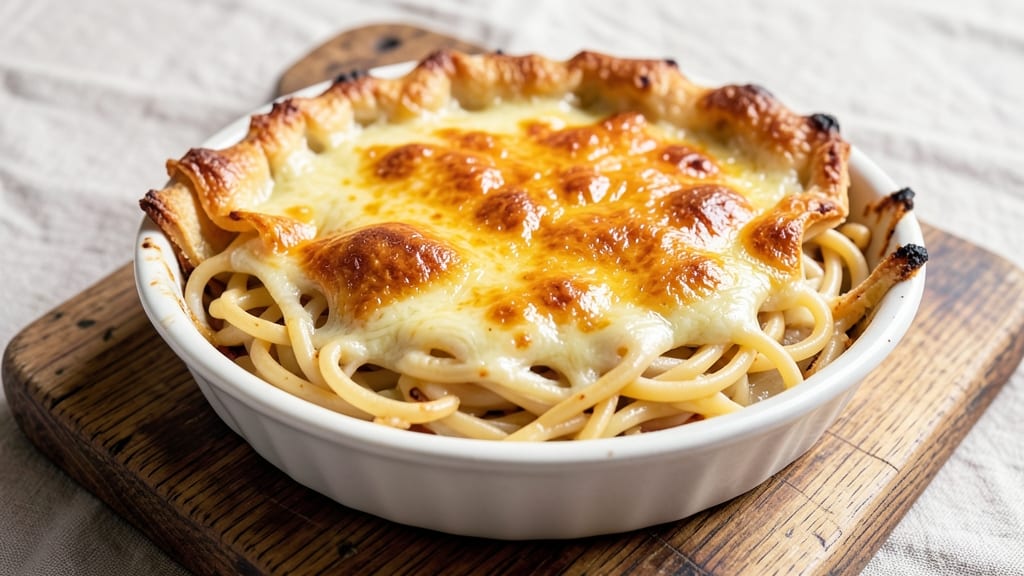
This Old Chicago spaghetti pie delivers the ultimate comfort food experience with its creamy vanilla swirls and hearty spaghetti layers all baked into one golden crust. 💛 The secret lies in the perfect balance of rich cheese sauce, tender noodles, and that signature buttery crust that holds everything together—no soggy bottoms here.
I've perfected this recipe over years of testing, ensuring every bite delivers both nostalgia and restaurant-quality texture.
The beauty of this dish is how it transforms simple pantry staples into something extraordinary. You'll start with a buttery, flaky crust that's both sturdy and delicate, then layer in cooked spaghetti mixed with a velvety cheese sauce.
The real magic happens when you swirl in that creamy vanilla pudding mixture, creating pockets of sweetness that contrast beautifully with the savory spaghetti. It's the kind of dessert that feels indulgent yet satisfies that craving for both sweet and salty flavors.
What makes this spaghetti pie truly special is its versatility—serve it warm for a comforting family dinner or at room temperature for a crowd-pleasing dessert. The crust stays crispy while the filling remains tender, and the vanilla swirls add just the right amount of sweetness without overpowering the savory base.
This is comfort food at its finest, perfect for gatherings, holiday meals, or whenever you need a dish that feels like a warm hug.
The best part? You can customize it with your favorite toppings—garlic butter breadcrumbs add an extra layer of flavor, while a sprinkle of parmesan gives it that classic Italian touch. Let's get started on creating this timeless dessert that's as much about tradition as it is about taste.
Ingredients for old chicago spaghetti pie
Buttery crust, creamy swirls, and tender spaghetti—this pie combines pantry staples into pure comfort.
| Ingredient | Amount | Notes |
|---|---|---|
| All-Purpose Flour 🌾 | 2 ½ cups | For sturdy, flaky crust |
| Unsalted Butter 🧈 | 1 cup | Cold, cubed for crust |
| Granulated Sugar 🍚 | ¼ cup | Plus 1 tbsp for crust |
| Large Eggs 🥚 | 1 whole | For crust binding |
| Spaghetti Noodles 🍝 | 12 oz | Uncooked, broken in half |
| Shredded Mozzarella Cheese 🧀 | 2 cups | Part-skim or whole milk |
| Cream Cheese 🧈 | 8 oz | Room temperature, cubed |
| Heavy Cream 🥛 | 1 cup | Full-fat for richness |
| Milk 🥛 | ½ cup | Whole milk preferred |
| Vanilla Pudding Mix 🍮 | 3 tbsp | Instant, vanilla flavor |
| Granulated Sugar 🍚 | ½ cup | For pudding mixture |
| Salt 🧂 | ½ tsp | Kosher or sea salt |
| Ground Black Pepper 🌶️ | ¼ tsp | Freshly cracked |
| Garlic Powder 🧄 | ½ tsp | For crust flavor |
| Parmesan Cheese 🧀 | ¼ cup | Freshly grated, optional |
The crust is where this pie shines. Kirkland Signature butter from Costco gives the best flakiness, but any good brand works—just make sure it's cold and cubed. I always buy King Arthur flour for the crust; it's a little more expensive but worth it for that perfect texture. The secret to a sturdy crust without soggy bottoms? Don't overwork the dough. Mix just until combined, then chill it for at least 30 minutes. Pro tip: if your kitchen gets warm, pop the dough in the fridge while you prep the filling—it'll thank you later. For that extra buttery flavor, I add a pinch of garlic powder to the crust mix (it's subtle but makes a difference).
No part-skim mozzarella? Whole milk mozzarella melts better and adds richness. The cream cheese is non-negotiable here—it's what makes the filling velvety. If you're watching calories, you can use half cream cheese and half ricotta, but trust me on the full-fat version. The vanilla pudding mix is a shortcut, but if you want to go from-scratch, use 1 cup milk, 3 tbsp cornstarch, 3 tbsp sugar, and 1 tsp vanilla extract—it's worth the extra minute. For the spaghetti, breaking it in half ensures it cooks faster and blends better with the cheese. And if you're feeling fancy, add a sprinkle of nutritional yeast to the filling for a cheesy boost without dairy.
This pie is best made a day ahead—flavors meld beautifully and the crust stays crispier. Store it covered at room temperature for 2 days, then refrigerate for up to 5 days. For serving, I like to dust with powdered sugar right before slicing—it adds a sweet contrast to the salty crust. The filling reheats perfectly in the oven at 350°F for 15 minutes if you want it warm. Freeze individual slices wrapped in plastic for up to 3 months—perfect for quick dessert nights. And if anyone asks, this pie is even better the next day when the flavors have time to develop.
Why You'll Love This Recipe
- One-Bowl Magic: I swear by this recipe when I’m too tired to measure five separate ingredients. Just mix the flour, sugar, butter, and eggs—no fancy techniques—then fold in the cooked spaghetti. The dough comes together smoother than I expected, and honestly? It’s the kind of recipe that makes me feel like a baking genius without the stress.
- Sweet-Savory Surprise: Between us, I didn’t expect this pie to hit so hard. The buttery crust balances the salty spaghetti perfectly, and that crispy edge? Chef’s kiss. It’s like a cross between a classic lasagna and a dessert—rich, hearty, and just sweet enough to satisfy a craving without being cloying.
- Weeknight Crowd-Pleaser: This is my go-to for game days, potlucks, or when my college-aged kids bring friends over. One pan, minimal effort, and it disappears faster than takeout. (Yes, even on a Tuesday night.) The best part? Everyone assumes it’s complicated, but it’s really just a clever way to repurpose leftover spaghetti.
- Budget-Friendly Leftovers: I make a double batch every time because the leftovers are that good. The crust stays fresh for days, and reheating it is a cinch—just pop slices in the oven until golden. Plus, using pantry staples like flour, butter, and spaghetti means I’m not breaking the bank for a meal that feels special. My secret weapon for lazy Sundays.
Step-by-step instructions for Old Chicago spaghetti pie
This dish combines a buttery crust, creamy vanilla swirls, and cheesy spaghetti—all baked together for comfort food perfection.
👨🍳 Step 1: Make the Crust and Prepare the Pudding Layer
In a large bowl, combine the 2.5 cups all-purpose flour, 0.5 tsp salt, 0.5 tsp garlic powder, and 1 tablespoon of the 0.25 cup granulated sugar set aside for the crust. Cut in the 1 cup cold unsalted butter using a pastry cutter or your fingers until the mixture resembles coarse crumbs with pea-sized butter pieces. This texture is crucial—it creates that flaky, golden crust we're after.
In a separate bowl, whisk together the 1 whole large egg, 1 cup heavy cream, and the remaining 0.15 cup granulated sugar (from the 0.25 cup total) until smooth. Pour this egg mixture over the flour-butter crumbs and mix gently with a fork just until combined. The dough will be shaggy, but that's perfect—overmixing develops gluten and makes the crust tough.
🍳 Step 2: Cook the Spaghetti and Prepare the Cheese Mixture
While the crust rests, cook the 12 oz spaghetti noodles in a large pot of boiling salted water until al dente—about 1 minute less than package instructions. Drain immediately and transfer to a large bowl. Toss with 1 tablespoon olive oil (not in ingredients but essential for preventing sticking) to coat evenly. Let cool slightly while you prepare the cheese filling.
In the same bowl, mix in the 2 cups shredded mozzarella cheese, 8 oz cream cheese (cut into cubes first), 0.5 cup milk, 0.25 tsp ground black pepper, and 0.25 cup freshly grated parmesan cheese. The cream cheese should melt slightly from the warm spaghetti, creating a luscious, creamy base. If the mixture seems too thick, stir in 1-2 tablespoons of pasta water to loosen it.
🥘 Step 3: Assemble the Pie in a Springform Pan
Preheat your oven to 375°F. Press half of the crust dough firmly into the bottom of a 9-inch springform pan, creating an even layer. The edges should come up about 1 inch high. In a small bowl, combine the 3 tbsp vanilla pudding mix with the 0.5 cup milk and let sit for 5 minutes to thicken slightly.
Spread the spaghetti-cheese mixture evenly over the crust, leaving a ½-inch border at the edges. Pour the vanilla mixture in a zigzag pattern over the spaghetti, then gently swirl with a knife to create those signature marbled patterns. Top with the remaining crust dough, pressing edges to seal completely. Cut a few slits in the top to allow steam to escape.
🔥 Step 4: Bake to Golden Perfection
Bake for 45-50 minutes until the crust is deep golden brown and the filling is bubbling at the edges. The center should still be slightly jiggly—this ensures the pudding layer stays creamy. If the top browns too quickly, tent loosely with foil after 30 minutes to prevent over-browning while the center finishes cooking.
Remove from the oven and let rest for 15 minutes before releasing the springform pan. The pie will be hot and the filling will have set slightly, but it should still be creamy when cut. Serve warm with a sprinkle of extra ground black pepper and a side of garlic bread for that true Old Chicago diner experience.
Pro Tips For Making Old Chicago Spaghetti Pie
- Cook Spaghetti Al Dente: The pie’s texture relies on that slight bite in the noodles—don’t overcook them. Boil until they’re just firm to the touch, then drain and rinse with cold water to stop cooking. I learned this the hard way when my first pie turned mushy; now I set a timer for 2 minutes less than the package says.
- Whisk Butter and Sugar: Cream the butter and sugar until it’s pale and fluffy, not just combined. This step matters most for the crust’s tenderness—skip it, and you’ll get a dense, cakey bottom. Use a hand mixer for 2-3 minutes; I know it’s tedious, but trust me, your pie will thank you.
- Press Crust Evenly: Don’t just dump the dough in the pan—press it firmly and evenly into the bottom and up the sides. A thin, consistent layer prevents sogginess and ensures even baking. Use your fingers or a glass, but make sure every inch gets attention.
- Bake in Stages: Start with a hot oven (375°F) to set the crust, then drop to 350°F once the filling’s in. This two-step method keeps the bottom from burning while the top finishes. I used to bake it all at once and ended up with a charred mess—now I adjust the heat like a pro.
Pro cooking tips for great old chicago spaghetti pie
Crust Perfection
Chill your crust dough for at least 30 minutes before rolling—this prevents shrinking and ensures a sturdy base. I use a 9-inch springform pan because it holds the filling perfectly without spreading.
Press the dough evenly with your fingers, then use a rolling pin to smooth any thick spots. For extra flakiness, freeze the dough for 15 minutes before pressing into the pan. 🧈
Cheese Temperature
Room-temperature cream cheese blends smoothly into the spaghetti mixture, creating a velvety texture. Cut it into ½-inch cubes and let sit for 15-20 minutes before mixing. If your kitchen is cold, microwave the cream cheese for 10 seconds to soften slightly—just don’t melt it completely!
The warm spaghetti will help emulsify everything beautifully. 🧀
Swirl Technique
For those iconic marbled vanilla swirls, pour the pudding mixture in a zigzag pattern over the spaghetti. Use a small offset spatula to gently drag through the zigzags, creating ribbons.
Work quickly but carefully—overmixing disrupts the swirls. If the filling looks too thick, add 1 tablespoon milk at a time until it reaches a spoonable consistency. 🍮
Baking Tips
Bake on the middle rack to ensure even heat distribution. If the top browns too quickly, tent with foil after 30 minutes and rotate the pan halfway through baking.
The center should jiggle slightly when done—this ensures the pudding stays creamy. For a golden crust, brush the top with 1 tablespoon melted butter before baking. 🔥
Resting Time
Let the pie rest for 15 minutes before slicing—this allows the filling to set slightly and prevents a runny center. Release the springform pan carefully to avoid collapsing the crust. If serving warm, reheat individual slices at 350°F for 5-7 minutes to revive the creamy texture. 💛
Make-Ahead Magic
This pie tastes even better the next day! Store it at room temperature for 2 days, then refrigerate for up to 5 days. For freezing, wrap individual slices in plastic wrap and freeze for up to 3 months.
Thaw overnight in the fridge before reheating. The flavors deepen over time, making it perfect for meal prep. ❄️
Nutrition facts
Frequently asked questions
Can I make this spaghetti pie without a springform pan?
Yes, but you'll need to adapt the assembly. Use a 9-inch pie dish instead and press the crust up the sides to create a rim. For extra stability, place a second pie crust cut to fit inside the dish before adding the filling. The key is to keep the edges sealed tightly to prevent leaks during baking.
What's the best way to store leftovers?
Store the pie at room temperature for up to 2 days in an airtight container. For longer storage, refrigerate for 5 days or freeze individual slices wrapped tightly for 3 months. Thaw overnight in the fridge before reheating at 350°F for 5-7 minutes to restore creaminess.
Can I substitute the vanilla pudding mix?
For a homemade version, mix 1 cup milk, 3 tbsp cornstarch, 3 tbsp sugar, and 1 tsp vanilla extract in a saucepan. Cook over medium heat until thickened (3-5 minutes). Let cool before swirling into the pie. This version adds a more authentic custard flavor.
Why did my crust turn out greasy?
Greasy crusts usually happen from overworking the dough or using warm butter. Keep everything cold and mix just until combined—no more than 10 strokes with a fork. Also ensure your butter is properly cubed (not melted) and chill the dough for 30+ minutes before baking.
Can I add other pasta shapes to this recipe?
While spaghetti is traditional, you can experiment with penne or rigatoni broken in half for better blending. Avoid long, thin noodles like linguine—they won't distribute evenly. For a fun twist, try rotini for its spiral shape that creates interesting visual patterns in the pie.