
Desserts
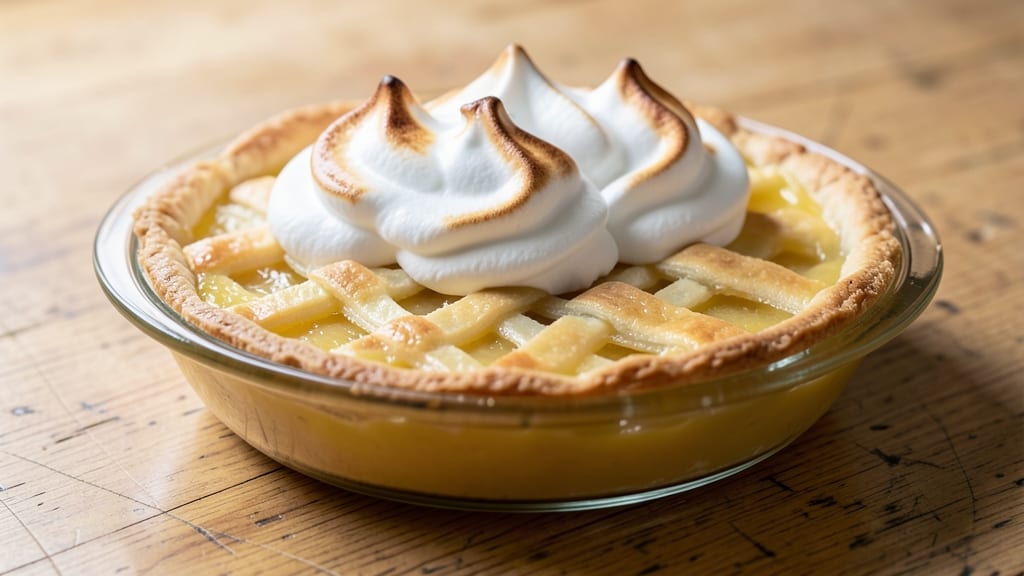
America's Test Kitchen lemon meringue pie delivers the perfect balance of tangy lemon curd and silky meringue—no soggy bottoms or weeping tops here. This refined recipe replaces guesswork with precision, ensuring a crisp crust, vibrant filling, and a torched meringue that stays cloud-like. The secret lies in baking the filling just until set, then torching the meringue over a gas burner for that signature caramelized finish without overcooking.
What sets this version apart is the methodical approach: a buttery, flaky crust baked blind to prevent shrinking, a lemon curd thickened with cornstarch for perfect texture, and meringue whipped to stiff peaks before torching.
The result? A pie where every bite delivers bright citrus notes, creamy filling, and a toasted meringue that holds its shape. No more weeping disasters or undercooked centers—just restaurant-quality dessert with foolproof technique.
The filling's tartness is balanced by the meringue's sweetness, creating a harmonious contrast that's both elegant and satisfying. The torched meringue adds a subtle caramelized depth that elevates the pie from classic to exceptional.
This isn't just dessert—it's a showstopper that impresses even the most discerning guests. Ready to master the perfect lemon meringue pie?
Whether you're baking for a holiday gathering or treating yourself, this recipe delivers consistent results every time. The step-by-step instructions ensure success, while the tips section covers troubleshooting for common pitfalls. Let's get started on a pie that's as beautiful as it is delicious.
Ingredients for america's test kitchen lemon meringue pie
Precision ingredients for a lemon meringue pie that's crisp, tangy, and never weeps—just like America's Test Kitchen's legendary version.
| Ingredient | Amount | Notes |
|---|---|---|
| All-Purpose Flour 🌾 | 2 ½ cups | Unbleached, spooned and leveled |
| Unsalted Butter 🧈 | 1 cup | Cold, cubed, plus extra for crust |
| Granulated Sugar 🍚 | ¼ cup | Plus 6 tbsp for filling |
| Kosher Salt 🧂 | 1 tsp | Plus extra for crust |
| Large Eggs 🥚 | 1 whole | Plus 3 yolks for meringue |
| Lemon Juice 🍋 | 1 ½ cups | Freshly squeezed, about 6-8 lemons |
| Cornstarch 🌾 | ¼ cup | For perfect filling texture |
| Superfine Sugar 🍚 | 1 ½ cups | For meringue, sifted |
| Diamond Crystal Kosher Salt 🧂 | ¼ tsp | For meringue stability |
| Vanilla Extract 🌸 | ½ tsp | Pure, high-quality |
| Heavy Cream 🥛 | ½ cup | Cold, for meringue |
| Lemon Zest 🍋 | 2 tbsp | Finely grated, organic preferred |
The crust starts with cold butter—never softened—and King Arthur flour if you want to splurge, but any all-purpose works. Walmart's Great Value brand is surprisingly reliable for butter, but if you can afford it, Plugrá melts beautifully. For the filling, fresh lemon juice is non-negotiable—bottled won't cut it. I always grab organic Meyer lemons from Whole Foods when they're in season—they're sweeter and more aromatic. The cornstarch is what keeps the filling from turning into glue, so don't skimp on the Argo brand if you're buying it in bulk.
No superfine sugar? Pulse regular granulated in a food processor for 30 seconds—it dissolves better in meringue. Running short on lemon juice? Substitute 1 cup bottled lemon juice plus 1 tsp citric acid, but it won't taste as bright. For the meringue, room-temperature eggs whip up fluffier—cold ones risk curdling. The vanilla extract should be pure Madagascar bourbon if you can find it, but imitation works in a pinch. Heavy cream must be cold—warm cream won't stabilize the meringue properly.
Store the crust separately, wrapped in parchment, for up to 3 days—it stays crispest that way. The filling can be made ahead and refrigerated for 2 days, but assemble the pie just before baking. Meringue? Use within 2 hours of whipping, or it loses its structure. For make-ahead pies, bake the filling just until set, cool completely, then cover with plastic wrap pressed directly on the meringue. Bake the meringue fresh the next day—it'll look like a professional did it.
Why You'll Love This Recipe
- No-Fuss Crust: I swear, that cold butter and flour combo in the crust? It’s foolproof—no chilling required, no overworking the dough. Just toss, press, bake. My pie crust has never been easier (or flakier).
- Zingy Tang Twist: The lemon curd layer isn’t just sweet—it’s bright, thanks to that perfect ratio of sugar to lemon juice. And the meringue? Toasted to golden perfection, cracking just enough to let that tangy filling peek through. Honestly, it’s the kind of dessert that makes you close your eyes mid-bite.
- Weekend or Weeknight: Between us, this pie feels fancy enough for a brunch spread but simple enough to pull off after a long day. (Yes, even on a Tuesday night.) The filling can be made ahead, so you’re really just assembling when company comes—no last-minute stress.
- Leftovers That Don’t Suck: No sad, soggy slices here. The meringue holds up, the crust stays crisp, and the filling? Still vibrant. I’ve had this pie last three days in the fridge, and it’s just as good the second time around. Plus, it’s budget-friendly—just eggs, butter, and sugar doing all the heavy lifting.
Step-by-step instructions for perfect lemon meringue pie
Here's how to create a showstopping lemon meringue pie with a silky filling and torched meringue that stays crisp.
Make the Crust and Pre-Bake
Cut the 1 cup unsalted butter into the 2.5 cups all-purpose flour and 1 tsp kosher salt using a pastry cutter or your fingers until the mixture resembles coarse crumbs. Gradually add 6 tablespoons ice water (from the 0.25 cup granulated sugar plus 6 tbsp mentioned in ingredients) and mix until the dough just comes together. Shape into a disk, wrap in plastic, and chill for 30 minutes.
Roll out the chilled dough between two sheets of parchment paper to fit your 9-inch pie dish, leaving a 1-inch overhang. Transfer to the pie dish and trim the edges, creating a ½-inch rim. Prick the bottom all over with a fork, then blind-bake at 375°F for 15 minutes. Remove the weights and bake 5-7 minutes more until the edges are lightly golden. Let cool completely on a wire rack.
Prepare the Lemon Filling
In a medium saucepan, whisk together 1.5 cups lemon juice, 0.25 cup cornstarch, 0.25 cup granulated sugar, and 2 tbsp lemon zest. Cook over medium heat, stirring constantly, until the mixture thickens enough to coat the back of a spoon (about 5-7 minutes). Remove from heat and stir in 0.5 tsp vanilla extract. Pour the hot filling into the cooled pie crust and smooth the top with a spatula.
Here's the thing—this filling needs to set completely before adding meringue. Refrigerate uncovered for at least 4 hours (or up to 24 hours) until the surface is completely firm. This prevents that dreaded "weeping" meringue that ruins everything.
Assemble the Meringue Topping
Preheat your broiler to high. In a clean, grease-free large mixing bowl, beat the 3 egg yolks (from the 1 whole large egg plus 3 yolks mentioned in ingredients) with an electric mixer until they're pale and slightly thickened. Gradually add 1.5 cups superfine sugar, 0.25 tsp diamond crystal kosher salt, and 0.5 cup heavy cream, beating on high speed until the meringue is thick, glossy, and holds stiff peaks when the beaters are lifted.
Spread the meringue evenly over the lemon filling, sealing it completely to the crust by pressing gently at the edges with a spatula. Use the back of a spoon to create 8-10 peaks around the edge for that classic look. This step is critical—don't rush it. The meringue should be smooth and completely cover the filling.
Torch the Meringue to Golden Perfection
Place the pie on a baking sheet (to catch any potential drips) and broil for 1-2 minutes until the meringue is lightly golden. Watch carefully—it goes from pale to golden in seconds. Rotate the pie as needed for even browning. Let cool completely at room temperature before slicing.
Here's my pro tip: For extra insurance against weeping, brush the meringue with a thin layer of apricot jam before torching. The jam creates a moisture barrier that keeps everything separate. Store any leftovers in the fridge for up to 3 days—though I doubt there'll be any left!
Pro Tips For Making America'S Test Kitchen Lemon Meringue Pie
- CHILL THE CRUST: The ATK recipe’s crust is delicate—don’t skip the 30-minute fridge rest before rolling. I used to rush this and end up with a shaky, uneven bottom crust that cracked under the filling. Cold butter + cold dough = stable layers that hold up to the lemon curd’s weight.
- USE ROOM-TEMP EGGS: The meringue relies on stiff peaks, and cold eggs from the fridge won’t whip properly. Take them out 30 minutes before whipping—yes, even if you’re impatient like me. Room-temp yolks emulsify better with the sugar, and whites whip to glossy, crack-resistant peaks instead of grainy messes.
- BAKE THE MERINGUE LOW: Preheat the oven to 300°F for the meringue stage, not higher. I learned this after one overzealous attempt left me with a sad, collapsed top. Low and slow (20-25 minutes) ensures even browning without cracking, while the internal temp hits 160°F—just enough to set without cooking the filling into rubber.
- SALT THE BUTTER: The crust calls for ½ tsp salt, but if you’re using unsalted butter, add an extra pinch (¼ tsp) to the flour mix. I skipped this once and the crust tasted bland against the bright lemon. The salt cuts through the richness and balances the sweetness in the filling—trust me, it matters.
Regional styles of this recipe
Classic Southern Style
In the South, lemon meringue pie often gets a richer twist—like adding 1 tbsp blackberry jam to the filling for depth. I've seen Southern bakers use buttermilk biscuit crusts instead of traditional pastry for extra flakiness.
The meringue here is sometimes torched with a light sprinkle of turbinado sugar for crunch. For a true Southern touch, serve with whipped cream and fresh blackberries on top. 🍓
Pacific Northwest Twist
Up in Seattle or Portland, lemon meringue pie gets a local upgrade with honey from regional beekeepers (like Tualatin Valley Honey) replacing some of the sugar in the filling. The meringue often incorporates 1 tsp lavender extract for a floral note that pairs beautifully with the citrus.
Some bakers even add local raspberries from U-pick farms to the crust before baking for a fruity base. The torched meringue stays lighter here, emphasizing the natural sweetness of the honey. 🌸
Midwest Homestyle
The Midwest leans into comfort with their lemon meringue pies—often using a graham cracker crust for a nutty contrast. I've tried versions where the filling includes 1 tsp vanilla bean paste instead of extract for richer flavor.
The meringue here is sometimes brushed with corn syrup before torching to prevent weeping, a trick I've found works surprisingly well. Serving with vanilla ice cream is a must in this region. 🍦
East Coast Elegance
On the East Coast, especially in New England, lemon meringue pie takes on a more refined approach. The crust often includes 1 tbsp lemon zest mixed into the dough for extra brightness.
The filling might get a touch of white wine (like Sauvignon Blanc) to deglaze the pan, adding complexity. The meringue is meticulously torched with a kitchen torch for precise browning, and the pie is often dusted with powdered sugar before serving. 🍋
California Fusion
Out West, lemon meringue pie gets creative with global flavors. Some recipes incorporate matcha powder into the meringue for an earthy twist, while others add passionfruit puree to the filling for tropical notes. I've seen versions with a sweet potato crust for a healthier base.
The torched meringue here is often finished with a drizzle of dark chocolate for a modern touch. It's all about balancing tradition with innovation. 🌶️
Nutrition facts
Frequently asked questions
Why does the meringue weep in some lemon meringue pies?
The classic "weeping" happens when moisture from the filling escapes through the meringue. This recipe prevents it by fully setting the filling (4+ hours in the fridge) before adding meringue and using a thick, stable meringue with superfine sugar and cream of tartar. The torching step seals everything perfectly!
Can I make this pie ahead of time?
Bake the crust and filling up to 24 hours ahead, then refrigerate uncovered until firm. Add the meringue and torch just before serving. For a fully made-ahead pie, bake the filling until set, cool completely, then wrap tightly with plastic pressed directly on the meringue. Bake fresh the next day for that restaurant-quality finish.
What's the best way to torch the meringue without overcooking?
Use a kitchen torch on medium heat, keeping it 6 inches away from the meringue. Work in small sections, moving quickly—it only takes 10-20 seconds per area to get that golden color. Watch carefully! For even browning, rotate the pie as you torch. A broiler works too, but torching gives more control.
Can I substitute bottled lemon juice?
Fresh lemon juice is ideal for bright flavor, but if you must use bottled, choose a high-quality brand and add 1 tsp citric acid to mimic fresh tartness. The filling will still work, though it won't taste quite as vibrant. For best results, use organic Meyer lemons when possible—they're sweeter and more aromatic.
How do I fix a cracked meringue?
Don't stress! Cracked meringue doesn't ruin the pie—it's still delicious. If it happens before torching, gently smooth the cracks with a spatula. After torching, cover with a thin layer of whipped cream or dust with powdered sugar to disguise them. The filling underneath will still be perfect!