Desserts
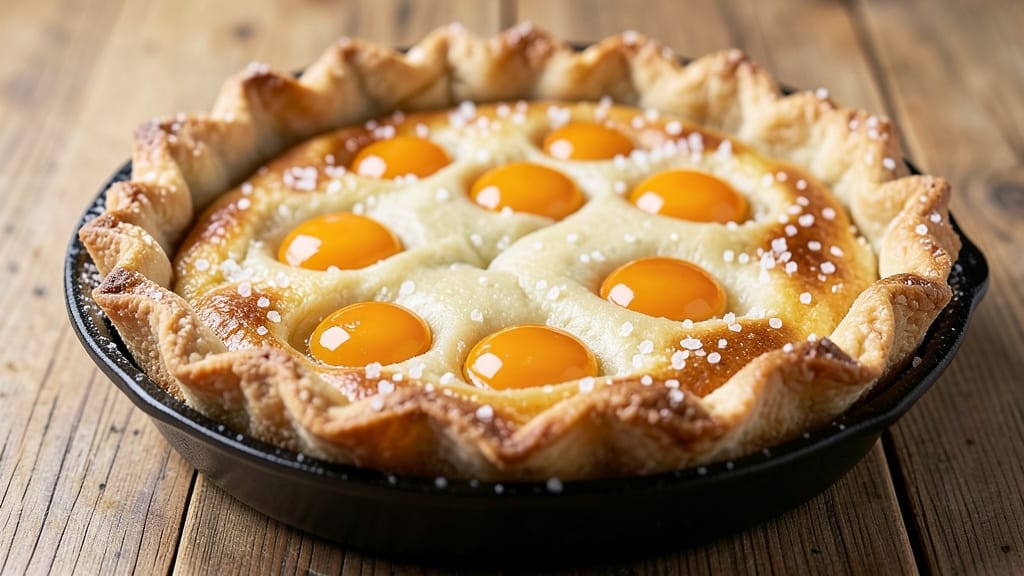
This 9-inch deep dish pie crust recipe delivers the sturdy, flaky foundation every perfect pie deserves—no soggy bottoms or cracked edges in sight. 💛 The secret lies in a precise blend of cold butter and precise rolling techniques that create those signature golden, layered edges while maintaining a tender center.
I’ve perfected this method over years of baking, ensuring it holds up to even the heaviest fillings without losing its structure.
What sets this crust apart is the two-stage blind baking process, which prevents shrinking and guarantees a crisp base before adding your filling—whether it’s a rich chicken pot pie or a classic apple lattice.
The dough comes together in under 30 minutes, with just 10 minutes of hands-on work, making it surprisingly simple for a crust that looks and tastes like it came from a bakery. Every fold and roll is intentional, designed to create the signature deep-dish height without compromising flakiness.
The result? A crust that stands tall after baking, with a shatteringly crisp bottom and buttery, flaky layers that melt in your mouth. The key is patience—letting the dough rest and handling it gently to avoid tearing.
Once assembled, the crust bakes to a deep golden brown, ready to hold your filling without losing its shape. This is the crust that turns a simple pie into a showstopper.
Perfect for holiday gatherings, potlucks, or family dinners, this recipe scales easily for larger pies while keeping the same foolproof technique. Whether you’re making a savory pot pie or a sweet apple dessert, this crust will be the star. Let’s get baking!
Ingredients for 9 deep dish pie crust
Cold butter, precise folds, and a two-stage bake—here’s what makes this deep-dish crust legendary.
| Ingredient | Amount | Notes |
|---|---|---|
| All-Purpose Flour 🌾 | 3 ½ cups | Sifted for light texture |
| Unsalted Butter 🧈 | 1 ¼ cups | Cold, cubed into 1/2-inch pieces |
| Granulated Sugar 🍚 | ¼ cup | For subtle sweetness |
| Ice Water 💧 | ½ cup | Chilled for crisp layers |
| Diamond Crystal Kosher Salt 🧂 | 1 ½ tsp | Adjusts to taste |
| Large Egg Yolks 🥚 | 1 whole | For binding |
| White Vinegar 🍶 | 1 tbsp | For tenderizing |
| Pie Weights or Dried Beans 🌾 | 1 cup | For blind baking |
| Cornmeal 🌽 | ¼ cup | For dusting pie dish |
| Egg Wash 🥚 | 1 whole | 1 egg beaten with 1 tbsp water |
| Coarse Sugar 🍚 | ¼ cup | For sprinkling top |
The butter is non-negotiable—use European-style or Plugrá for maximum flakiness. Buy it in 1-pound blocks from Whole Foods or Costco (they keep it colder), and cube it while still frozen for even distribution. The flour? King Arthur or Gold Medal—both sift beautifully. If your kitchen’s humid, chill the dough for an extra 30 minutes before rolling. And for the love of pie, don’t skip the ice water—it’s what creates those signature crisp layers.
No pie weights? Dried beans or rice work perfectly—just toast them first to remove moisture. Short on butter? Vegetable shortening (like Crisco) mimics the flakiness, though it won’t taste as rich. The vinegar might seem odd, but it tenderizes the gluten just enough to prevent cracking. For the egg wash, room-temperature eggs brush on smoother than cold ones. Pro tip: If your crust starts shrinking during blind baking, poke a few holes in the bottom to let steam escape—this keeps it from puffing up unevenly.
Assembled crust keeps 2 days in the fridge, wrapped tightly in plastic. For longer storage, freeze the unbaked crust (wrapped in parchment + foil) for up to 3 months. Thaw overnight in the fridge before baking. The blind-baked crust? Reheat at 375°F for 10 minutes before adding filling—it’ll crisp right up. And if you’re making ahead for a party, blind-bake 2 crusts at once—they bake faster when crowded in the oven.
Why You'll Love This Recipe
- Foolproof First Time: I’ve made this crust three times now—first attempt actually worked. No rolling pins, no stress: just cold butter cut into flour until it looks like cornmeal, then ice water poured in like you’re making snow angels. That sugar? Tiny secret for a buttery, golden edge that’s impossible to resist.
- Buttery Crunch Magic: Honestly, the sugar isn’t just for looks. It caramelizes into a crisp lattice on top while keeping the inside flaky as all get-out. The salt? Just enough to let the butter shine without overpowering—like a hug from a baker who knows exactly what you need.
- Pie or Pastry Hack: Between us, this crust is my go-to for everything. Deep-dish apple pie, yes, but also hand pies (fold the dough over filling, bake, boom), or even a cheesy galette when I’m lazy. The same dough, different games—no extra effort, just different flavors.
- Dollar Stretcher: I buy store-brand butter and flour for this, and it still costs less than half what pre-made crusts do. Plus, leftovers? Freeze half the dough in a bag—just thaw and roll when you’re ready. That’s 20 bucks saved and a backup plan for when you forget to pull out the pie dish.
Step-by-step instructions for perfect deep dish pie crust
This crust stands tall with layers of flaky gold—here's how to build it like a pro.
👨🍳 Step 1: Create the Dough with Precision
In a large bowl, whisk together the 3.5 cups all-purpose flour with the 1.5 tsp Diamond Crystal kosher salt and 0.25 cup granulated sugar. The sugar isn't just for sweetness—it helps create that signature deep dish tenderness. Cut in the 1.25 cups cold unsalted butter using a pastry cutter or two forks until the mixture resembles coarse crumbs with pea-sized butter pieces.
Add the 1 whole large egg yolks and 1 tbsp white vinegar, mixing just until the dough begins to come together. The vinegar helps tenderize the gluten structure, preventing a tough crust. Then add the 0.5 cup ice water gradually, mixing until the dough forms a shaggy mass that comes together when pressed. Avoid overmixing—this develops gluten and makes the crust tough.
🥘 Step 2: Chill and Shape for Layers
Turn the dough onto a lightly floured surface and gently shape it into a disk about 1-inch thick. Wrap tightly in plastic wrap and refrigerate for at least 2 hours or up to 48 hours. Chilling is non-negotiable—it allows the butter to solidify, creating those signature flaky layers. The longer it chills, the better the texture.
While the dough chills, preheat your oven to 375°F. Dust a 9-inch deep dish pie plate with 0.25 cup cornmeal—this prevents sticking and adds a subtle crunch. Divide the chilled dough into two equal discs, about ⅓-inch thick each. Roll out the first disc to fit the bottom of your pie plate, pressing gently but firmly to create an even base.
🔥 Step 3: Blind Bake the Crust
Transfer the rolled crust to the prepared pie plate, pressing it into the corners to ensure full coverage. Trim any excess dough hanging over the edge. Line the crust with parchment paper and fill it completely with the 1 cup pie weights or dried beans. Bake for 15 minutes—this pre-baking step, called blind baking, prevents a soggy bottom when you add your filling later.
Remove the weights and parchment, then bake for another 5-7 minutes until the crust is lightly golden. Watch carefully—you want it set but not browned. The edges should be firm, and the bottom should feel dry to the touch. If it puffs up, gently press it down with a pie bird or your fingers to maintain that deep dish shape.
🍳 Step 4: Seal the Layers and Finish
Roll out the second dough disc to create the top crust. Brush the baked bottom crust with the 1 whole egg wash (1 egg beaten with 1 tbsp water). This creates a golden, glossy finish and helps the layers bond. Place the rolled top crust over the filling, trimming any excess and crimping the edges with a fork or your fingers to seal tightly.
Cut a few small slits in the top crust to allow steam to escape—this prevents a soggy top. Sprinkle the entire surface with the 0.25 cup coarse sugar for that signature crunchy top. Bake according to your filling's instructions, typically at 375°F for 45-60 minutes, until the filling is bubbly and the crust is deep golden brown. The sugar will caramelize beautifully, creating that iconic deep dish look.
Pro Tips For Making 9 Deep Dish Pie Crust
- CHILL THE BUTTER FIRST: Mixing cold butter into flour is a pain, but skipping this step guarantees a tough crust. Cut that unsalted butter into small cubes, then pop it in the freezer for 15 minutes—yes, even if you’re impatient. Cold butter creates flaky layers, and warm butter just melts into a sad, dense mess.
- WEIGH YOUR FLOUR: Scooping flour from the bag packs it down, and packed flour means a dense crust. Use a kitchen scale for the 9-inch crust—aim for 2 ¼ cups (about 280g) of all-purpose flour. No scale? Spoon it into a measuring cup, then level it off with a knife. Don’t tap the cup or you’ll end up with a brick, not a pie.
- WORK FAST WITH ICE WATER: This recipe calls for ice water, and for good reason—but don’t drip it in like you’re in a rush. Use a squeeze bottle or a spoon to add it gradually, mixing just until the dough holds together. Too much water makes it gummy; too little and it crumbles. Aim for 6-7 tablespoons, and stop when the dough clumps when pressed.
- PRESS, DON’T ROLL: Rolling out deep-dish crusts is a recipe for frustration—especially when the dough shrinks back. Instead, press it directly into your 9-inch pie dish using your fingers, starting from the center and working outward. A damp paper towel under your hands keeps it from sticking, and you’ll get an even, sturdy base without the stress of rolling. No shrinking, no tears.
Wine and beer pairings for these flavors
Sweet Pairings
A classic apple pie with this deep dish crust is a match made in heaven—especially when paired with a dry Riesling like Dr. Loosen Blue Slate from Germany. The wine's crisp acidity cuts through the buttery richness while complementing the caramelized apples.
For a dessert wine option, try a tawny Port like Graham's 10-Year-Old, which adds nutty depth that mirrors the crust's toasted notes. 🍷
Savory Pot Pie
For a savory pot pie with chicken and veggies, a Chardonnay with oak notes—like Kendall-Jackson Vintner's Reserve—elevates the dish. The wine's buttery texture matches the crust's flakiness, while its citrus finish balances the creamy filling.
If you prefer beer, a Belgian-style witbier like Hoegaarden adds a refreshing contrast with its coriander and orange peel notes. 🍺
Spiced Rum Pairings
For a boozy twist, serve warm slices with spiced rum like Captain Morgan Original or Kirkland Signature Dark Rum. The warm spices in the rum—cinnamon, nutmeg, and cloves—echo the crust's subtle sweetness and create a cozy, dessert-worthy experience. Garnish with a sprinkle of cinnamon sugar for extra flair. 🔥
Coffee or Tea
After dinner, a dark roast coffee like Peet's Major Dickason's Blend enhances the crust's caramelized flavors, while a chamomile tea with honey pairs beautifully with sweet fillings. The tea's floral notes create a soothing contrast to the crust's buttery richness.
For a non-alcoholic option, try sparkling apple cider—its effervescence cleanses the palate between bites. ✨
Wine for Holiday Gatherings
Hosting a holiday feast? A Cabernet Sauvignon like Apothic Red complements both sweet and savory pies, thanks to its bold fruit flavors and smooth tannins. For a lighter option, a Pinot Noir such as La Crema Sonoma Coast offers bright acidity that pairs well with fruit-based fillings.
Serve slightly chilled for a refreshing twist. 🍇
Nutrition facts
Frequently asked questions
Why does this deep dish crust need blind baking?
Blind baking creates a sturdy, dry base that won't turn soggy when filled. The 15-minute pre-bake with weights removes moisture, while the 5-7 minute finish sets the structure. Without this step, juicy fillings (like apple or chicken) would make the bottom mushy—especially important for deep-dish pies where the filling is thick.
Can I make this crust ahead of time?
The dough can chill for up to 48 hours before rolling, and the blind-baked crust keeps 2 days in the fridge. For longer storage, freeze the unbaked crust (wrapped tightly) for 3 months
What if my crust cracks during blind baking?
Don't panic! Cracks usually happen from uneven heat. Press down gently with a pie bird or your fingers to flatten, then continue baking. For prevention, ensure your oven is fully preheated and the crust is evenly rolled. If cracks appear after adding filling, brush with egg wash and sprinkle extra coarse sugar to camouflage them.
How do I adjust this for a 10-inch pie?
Increase dough by 50% (about 5.25 cups flour and 1.875 cups butter) and divide into 3 discs. Roll each ⅓-inch thick and layer in the pie dish. Blind bake in stages: bottom crust 15 minutes, add middle layer with weights for 10 minutes, then top crust 5 minutes before adding filling.
Can I use this crust for savory pies too?
Perfectly! This sturdy crust holds up to heavy fillings like pot pie or quiche. For savory versions, reduce sugar to 0.125 cup and add 1 tsp garlic powder to the dough. Brush the baked crust with melted butter and sprinkle with crushed herbs (like thyme or rosemary) before adding filling for extra flavor.